A familiar face in late‑night TV found himself in a hospital bed, reaching out to the millions who follow his career and life, and the industry is watching as a public figure confronts a chronic illness in the open.
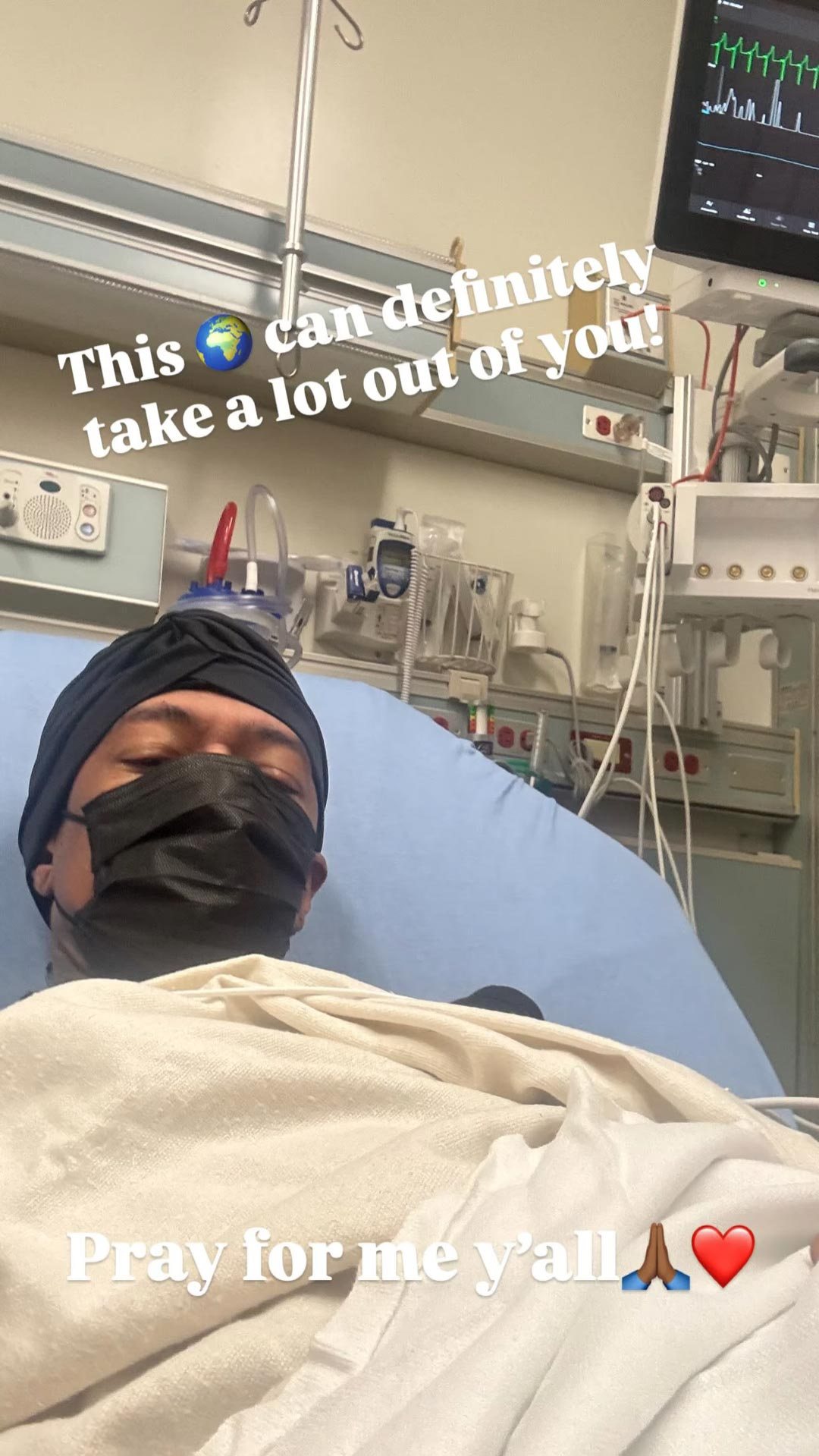
Nick Cannon, the former host of America’s Got Talent and current star of Masked Singer, turned his Instagram feed into a confessional. On Friday, November 20, the 46‑year‑old posted a stark selfie from a hospital room—mask on, blankets wrapped around his shoulders—together with a simple plea: “Pray for me y’all.” The post, tagged #LupusWarrior, struck a chord, reminding everyone that even high‑profile personalities are not immune to the unseen battles that linger behind the curtain of celebrity life. The reaction was swift: comments poured in, ranging from “Praying for a speedy recovery, Nick” to “Get well soon, brotha love yah bro peace.” What began as a private struggle now resonates as a broader conversation about health, resilience, and the power of community in an age where a single image can galvanize millions.
In the entertainment world, this episode highlights how public figures are redefining vulnerability. A career built on humor, music, and improvisation is now interlaced with a very real medical narrative, showing fans and colleagues alike that wellness is a continuous, shared journey. When a personality of Cannon’s stature shares a hospital snapshot, the ripple effects extend beyond fans; producers, showrunners, and networks are reminded that the human element—fatigue, disease, and recovery—is an integral part of the creative process. As more artists speak openly about conditions like lupus, mental illness, or chronic pain, the industry faces a shift: the line between personal and professional is not a boundary but a bridge that connects audiences to authentic stories of perseverance.
Background & Context
Lupus is an autoimmune disorder that can attack the body’s own tissues, leading to inflammation in organs such as the kidneys, lungs, heart, skin, and joints. It demands constant vigilance and medical oversight, traits that Cannon has been navigating for over a decade. He first revealed his diagnosis in January 2012 after a series of alarming health events, including kidney failure and blood clots in his lungs. The diagnosis forced him to reconsider the fast‑paced life he had built around late‑night shows, touring, and producing. Since then, Cannon has made his journey a part of his public persona, openly discussing how the disease has reshaped his priorities.
In a September interview, Cannon reflected on how the diagnosis “felt so life‑altering,” but eventually became an integral part of his identity: “Now it becomes like, ‘So what?’ It’s a part of my life. It keeps me in check.” He highlighted the disciplined routine he follows—eating correctly, resting, and exercising twice a day—to manage his condition. “It was a blessing in disguise,” he told the reporter, noting that not everyone has the discipline to wake at four in the morning for a workout. This candidness not only demystifies lupus but also gives fans a glimpse into the daily resilience required to live with an invisible illness.
The timing of Cannon’s hospitalization aligns with the broader trend of celebrities sharing health updates in real time, leveraging social media to cultivate a sense of solidarity. By posting a raw, unfiltered image from a hospital room, Cannon breaks the protective veneer that often surrounds public figures. The authenticity of his appeal—combining a simple message with a personal photograph—creates an immediate connection, turning his private crisis into a shared communal experience. The entertainment industry, accustomed to polished narratives, now faces a new reality: that vulnerability can be a powerful, if unanticipated, form of storytelling.
What People Are Saying
The comments that flooded Cannon’s post were immediate and heartfelt. Fans took to the thread with prayers, well‑wishes, and an outpouring of support that echoed his own call for prayer. “Praying For Your Speedy Recovery Nick,” one comment read, while another offered a more personal message: “Get well soon my brotha love yah bro peace.” A third wrote, “You got this champ,” and another added, “I love you, Nick. Jesus loves you more… Keep fighting.” The range of responses—from casual encouragement to deeply personal affirmations—illustrates how a single post can unite a global audience around a common cause.
The hashtags and emojis further amplified the communal tone. #LupusWarrior, the praying hands, and a heart emoji combined with Donny Hathaway’s “A Song for You” in the background, set a tone of reverence and solidarity. By choosing these symbols, Cannon not only framed his request for prayers but also positioned his struggle within a larger narrative of perseverance. The music choice added an emotional depth, inviting fans to reflect on the bittersweet harmony between suffering and hope.
Social media turned Cannon’s appeal into a ripple effect. Fans who otherwise might not engage with his content found themselves commenting and sharing, creating a micro‑community that extended beyond his usual audience. The phenomenon underscores a broader cultural shift: audiences now seek and value authenticity from the celebrities they follow, and when that authenticity includes health challenges, it can inspire both empathy and action.
What Happens Next
While Cannon has not disclosed the exact reason for his hospital stay, the post hints at the need for urgent medical evaluation. The accompanying Instagram Story suggested a CT scan might be necessary, a common procedure when lupus complications arise. Whether the scan will reveal organ inflammation, blood clotting, or another issue remains to be confirmed, but the implication is clear: this is a serious medical episode that could shape his treatment plan moving forward.
In the days ahead, Cannon will likely be monitored closely for signs of organ stress—a frequent concern for people with lupus. Doctors typically recommend regular imaging and blood work to track kidney function, lung capacity, and cardiovascular health. The intensity of his condition will dictate whether he continues his current rigorous routine or requires a more conservative approach. Regardless, his public request for prayers signals an openness to the emotional support he believes is as vital as the physical care he receives.
Beyond the immediate medical context, the incident invites industry stakeholders to reconsider how health crises are managed on set and during production. Directors and producers might revisit safety protocols, scheduling flexibility, and access to healthcare resources for talent. If Cannon’s experience proves to be a catalyst, it could lead to more robust support systems for artists dealing with chronic illnesses, ensuring they can continue to create while prioritizing their well‑being.
In the weeks that follow, the community that rallied around Cannon will likely continue to offer encouragement, whether through social media updates, prayer groups, or philanthropic efforts. As he navigates his recovery, fans will watch with hope, holding onto the knowledge that, like the world that sent their prayers, Cannon’s journey is shared—and shared health becomes a powerful testament to resilience.
The episode is a reminder that behind the lights, laughter, and applause, every star carries a story of vulnerability. When those stories surface, they bring the industry—and its audience—together, fostering a culture where health is honored as the most genuine form of art.
The Bottom Line
MyWorldPulse views Nick Cannon’s hospital selfie as a courageous act that redefines celebrity vulnerability in the digital age. By publicly confronting lupus—an invisible, chronic illness—Cannon invites his audience into a space of empathy, solidarity, and education. This transparency is not merely a personal confession; it is a clarion call for the entertainment industry to embed robust health and wellness protocols within its operational framework. We believe that the responsibility of networks, producers, and showrunners extends beyond profit margins to safeguarding the well‑being of their talent. When stars speak openly about their medical journeys, they demystify disease, reduce stigma, and inspire fans to advocate for better healthcare access. MyWorldPulse stands with artists who prioritize authenticity over polish, encouraging a cultural shift where health is honored as an integral facet of artistry. This is the new narrative we champion—a narrative that affirms the power of shared human experience and paves the way for healthier, more resilient creative communities.
Reference:
- Official post on the person's verified social media account
Read more celebrity news at MyWorldPulse.