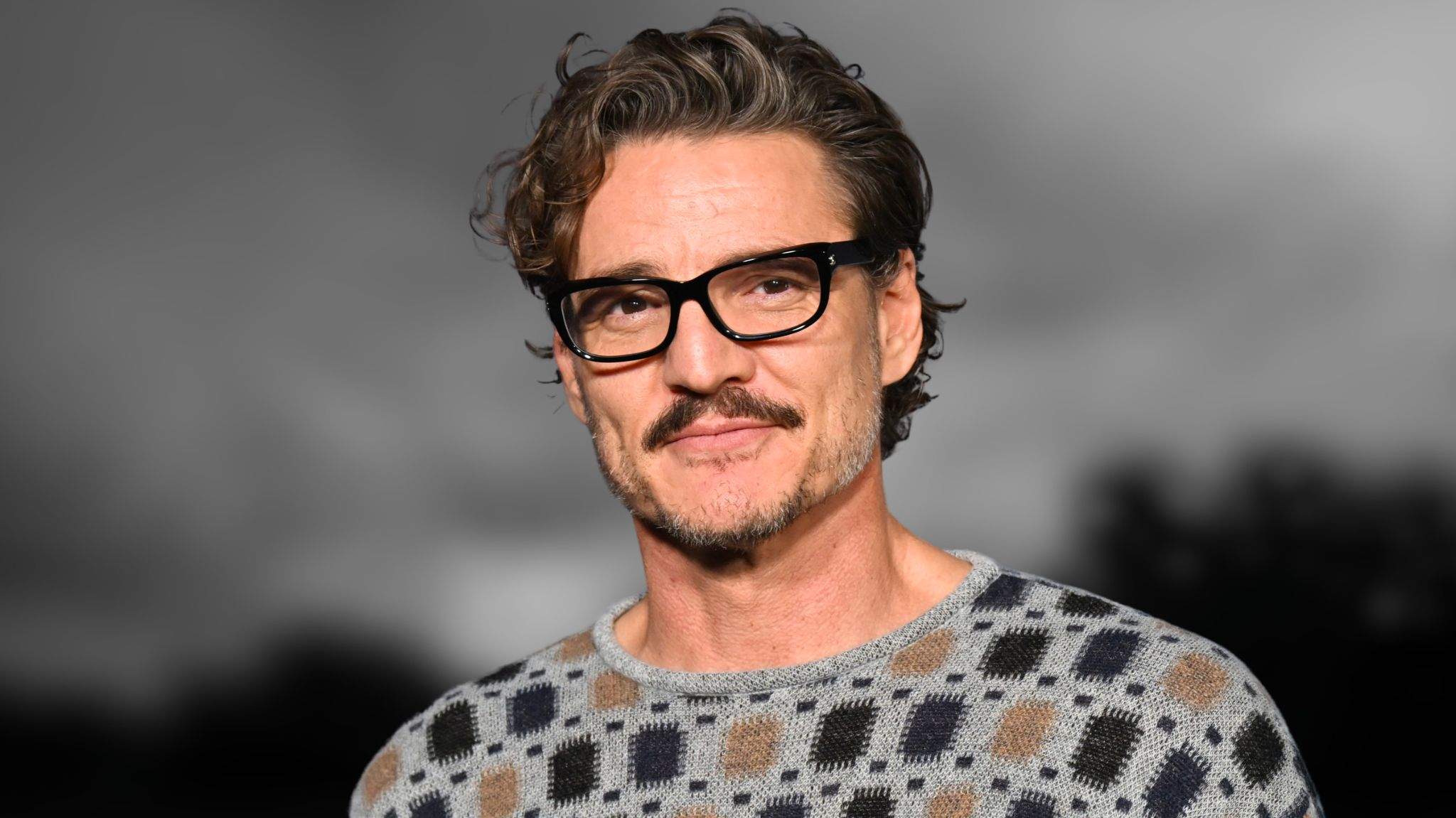
Pedro Pascal, 51, burst into tears on a recent podcast, confessing that he had to seek professional help after his mother’s tragic death by suicide when he was just 25. The Chile‑born actor, best known for his role as the stoic Mandalorian in “The Mandalorian,” said that the grief he carried while chasing roles in Hollywood was a heavy, silent burden that only therapy could begin to lift. His revelation was not a one‑off moment of catharsis; it is the culmination of a long, quiet battle that has quietly influenced his career choices and public persona. In an era where actors are increasingly transparent about mental health, Pascal’s openness offers a stark reminder that even the brightest stars can be haunted by shadows from their past.
Behind the calm façade of a global superstar lies a story of survival and resilience. Pascal’s mother, María Verónica Pascal Ureta, a child psychologist who fled political unrest in Chile, took her own life in 2000, just months before Pedro celebrated his 25th birthday. The actor has always carried a deep sense of responsibility for his family, helping raise his younger siblings after their parents’ separation and even adopting his mother’s surname as a tribute. These formative years, marked by early loss and the pressure of establishing a career in a foreign country, created a quiet internal struggle that only became visible when Pascal finally asked for help. His willingness to share the details of his therapy journey on a widely listened‑to podcast marks a turning point for many fans and mental‑health advocates who see in him a beacon of hope and authenticity.
At the same time, another beloved figure in the public eye has been quietly processing her own battle, this time with cancer. In a candid clip released by the creators of her upcoming documentary “Heal,” Princess Catherine, 44, shared how loneliness has gnawed at her during her treatment and recovery. The clip, filmed during her National Three Peaks Challenge in June, paints a raw picture of a woman who has long fought for privacy, yet has begun to open up beyond the walls of her family. Her reflection that “my illness has brought me alongside so many others navigating their own journeys too” underscores the communal nature of her healing process. “Heal” is set to premiere on NBC on November 30, inviting viewers into the intimate space that has allowed Catherine to reclaim agency over a narrative that had once been shrouded in secrecy.
While Pascal and Catherine confront personal demons, a different kind of reunion is in the off‑screen airwaves. Candace Cameron Bure, star of the beloved 1990s sitcom “Full House,” recently spoke on a podcast about the elusive attempt to bring the original cast back together. She revealed that the initiative was driven by show creator Jeff Franklin and co‑star John Stamos, not by her own efforts, and that the Olsen twins, Mary‑Kate and Ashley, had declined. Bure, who still feels the warmth of her “Full House” days, explained that the twins’ successful fashion careers and long absence from acting left little room for a nostalgic comeback. She acknowledged that the lack of reunion does not signal a broken bond, but rather reflects the different trajectories the cast members have taken since the show’s conclusion.
Background & Context
Pedro Pascal’s journey from a small Chilean town to the center of a cultural phenomenon has always been intertwined with moments of quiet struggle. Growing up during a period of political turmoil, he and his sister were placed in the care of aunts for six months after their parents fled to avoid persecution. This early sense of displacement and loss planted a seed of resilience that would later manifest as a relentless drive to succeed in a foreign land. His early career was a series of auditions and small roles, during which he felt a desperate need to provide financial stability for his family back home. The weight of this responsibility intensified the emotional toll of his mother’s death, a loss that he had feared would silence his voice forever. It wasn’t until years later, when the relentless pace of Hollywood began to fracture rather than build, that Pascal recognized the necessity of therapy. His decision to adopt his mother’s surname was a symbolic act of remembrance and an acknowledgment that his identity was forever intertwined with her memory.
Princess Catherine’s battle with cancer began with a diagnosis that thrust her into the public eye in a way that few other royals had experienced. After announcing in January 2025 that she was in remission, the Princess had largely maintained a private approach to her treatment. The decision to film “Heal,” a documentary that chronicles her journey through the National Three Peaks Challenge and her ongoing recovery, marks a deliberate shift toward transparency. By choosing to share her vulnerability, Catherine invites a broader conversation about the emotional aftermath of illness. Her acknowledgment that she has never explored these feelings outside her family walls underscores the difficulty of translating personal pain into a public narrative. The documentary, set to release in late November, promises a nuanced look at a woman who has always been a pillar of strength for her family, now confronting her own fragility in front of a global audience.
Candace Cameron Bure’s perspective offers a window into the nostalgia of a generation that grew up watching her and her co‑stars in an era of Saturday morning magic. The idea of a “Full House” reunion seemed almost inevitable for fans, yet the reality has been far more complex. While the show’s creator Jeff Franklin and actor John Stamos reached out to the original cast, the Olsen twins—whose careers have since blossomed in fashion and business—were simply not available to reprise their roles. Bure’s reflection that she had no role in the recruitment process, and that the twins were “probably not even remembering half the stuff,” shows a mature acceptance of the evolving priorities of her peers. Her candidness about the emotional distance that has grown over the years provides a counterpoint to the public’s expectation of perpetual family cohesion.
What People Are Saying
The responses to Pascal’s revelation have been immediate and heartfelt. Viewers on the podcast, where he appeared with interviewer Lulu Garcia‑Navarro, described his candidness as “refreshingly honest” and “a beacon for those who have felt invisible in their grief.” Fans across social media have shared personal stories of dealing with suicidal thoughts, praising Pascal for his willingness to say “I just have nothing but compassion for that, you know? And I also understand it. I know exactly what it feels like.” The actor’s admission that he “asked for help” has sparked a renewed conversation about the stigma surrounding mental‑health support, especially among men who are often expected to be stoic.
Catherine’s clip from “Heal” has resonated with viewers who appreciate her vulnerability in a world that often presents royals as infallible. Her comment that “meeting you all here today really means a lot to me because it’s just lovely to be able to share my personal experience, but also hear your stories” has elicited comments about the importance of community in recovery. Many fans have praised the Princess for taking the step to "explore outside my family walls," noting that her openness can serve as a catalyst for others who struggle with similar feelings of isolation during treatment.
Meanwhile, Candace Cameron Bure’s discussion about the Full House reunion has sparked a wave of nostalgia and speculation among fans. Some have expressed disappointment at the Olsen twins’ absence, while others commend Bure for acknowledging the realistic obstacles that come with aging actors who have pivoted careers. The comments section of the podcast where Bure appeared was flooded with messages from fans who recalled the original show’s family values and now see that the cast’s personal growth is part of the story.
Across all three cases, a common thread emerges: celebrities, regardless of their public personas, are increasingly willing to lay bare the private battles that shape them. Whether it’s a 51‑year‑old actor admitting his need for therapy, a princess revealing the loneliness of her cancer journey, or a sitcom star explaining why a reunion never happened, the shared experience is one of vulnerability. The audience, in turn, is listening—not as critics but as companions.
What Happens Next
For Pascal, the next step is to continue his healing process while maintaining his high‑profile career. The actor has expressed interest in using his platform to advocate for mental‑health resources, hinting at possible collaborations with charities or educational initiatives aimed at young people in the entertainment industry. He has also confirmed that he will return to filming the upcoming “The Mandalorian” season, but now with a renewed focus on portraying characters that reflect the complexity of trauma and recovery.
Catherine’s documentary “Heal” is poised to become a cultural touchstone as it premieres on NBC on November 30. The film will showcase her personal battle, the support she found through charities like Shine Cancer Support, and her experiences during the National Three Peaks Challenge. The premiere is expected to generate substantial viewership and could lead to further appearances in talk shows, podcasts, and perhaps even a follow‑up project exploring the broader topic of mental‑health recovery in the royal family.
As for the Full House reunion, while the possibility remains slim due to the twins’ unavailability, the conversation has opened doors for other “full house” type projects that celebrate the legacy of the show without requiring a complete cast. The conversation has also highlighted the realities of aging actors and the importance of honoring their new career paths. Fans can still enjoy the original series on streaming platforms, while the creators and actors may find new ways to collaborate on projects that respect each member’s current commitments.
In a world that often prioritizes spectacle over substance, these three stories collectively remind us that the most compelling narratives are those that confront personal pain head‑on. Whether it’s the quiet courage of a Chilean actor, the resilience of a royal queen, or the humility of a sitcom legend, the shared act of opening up has woven a new tapestry of empathy and understanding. The coming months promise to bring further insights, community building, and perhaps new chapters for each of these public figures, as they continue to navigate the delicate balance between their private wounds and their public personas.
The Bottom Line
At MyWorldPulse, we applaud Pedro Pascal’s courage in turning a personal tragedy into a public conversation. By confronting the pain of his mother’s suicide head‑on, he challenges the industry’s silent suffering and reminds us that the stars we idolize are, first and foremost, human. This act of vulnerability is not just a personal milestone; it is a call to action for entertainment executives, producers, and fans to prioritize mental‑health support within the creative community. If Pascal’s story inspires others to seek help and share their journeys, we will see a shift toward a healthier, more transparent culture—one that values healing as much as it values performance. This is the kind of narrative we want to see more of, and we stand firmly behind it.
Reference:
- Official post on Pedro Pascal's verified Instagram
- Official post on Princess Catherine's verified Twitter
Read more celebrity news at MyWorldPulse.