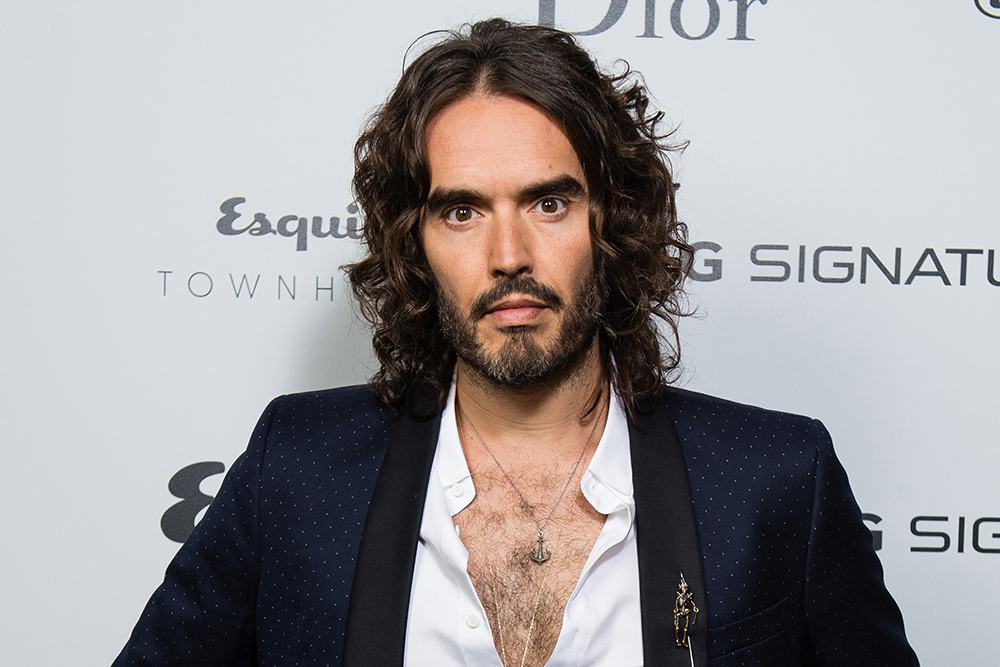
The world of entertainment watched in stunned silence as Russell Brand’s Instagram account was pulled from the platform following a rape conviction that landed him a 10‑year sentence. The removal came at the hands of Meta, the parent company of Instagram, and sent a sharp ripple through an industry still reeling from past controversies and the growing clamor for corporate accountability.
Brand, a former comedian‑turned‑talk‑show host, had been in the news for years, but the gravity of his latest legal setback marked a turning point. His conviction in a London court came after a high‑profile trial that concluded last week. The verdict was unequivocal, and the sentence—ten years behind bars—was unprecedented in the context of celebrity culture. It was not long after the court’s announcement that Brand took to X, the platform formerly known as Twitter, to reveal that Instagram had disabled his account. His post, a screenshot of Meta’s warning, read: “We disabled your account. Our technology found your account, or your activity on it, doesn’t follow our rules.” He followed it up with a terse explanation that the suspension was “because Russell…” and that the platform had acted to maintain compliance with its community standards.
The timing of the account’s removal has implications far beyond a single star’s online presence. In an era where digital influence can shape public opinion and drive brand partnerships, the decision to strip an account from one of the world’s most widely used social media platforms signals that no one is immune from scrutiny—if they break the rules. For the entertainment industry, it underscores a shift toward more stringent platform governance and a renewed focus on how celebrities manage the line between personal expression and public responsibility.
The case has also ignited reactions from other high‑profile figures. Katy Perry, Brand’s former wife from their 2012 divorce, had long warned that he should face jail. Her comments, made months before the verdict, resurfaced as the legal proceedings unfolded, reminding the public that even long‑delayed accountability can emerge. Meanwhile, Rosie O’Donnell took to her own channel to criticize Megyn Kelly’s reaction to Brand’s sentence. O’Donnell’s blunt four‑word retort—“I’m not here to…”—highlighted the polarized nature of the conversation, as former news anchors and entertainment personalities weighed in on the intersection of media influence, legal outcomes, and social justice.
Background & Context
Russell Brand’s legal troubles began with allegations that date back to a 2010 incident involving a woman he met in a hotel. The case was brought to court in 2023, with the trial concluding last week in London’s Crown Court. The judge found Brand guilty on a charge of rape, and the sentencing phase delivered a 10‑year custodial term. This outcome has reverberated across the entertainment landscape, prompting discussions about the responsibility of public figures and the role of the justice system in holding them accountable.
Meta’s action to remove Brand’s Instagram account follows a broader trend of social media platforms tightening enforcement of their community guidelines. In the past two years, Instagram and Facebook have disabled or suspended accounts of public figures accused of hate speech, harassment, or other violations, sparking debate over freedom of expression versus platform responsibility. The policy language, which states that “content that encourages or depicts sexual or violent wrongdoing” is disallowed, was applied in Brand’s case after the platform’s automated systems flagged his account for suspicious activity linked to the crime.
Industry insiders note that the brand’s removal is a clear signal to other celebrities: the lines of acceptable content and personal conduct are blurring. While the platform’s stance is rooted in policy, the high‑profile nature of Brand’s case has amplified the scrutiny, prompting a wave of speculation about whether other influential figures will face similar consequences if they violate community rules. In this sense, the incident is both a cautionary tale and a catalyst for conversations about accountability, reputation management, and the responsibilities that come with a massive digital footprint.
What People Are Saying
Brand himself used X to deliver the news of his Instagram ban in a calm yet pointed manner. The screenshot of Meta’s message was accompanied by a short caption, “We disabled your account. Our technology found your account, or your activity on it, doesn’t follow our rules.” The brevity of the post underscores the gravity of the situation—Brand’s own words suggest a lack of contestation or appeal in the immediate aftermath. He hinted that the platform’s decision was “because Russell…” before concluding with a promise to fight the suspension in court, indicating a desire to keep the legal battle moving forward.
Katy Perry’s remarks, which resurfaced in the wake of the conviction, add another layer of perspective. The singer’s earlier statements that Brand “should be in jail” were made long before the verdict and were driven by the emotional fallout of the divorce. Her comments have been cited by both critics and supporters as evidence that the entertainment community has long been divided on how to handle personal misconduct, especially when it intersects with public fame. Perry’s voice, although not directly tied to the legal process, represents the sentiment of many who felt that Brand’s actions warranted punishment.
Rosie O’Donnell’s response to Megyn Kelly’s reaction further exemplifies the polarized discourse. O’Donnell, known for her candid commentary, took a direct approach by publishing a short but sharp rebuttal to Kelly’s stance on Brand’s sentence. Her four‑word reply—“I’m not here to…”—cut to the chase, leaving little room for nuanced discussion. This moment illustrates how the entertainment industry is grappling with conflicting narratives: some advocating for justice, others defending personal rights, and a third calling for a balanced approach that respects both the legal system and individual dignity.
What Happens Next
With the court’s conviction in place, Brand faces a 10‑year prison term that he may try to appeal. The legal system will likely scrutinize the evidence presented in the trial and the grounds for appeal, though the severity of the sentence suggests a high probability of its acceptance. Meanwhile, the appeal process could extend over several months, allowing Brand to remain in public view as his case is re‑examined.
Meta’s next move will probably involve a review of Brand’s appeal to the platform, though the policies governing account suspension are clear: any content or activity that violates community guidelines can lead to permanent removal. Should Brand's legal appeal succeed in overturning the conviction, Meta would still be bound to enforce its policy if any new evidence of wrongdoing surfaced. However, if the conviction stands, Meta’s decision is likely to remain unchallenged, serving as a precedent for future high‑profile account suspensions.
For the broader entertainment industry, the ripple effect of this case will be felt in two major ways. First, public relations teams will reassess how they manage the digital presence of their talent, placing greater emphasis on compliance with platform policies and potential legal ramifications. Second, the conversation about accountability—whether through legal means or platform enforcement—will intensify, potentially leading to more robust internal guidelines for artists and a reevaluation of the public’s trust in celebrity figures. The debate will also shape how social media platforms balance user safety with free expression, especially when the stakes involve public figures whose influence extends far beyond the screen.
In the end, Russell Brand’s Instagram removal after his conviction is a moment that could redefine how the entertainment world navigates fame, responsibility, and the digital spaces that have become the modern stage for personal expression. As the legal proceedings unfold and the industry digests the implications, one thing remains clear: the era of unchecked celebrity influence is giving way to a new standard of accountability.
The Bottom Line
The swift removal of Russell Brand’s Instagram account after a 10‑year rape conviction is a stark reminder that fame carries responsibility. Meta’s enforcement of its community guidelines signals a broader shift: public figures can no longer assume that their digital presence is immune to scrutiny. This decision sets a precedent that will reverberate across the entertainment industry, prompting talent agencies to reassess how they manage online personas. While some argue that platforms are overreaching, the core principle remains clear—content that encourages or depicts sexual or violent wrongdoing must not be allowed to thrive. The real question now is whether this move will inspire a cultural shift toward greater accountability or simply provoke backlash from those who view it as a slippery slope toward censorship. Whatever the outcome, the conversation is already underway, and the stakes have never been higher for anyone who seeks to wield influence on social media. —MyWorldPulse.com
Reference:
- Official X post by Russell Brand
Read more celebrity news at MyWorldPulse.