Alabama Barker’s $130K Theft Scandal Exposes Social Media’s Trust Crisis
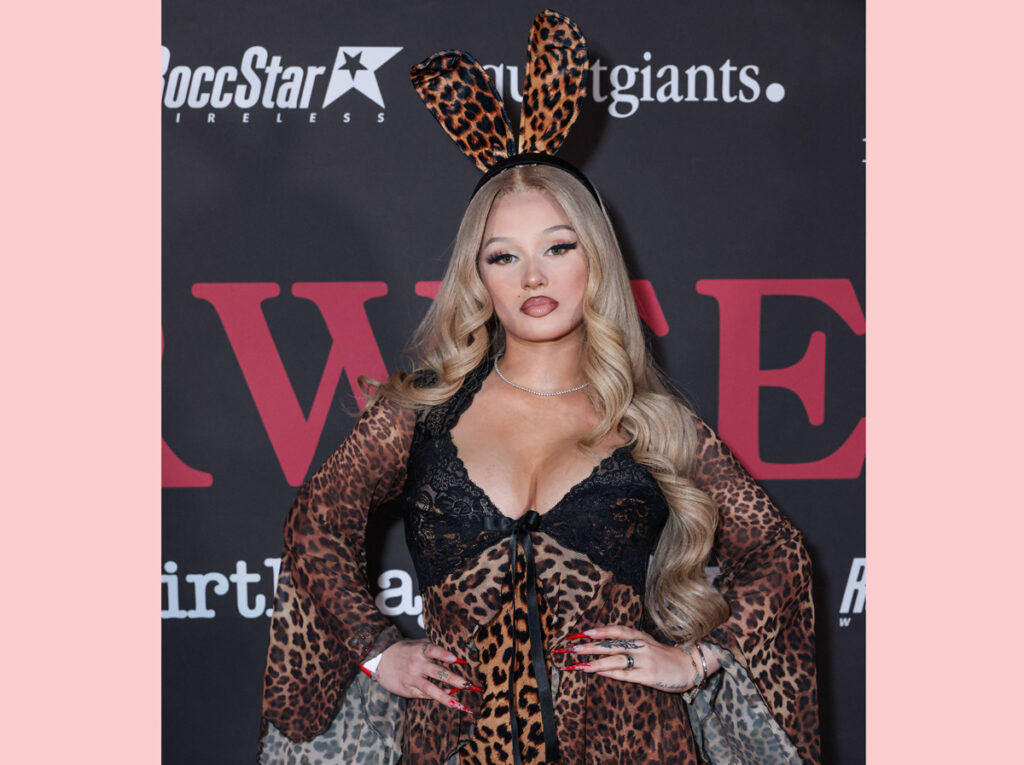
In a world where curated feeds often masquerade as real lives, the latest drama proves that even the most glamorous social media personas are not immune to betrayal. Alabama Barker, the 20‑year‑old daughter of famed drummer Travis Barker and former Miss Universe Shanna Moakler, publicly accused several close acquaintances of stealing and attempting to sell her designer wardrobe worth more than $130,000. The revelation, shared on TikTok and Instagram, is a stark reminder that the celebrity culture we adore is built on fragile trust and that the lines between fan and friend are more porous than we think.
Barker’s story comes at a pivotal moment. Social platforms now serve as both marketing tools and personal confessional spaces for the rich and famous. Yet, the very openness that fuels their massive followings also exposes them to unprecedented risks. The fallout from Barker’s accusations could ripple through the industry, prompting artists to reassess who they allow into their inner circles and how they protect their intellectual property. The public’s appetite for drama is undeniable, but the damage to personal relationships and brand equity cannot be ignored.
Barker’s claim that the theft had been ongoing for two years adds a new layer of urgency. It’s one thing to lose a prized jacket; it’s another to have your entire wardrobe gradually siphoned off by those you trust. By naming specific items—four pairs of $20,000 Chrome Hearts jeans, a $50,000 Hermès Birkin bag, and diamond earrings—she highlights the sheer scale of the loss and the tangible stakes at play. Her decision to involve the FBI signals that the stakes have escalated beyond a personal vendetta and into the realm of organized theft.
Background & Context
Alabama’s public persona has largely been shaped by her parents’ fame and her own burgeoning presence on social media. Since her birth in 2004, she has leveraged the platform’s viral potential, amassing millions of followers with fashion, lifestyle, and occasionally music content. Yet her brand has remained largely untarnished until now. The theft allegations are a first for a high‑profile figure at her age, underscoring how even the most protected can become vulnerable in the age of instant communication and digital record‑keeping.
The fashion industry itself has long wrestled with the challenges of protecting designer intellectual property in the age of resales and counterfeit markets. The case echoes earlier controversies involving artists who discovered their work was being sold without consent on third‑party platforms. Barker’s public exposure of alleged theft serves as a warning that celebrity designers must remain vigilant when entrusting private items to others, especially in an era where influencers and fans frequently trade or sell coveted pieces online.
Alabama’s accusations are not just a personal saga; they touch on broader themes of trust, authenticity, and digital safety. Her story resonates with countless others who have found themselves the target of online or offline exploitation, from influencers who lose brand partnerships to everyday individuals who become victims of social media scams. The industry, too, is forced to confront the growing necessity of safeguarding not just intellectual property but personal assets.
What People Are Saying
The social media response to Barker’s post was immediate and polarized. Fans of her own posts rallied in defense, with comments ranging from “Alabama deserves justice” to “We’re all in this together.” At the same time, the alleged thieves—identified only by mutual acquaintances—were caught on camera attempting to list the stolen items for sale on an online marketplace. This footage, shared in a TikTok story, added an undeniable layer of proof that many saw as a damning indictment of the circle around Barker. The viral spread of the clip sparked a conversation that extended beyond Barker’s own followers, drawing in people who had never followed her but who now questioned the safety of their own digital wardrobes.
In the same week, the spotlight turned to two other entertainment heavyweights, each managing their own narrative. Actress and designer Alison Victoria, after a week of on‑air drama involving a staff dismissal, posted a serene image of a stained‑glass window, declaring that “no chaos, just creativity.” Her words were an antidote to the chaos that surrounds Barker’s story, offering a reminder that personal and professional storms can be weathered without sacrificing authenticity. The post drew heartfelt support from her followers, who praised her decision to stand by her values and not compromise her integrity for short‑term popularity.
Meanwhile, pop icon Jennifer Lopez leveraged her own platform to shift the conversation toward empowerment and legacy. In a teaser for her upcoming concert film, Lopez highlighted how she plans to “pay homage to all the entertainers who graced the stage before me.” Her announcement—“We’re two weeks away from THE JLO SHOW Thanksgiving night on CBS & Paramount+”—was met with an outpouring of enthusiasm that suggested a continued appetite for high‑quality, self‑made entertainment. Lopez’s approach underscores how star power can be harnessed to maintain a positive narrative amid personal controversies, a strategy that perhaps could be useful for any celebrity navigating a crisis.
Finally, Queen Latifah’s new documentary, “You Can Go Home Again,” premiered, focusing on affordable housing in Newark. While not directly linked to the theft scandal, her project demonstrates how celebrities are increasingly using their platforms to champion social issues. By spotlighting community development and housing reform, Latifah’s work adds another layer to the conversation: that fame is not only about fashion and fame but also about responsibility toward the broader social fabric.
What Happens Next
Barker’s next moves will be closely watched by industry insiders. Her decision to file a formal complaint with the FBI signals a willingness to take legal action rather than settle quietly. If the case proceeds, it could set a legal precedent for how celebrity theft is prosecuted in the digital age, potentially requiring new safeguards for high‑value personal items that are frequently exchanged on social media. Meanwhile, her brand could face both positive and negative fallout. Brands often avoid controversy, yet the narrative of a vulnerable young woman taking a stand may endear her to consumers who value authenticity over polished perfection.
The ripple effect could prompt brands to reevaluate their collaborations with emerging influencers. Contracts might include stricter clauses regarding asset protection, and social media agencies may need to develop better monitoring tools for identifying potential theft or resale of branded items. The theft scandal could also spark a broader industry movement toward transparency and accountability, especially as fans increasingly demand that celebrities do more than just appear glamorous—they want to see the real risks they face and how they navigate them.
On a broader scale, the week’s events showcase a diverse array of celebrity responses to contemporary challenges. From the personal betrayal faced by Barker to Victoria’s professional resilience, Lopez’s celebratory focus, and Latifah’s community activism, each narrative underscores a single truth: authenticity is the currency of modern pop culture. Whether through exposing a theft, celebrating a craft, or championing a cause, each star is redefining what it means to be a public figure in an age where the personal and the professional are inseparable.
The entertainment world will be watching closely as Barker’s case unfolds, as Victoria returns to the studio, as Lopez’s film hits screens, and as Latifah’s housing project gains momentum. One thing is clear: the lines that separate the private from the public, the personal from the brand, are blurring, and the stakes—both monetary and emotional—have never been higher.
The Bottom Line
Our view: The Alabama Barker case is a clarion call for the influencer industry to confront a systemic trust crisis. While audiences revel in curated perfection, they are blind to the real risks that underlie those glossy feeds. By exposing how close friends can turn into thieves, the incident underscores that personal assets and brand equity are now intertwined liabilities. Brands that continue to partner with young creators without stringent asset protection clauses risk both financial loss and reputational damage. The solution lies in proactive safeguards—clear contractual language, real‑time monitoring, and a culture that prioritizes transparency over performative authenticity. Only by acknowledging that personal and public spheres bleed into one another can we build a sustainable ecosystem where creators feel protected, audiences stay engaged, and the industry thrives on genuine trust. This is no longer a luxury; it is a necessity for survival in the digital age.
Reference:
- Official post on Alabama Barker's verified Instagram
Read more celebrity news at MyWorldPulse.