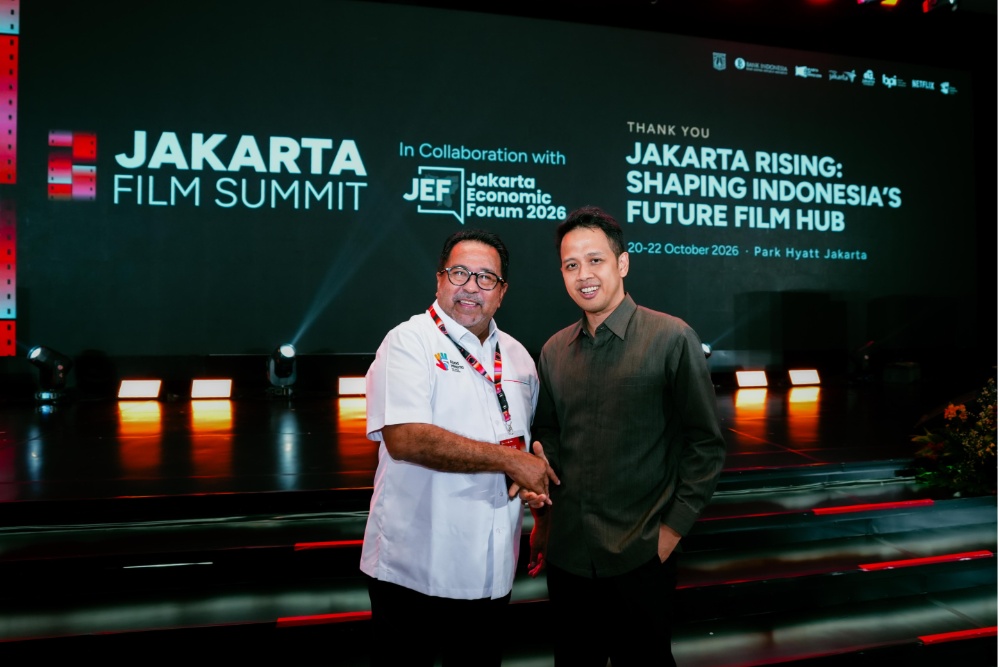
When the streaming titan announced a 1,000‑person layoff, the ripple went far beyond its own ranks, reaching the streets of Jakarta where film makers are sharpening their focus to attract international projects. The two moves—one a seismic shift in corporate strategy, the other a legislative overhaul—signal a turning point for the global entertainment industry, where control, creativity and market ambition collide.
In Jakarta’s bustling art deco lobby, a team of lawmakers and industry veterans signed the first draft of Indonesia’s new Film Law, a bold attempt to grant the Indonesian Film Agency (BPI) more power and streamline incentives for foreign productions. Netflix, already home to four projects in the works, watched closely, eager to secure a foothold in a market that could become the next regional hub. Meanwhile, back in the United States, Netflix’s co‑chief executives Ted Sarandos and Greg Peters faced their own crisis of confidence as they navigated a difficult earnings quarter, cut a thousand jobs, and installed a new chief content officer, Peter Rice, whose cross‑platform experience promises a fresh direction for the platform’s creative output.
The intersection of these events highlights a new era where streaming giants and national governments negotiate the terms of cultural production, while audiences around the world anticipate fresh stories—most recently, the adrenaline‑driven teaser for Brad Pitt’s “Cliff Booth,” a follow‑up to his 2019 hit “Once Upon a Time in Hollywood.” The convergence of corporate strategy, legal frameworks and creative ambition offers a fascinating glimpse into how the industry may evolve in the coming years.
Background & Context
The Indonesian film sector has long been a mix of passion and bureaucracy. Historically, the government’s grip on production, censorship, and distribution has kept foreign studios wary of investing in Southeast Asia. The 2021 Film Law, while a step forward, still left too many red lines and unclear incentive structures. By early 2024, the BPI, under Chair Fauzan Zidni, announced it was drafting a revised version to address these frustrations. The new bill, crafted alongside the Ministry of Culture, proposes a streamlined licensing process, tax rebates for foreign co‑productions, and a clearer framework for content that could help Jakarta compete with established hubs like Singapore and Bangkok.
Netflix’s presence in Jakarta is a key piece of this puzzle. With four of its titles—ranging from a gritty crime drama to a heartfelt family saga—in active production, the streaming giant has shown a willingness to engage with local talent and stories. Its involvement underscores the potential for international collaborations that could deliver global audiences fresh, diverse content while providing local creators with the resources and exposure they crave. The revised law, if passed, could lock in that partnership, allowing Netflix to expand its regional influence and cement Jakarta’s status as a new center for film innovation.
The domestic scene is only part of a broader shift. In the United States, Netflix’s recent restructuring has been felt by both employees and stakeholders. The 1,000 layoffs, announced a day after a Q3 earnings call that highlighted a 12 percent dip in subscriber growth, were a stark reminder of the volatility that even streaming titans face. The layoffs, coupled with a reshuffling of executive roles—most notably the replacement of Chief Content Officer Bela Bajaria with Peter Rice—reflect a company in transition, trying to balance content investment with profitability.
Peter Rice, known for his work across multiple platforms, including Netflix’s “Stranger Things” and HBO’s “Game of Thrones,” brings a hybrid perspective to the role. His appointment signals Netflix’s intent to fuse traditional television storytelling with the immediacy of streaming. It also aligns with a broader industry trend, where content creators increasingly juggle multi‑platform distribution to reach fragmented audiences. His arrival has already sparked conversation among industry insiders, hinting at a potential pivot toward more global, culturally nuanced narratives—an idea that dovetails neatly with Indonesia’s new Film Law.
What People Are Saying
Within Jakarta’s film circles, the new draft has sparked a mix of cautious optimism and skepticism. Local producers are thrilled at the prospect of reduced bureaucracy and the chance to attract foreign investment. One veteran filmmaker, who prefers anonymity, described the draft as “a breath of fresh air” that could finally allow Indonesian stories to be told on a global scale. Yet some worry that the law’s emphasis on attracting foreign productions might dilute local creative control, a concern echoed by independent filmmakers who fear a potential loss of artistic autonomy.
In the United States, reactions to Netflix’s shake‑up have been equally polarized. Employees gathered in a company‑wide town hall to question the rationale behind the layoffs and the new leadership structure. Their questions ranged from concerns about job security to curiosity about how Peter Rice’s experience might reshape content priorities. A senior producer in the office, who has been with the company for over a decade, expressed uncertainty, noting that while the new CCO brings fresh energy, the past few quarters have felt like a “roller coaster” for creatives and staff alike.
Meanwhile, audiences worldwide are already buzzing over the latest “Cliff Booth” teaser. Released ahead of the film’s scheduled launch, the sneak peek showcases high-octane action sequences featuring Brad Pitt, Elizabeth Debicki, Scott Caan, and Carla Gugino. The clip, which opens with a slick montage of gunfire and chase scenes, hints at a narrative that interweaves nostalgia for 1960s Hollywood with modern cinematic flair. The teaser’s reception has been overwhelmingly positive, with viewers praising its visceral energy and the star power that anchors it. Critics, too, note the film’s potential to bridge the gap between nostalgic reverence and contemporary storytelling—a direction that may align with Netflix’s broader content strategy under Peter Rice.
Industry analysts suggest that the film’s timing could be strategic. By releasing a high‑profile action thriller ahead of Netflix’s content revamp, the platform could attract a broader audience base, potentially offsetting the dip in subscriber growth experienced in Q3. This move also highlights a broader trend: streaming platforms are increasingly investing in star‑powered, high‑budget projects that can stand out in an overcrowded digital marketplace. Whether this strategy will pay off remains to be seen, but it underscores the high stakes involved as Netflix attempts to reclaim its position at the top of the global streaming hierarchy.
What Happens Next
The path forward for Indonesia’s film industry hinges on the eventual passage of the revised Film Law. Drafts are currently under review by a parliamentary committee that will decide whether to adopt the changes. If approved, the law could become a model for other countries seeking to attract international production while safeguarding local creative expression. For Jakarta, the next steps will involve actively courting studios, showcasing the city’s infrastructure, and negotiating partnerships that could bring in significant foreign investment. A successful rollout would position the city as a competitive alternative to Singapore’s, which has long been a regional film hub.
In the United States, Netflix’s executive changes and the 1,000 layoffs signal a re‑prioritization of resources. The company is expected to announce a strategic content roadmap in the coming weeks, outlining where it intends to allocate its budgets and what genres or narratives it will emphasize. With Peter Rice at the helm of content, there is anticipation that the platform will lean more heavily into global stories and collaborative projects, perhaps tapping into markets like Indonesia to diversify its portfolio. The company’s next quarterly earnings report will likely shed light on how these internal shifts translate into audience growth and revenue performance.
The “Cliff Booth” teaser, meanwhile, serves as a testing ground for Netflix’s creative direction. Its success could influence future production decisions, encouraging the company to greenlight similar high‑budget, star‑driven projects. The film’s release is scheduled for later this year, and audience reception will be closely monitored as a barometer for the platform’s ability to balance blockbuster appeal with content innovation.
Ultimately, the juxtaposition of Indonesia’s legal overhaul and Netflix’s corporate reshuffle illustrates a broader narrative: the entertainment industry is in flux, with streaming giants, local governments, and creative talent all vying to shape the next wave of global storytelling. How these forces will align—and whether they will produce a more diverse, accessible, and economically sustainable media landscape—remains an unfolding story that will capture the imagination of audiences and insiders alike.
The coming months will be decisive, as new laws are enacted, corporate strategies are executed, and audiences worldwide decide what stories they want to see next.
The Bottom Line
The policy win in Jakarta and the leadership shake‑up at Netflix are not just administrative adjustments—they represent a fundamental realignment of who gets to tell stories and how those stories reach audiences. By granting tax rebates and easing bureaucracy, Indonesia is positioning itself as a competitive alternative to long‑established hubs like Singapore, inviting international studios to invest locally. Netflix’s pivot under Peter Rice signals a strategic response to a saturated market: invest in high‑profile, culturally resonant projects that can generate global buzz while supporting profitability. If this dual strategy—policy‑driven market openness paired with content‑driven innovation—succeeds, it could democratize access to international financing and give smaller markets a real chance to shine. MyWorldPulse believes that the coming months will test whether these bold moves can bridge the gap between creative ambition and commercial sustainability, ultimately redefining the global entertainment landscape for the better.
Reference:
- Netflix's Official Twitter Post Announcing Peter Rice as CCO
- Indonesian Film Agency Announces New Film Law Draft
Read more celebrity news at MyWorldPulse.