Na Hong-Jin's Hope, Born From 2017 War Tensions, Debuts a Korean Drama
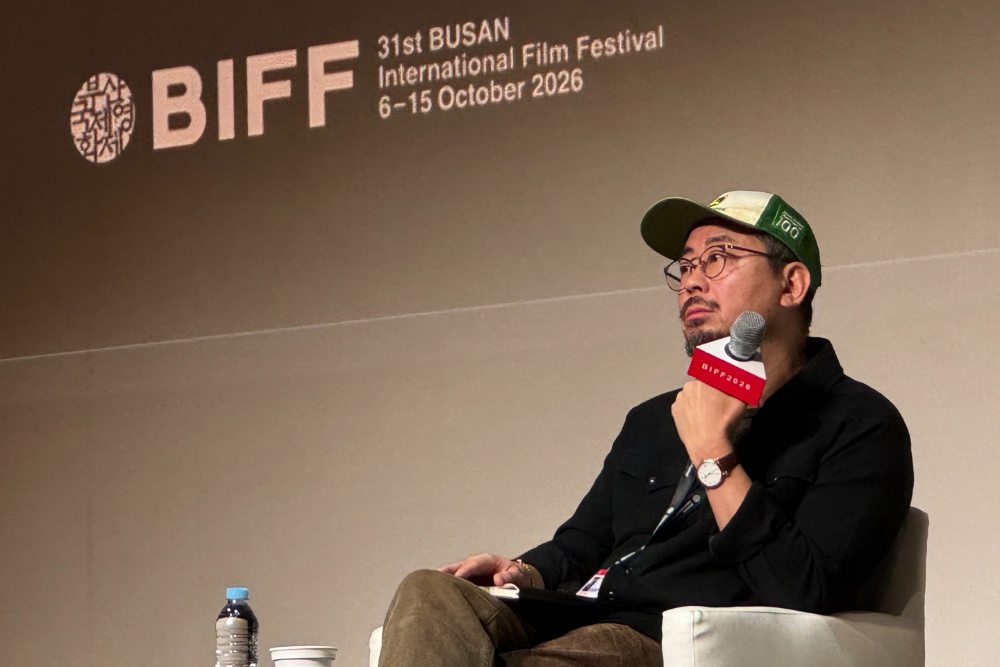
In the hushed glow of a Busan International Film Festival masterclass, director Na Hong‑Jin unfolded the story behind Hope, a film that would become a quiet warning about the fragile peace on the Korean peninsula. The 2017 war anxieties that shaped the movie—when U.S. fighter jets and bombers traced the night sky over Pyongyang—are now reflected in a cinematic narrative that blends horror, resilience, and a stark portrait of humanity under threat. For the industry, Hope signals a new wave of Korean storytelling that dares to confront political reality head‑on, a trend that could ripple through festival circuits, streaming deals, and the global appetite for gritty, socially relevant dramas.
Na Hong‑Jin, whose earlier works The Chaser and The Wailing earned him a reputation for atmospheric tension, spoke to a packed audience of industry insiders and film students about how a personal conviction in 2017 pushed him toward creating Hope. He explained that the tension he felt—an almost physical ache as news reports described jets over Pyongyang—transformed into a creative imperative: “If war were to break out, how would people live, love, and cling to hope?” The film’s title itself is an act of defiance, a declaration that even amid impending conflict, there is space for belief and humanity.
The reaction from the festival crowd was palpable. Students whispered between seats, critics took notes, and the director’s own eyes lit up as he connected a seemingly personal experience with a universal theme. For many, Hope was more than a film; it was a mirror held up to a nation that has been under the shadow of division for decades.
Background & Context
Na Hong‑Jin’s journey to Hope began with a history of intense, atmospheric cinema. The Chaser (2008) made a name for him in the thriller genre, while The Wailing (2016) blended supernatural horror with social critique. Yet, his fascination with war narratives started earlier, fueled by his own memories of living in a peninsula that has been split since 1948. In 2017, the political climate grew tense as North Korea tested its missile program, and U.S. military aircraft crossed into North Korean airspace in a display of deterrence. These events, coupled with an increasing sense of imminent conflict, created a pressure that Na felt could not be ignored in his work.
Rather than crafting a conventional war film, he chose to explore the psychological aftermath of potential hostilities. In Hope, he presents a microcosm: a small, isolated community in the shadow of a looming battlefield. The narrative focuses on the everyday struggles of ordinary people—family dynamics, personal grief, and the small acts of kindness that persist even when war looms. The film’s tone is understated, relying on subtle performances and environmental cues rather than overt spectacle. This approach reflects a broader shift in Korean cinema, where filmmakers are increasingly willing to tackle political subjects without resorting to melodrama.
The festival setting amplified the film’s impact. Busan International Film Festival, known for showcasing diverse voices, provided a stage where Hope could be viewed by both domestic and international audiences. The masterclass format allowed Na to share his creative process, including the decision to prioritize character over conflict. He revealed that the film’s script was written over a six‑month period, during which he consulted with military historians and local veterans to ensure authenticity. By grounding the story in real fears and real people, he created a narrative that feels both immediate and timeless.
What People Are Saying
Within the film community, Hope has sparked conversations about the role of Korean cinema in political discourse. Critics have noted that while the film avoids the sensationalism that sometimes accompanies war stories, it nevertheless delivers a potent critique of militarization. Reviewers highlight the director’s skillful use of silence, noting that the absence of bombings or large-scale battles underscores the psychological toll on civilians.
The film’s reception at the festival was mixed in terms of mainstream appeal, yet it garnered attention from distributors seeking fresh, socially relevant content for streaming platforms. Discussions have emerged around how Hope might fit into the growing demand for Korean-language content among international audiences, especially in the wake of the global success of series like Squid Game and Kingdom. The themes of survival and hope resonate universally, making the film a potential asset for streaming giants looking to diversify their libraries with hard‑core, thought‑provoking material.
Audience members have echoed a sentiment that Hope offers more than entertainment—it provides a space for reflection on current geopolitical realities. A student from Seoul’s Korea University noted that watching the film felt like a personal conversation with the nation’s past. An industry insider at a Korean production company mentioned that the film’s approach could inform future projects that aim to combine commercial viability with meaningful storytelling. The dialogue around Hope reflects a larger industry trend where filmmakers are pushing back against the “entertainment-only” model, embracing stories that challenge and educate.
What Happens Next
Following the masterclass, Na Hong‑Jin plans to seek a broader release for Hope. While the film already attracted interest from a few Korean streaming services, discussions are underway with international distributors who are keen to present it to a global audience. The director’s next steps involve securing a festival circuit run beyond Busan, with potential screenings at Venice and Toronto, which could elevate the film’s profile and open doors for further collaboration.
From an industry perspective, Hope may influence how Korean studios allocate budgets for politically charged narratives. The film’s modest production values demonstrate that powerful stories can be made without high budgets, encouraging smaller production houses to take creative risks. Moreover, the film’s reception indicates that there is a market for stories that address contemporary anxieties, suggesting that future projects may lean into real-world tensions rather than fictional fantasy.
The director himself hinted at a long‑term plan to explore other facets of the peninsula’s complex history. “If Hope can spark conversation, it’s a good foundation,” he said. He also emphasized that his work remains collaborative; he hopes to partner with historians and sociologists to deepen the authenticity of his next projects.
In closing, Hope serves as a reminder that cinema can be a powerful lens through which societies examine themselves. Na Hong‑Jin’s willingness to confront war’s looming specter not only pushes Korean film into a new thematic territory but also invites audiences worldwide to engage with the fragility and resilience that define human experience.
The Bottom Line
MyWorldPulse sees Hope as more than a film; it’s a cultural wake‑up call that proves Korean cinema can thrive by confronting uncomfortable truths rather than glossing over them. Na Hong‑Jin’s decision to eschew bomb spectacle in favor of quiet, human drama offers a powerful template for storytellers who wish to engage global audiences without compromising on depth. The film’s nuanced portrayal of civilians on the edge of war invites viewers to contemplate the everyday implications of geopolitical strife, a perspective often missing from mainstream war narratives.
Moreover, Hope’s success on the festival circuit—already attracting interest from both domestic streaming services and international distributors—highlights a burgeoning market for politically relevant Korean content. As global audiences continue to crave authenticity and diverse voices, filmmakers who adopt Hope’s measured, research‑driven methodology will likely find fertile ground across platforms. Ultimately, this project reaffirms that cinematic storytelling can be both a mirror and a catalyst for conversation, encouraging viewers worldwide to examine the delicate balance between hope and threat.
— MyWorldPulse Editorial
Reference:
- Official post on Na Hong‑Jin's verified Instagram account announcing the Hope masterclass
Read more celebrity news at MyWorldPulse.