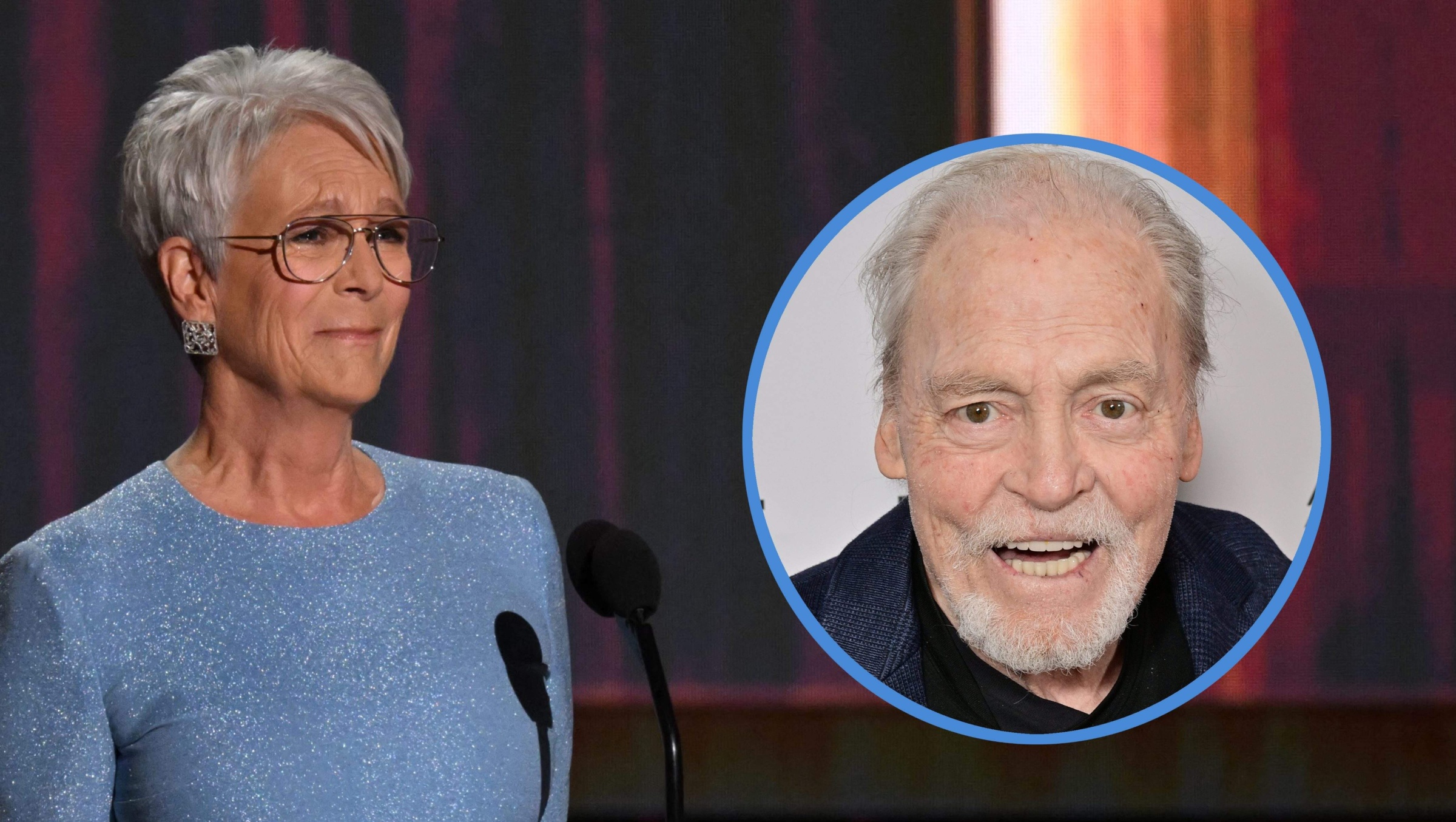
When Jamie Lee Curtis posted a single image on Instagram late Thursday, the feed erupted with heart‑heavy comments and a wave of nostalgia that spilled across the platform. In a single caption, the Oscar‑winning actress recalled her days on the Nullarbor Highway with a revered co‑star who had just passed away at 85, and the comments that followed were proof of the impact of that 1981 road‑thriller on fans and the industry alike.
The post arrived a day after the late actor’s death. The world still felt the sudden loss of a versatile performer who had carved a niche in the 1970s and ’80s with a mix of stage and screen work. Curtis, who had traveled from Adelaide to Perth for the shoot, used the moment to remind her audience of the small, human lessons that can come from a shared journey on set. With a quiet, almost reverential tone, she highlighted the simple but powerful habit that Keach had brought to the road: turning a hotel room into a home.
Fans flooded the comment section with memories of the film and the actor, many of them quoting the movie’s iconic scenes or simply praising the warmth that Keach seemed to carry even in the bleakest of landscapes. The ripple effect was swift: from casual viewers to industry insiders, people were reaching out with their own stories of that night, turning an Instagram post into a communal moment of remembrance.
Background & Context
“Road Games” was a low‑budget Australian thriller that followed a laid‑back American truck driver, Patrick Quid, played by Keach, who suspects a green‑van driver of serial killings. Curtis, in the role of hitchhiker Pamela Rushworth, meets Quid on the Nullarbor Highway, setting off a tense cat‑and‑mouse game that unfolds across the vast, unforgiving Australian outback. The film’s production was a grueling affair, with the crew traversing thousands of miles on the same stretch of road that would later become a character in its own right.
The journey itself was as much a narrative device as it was a practical necessity. Keach, known for his penchant for traveling with an array of personal comforts—soft rugs, plush pillows, a few treasured items that turned a cold hotel room into a familiar space—imprinted this habit on Curtis. In her tribute, she noted how these seemingly mundane details helped ground the actor during the long drives and quiet nights on set. “I learned that from him way back then, and do it to this day,” she wrote, underscoring the enduring influence of a simple, thoughtful touch.
Beyond the road itself, the film captured a period in cinema where Australian filmmakers were making bold, genre‑mixing statements. “Road Games” was one of several projects that put the country on the map for genre cinema, and the partnership between a seasoned American actor and a rising Australian star set a precedent for future collaborations across the Southern Hemisphere. The fact that the film’s narrative revolves around travel, identity, and the thin line between predator and prey also mirrors the transient nature of the industry, where actors constantly shift between roles, locations, and life chapters.
What People Are Saying
The reaction to Curtis’s post was immediate and visceral. In the first few minutes, the comment section filled with heartfelt remarks, nostalgic anecdotes, and an outpouring of admiration for both Keach and the film. “What an actor,” one user wrote, followed by “Great chemistry.” Another, reflecting on a recent viewing on a streaming platform, added, “So good, just watched the movie on Foxtel, may he rest in peace.” These messages captured a shared sense of loss and respect that transcended generations.
Some fans took the opportunity to remind others of the film’s cinematic achievements. “I love that film, and you two have such great chemistry in it. He was an actor with such fantastic range,” a comment read. Others focused on the personal qualities that Keach seemed to embody, both on and off the screen. “Fantastic actor. Road Games is excellent,” one comment noted, while a different voice praised the actor’s humanity: “What an actor. I am glad he was a nice human being as well.”
The comments also reflected the deep appreciation for the actor’s legacy. Fans recalled the 1980s era, the thrill of seeing a familiar Hollywood name appear in an Australian setting, and how that film remains a hidden gem in many collections. “One of my favorite films of either of you. Would highly recommend to anyone,” a fan commented, offering a recommendation to a new generation of viewers. Such endorsements not only revived interest in the film but also kept the memory of Keach alive in a medium that thrives on immediacy and personal connection.
The flood of messages turned Curtis’s tribute into a communal gathering, with thousands of fans sharing their own memories of the actor’s roles in other iconic films, his theatre work, and the quiet moments that made him stand out. The comments served as a living archive, capturing how an actor’s life can reverberate through the audience long after the lights go down on the set.
What Happens Next
With the passing of a respected actor, the industry often takes a pause to honor his contributions. In the case of Stacy Keach, there is already an expectation of retrospectives that may surface on streaming platforms, reissues of his most celebrated works, and possibly a curated tribute that showcases his career milestones. The fact that “Road Games” is readily available on multiple services means that newer audiences can easily revisit the film and experience the dynamic between Keach and Curtis that had so many fans in awe.
For Curtis herself, the tribute could signal a broader initiative. She has previously spoken about her appreciation for seasoned collaborators, and this public acknowledgment may spur a reunion project or a documentary segment that explores the making of the film and the journey of its cast and crew. The industry has seen similar cases where an actor’s death inspires retrospectives or new productions that highlight their most impactful roles, and it is plausible that film distributors may capitalize on this renewed interest.
The response to Keach’s death also signals a shift toward honoring the smaller, more intimate parts of an actor’s career. While blockbuster successes often dominate headlines, it is the smaller, collaborative moments—like the “hotel room” anecdote—that resonate deeply with audiences. This could encourage filmmakers to emphasize the personal stories behind the scenes, allowing audiences to see the humanity that fuels the art.
On a more personal level, Curtis’s message has already sparked conversations about the importance of preserving a sense of home while traveling. Her reminder to “make a hotel feel like home” may influence actors and crews on future productions to incorporate more personal comforts, especially in long, arduous shoots. The industry may take note that the human touch—simple, thoughtful gestures—can leave a lasting impact on a team’s morale and, by extension, the quality of the final product.
Final Thought
Jamie Lee Curtis’s heartfelt tribute has already sparked a wave of reflection, reverence, and renewed curiosity about a film that once bridged continents and showcased the collaborative spirit of cinema. As fans continue to share memories and celebrate the legacy of Stacy Keach, the story reminds us that even the briefest encounters on set can leave a lasting imprint—one that travels far beyond the road and into the hearts of everyone who follows a life well-lived in the spotlight.
Read more celebrity news at MyWorldPulse.