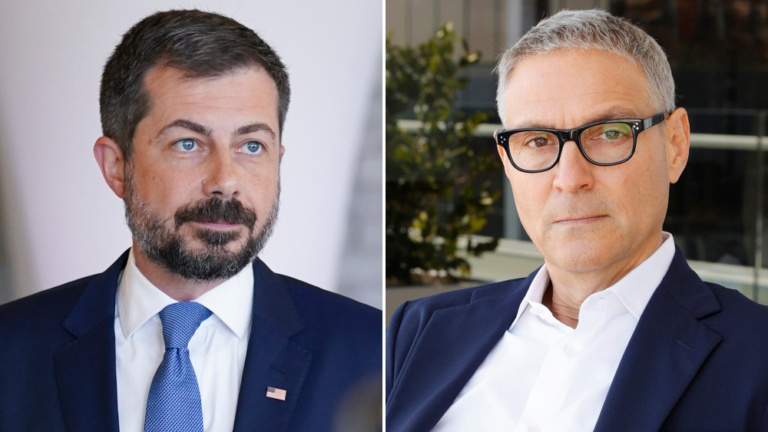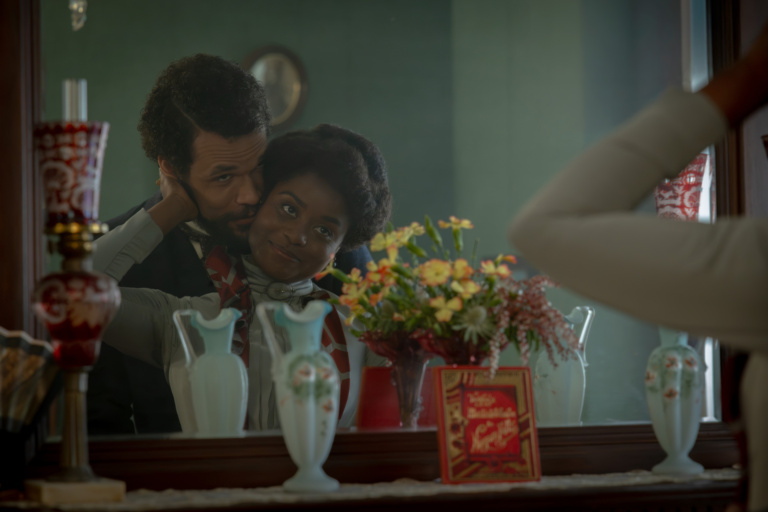
The world of daytime drama quietly mourned the loss of Randall England, the actor who once tormented viewers as the scheming Jack Slater on General Hospital and later took the stage to portray a young Bill Clinton. England’s death at 75 marks the end of a career that bridged the glittering, morally gray world of soap operas with the sober, resonant realm of political theater.
Born on October 3, 1945, England’s path to the limelight was anything but predictable. He grew up in a small Midwestern town, where the local community theater became his first love. His talent blossomed in regional productions, and a chance audition in Los Angeles in the early 1980s launched him into television. Though many actors in daytime drama spend their careers on a single series, England’s versatility quickly set him apart.
Jack Slater, the character he inhabited from 1985 to 1990, was a quintessential villain: a manipulator who twisted relationships for personal gain, a man whose presence could turn a lighthearted storyline into a study in human frailty. Fans remember his icy stare, the sharpness of his wit, and the way he could make a single scene feel like an event. The role earned England a loyal following and cemented his place in the annals of soap opera lore.
After leaving General Hospital, England did not retreat from the spotlight. He turned to the stage, taking on the role of a young Bill Clinton in a touring production that traced the early life of the future president. The performance was noted for its blend of humor and pathos, showcasing England’s ability to capture the charisma and vulnerability of a historical figure. The stage allowed him to explore more nuanced characters, moving beyond the caricature of a daytime villain.
Background & Context
General Hospital, one of the longest-running soap operas in American television history, has a reputation for dramatic twists and larger-than-life characters. When England joined the cast in 1985, the show was in the midst of a renaissance, attracting younger audiences with fresh storylines. Jack Slater, a lawyer turned crime boss, was introduced as a new threat to the familiar families of Port Charles. England’s portrayal added a layer of sophistication to the show’s moral complexity; his character was not a one-dimensional evil but someone whose ambition stemmed from personal ambition and a desire for control.
The 1980s were a pivotal decade for daytime television. The genre faced competition from rising cable networks and changing viewer habits, yet shows like General Hospital remained cultural touchstones. England’s tenure coincided with significant industry shifts, including the increasing use of complex narratives and character development. His work helped set a new standard for dramatic depth in daytime storytelling.
England’s later move to the stage was part of a broader trend of television actors seeking theatrical opportunities. The production in which he portrayed Bill Clinton was notable for its intimate approach to political biography, focusing on Clinton’s youth in Arkansas rather than the high-stakes politics he later navigated. England’s performance was praised for its authenticity, drawing on the actor’s background in portraying morally ambiguous roles. The project demonstrated his range and willingness to tackle roles that required a balance of seriousness and subtle humor.
What People Are Saying
The day of England’s passing, fans flooded social media and fan forums with memories of his most memorable scenes. Many recalled the chilling moment when Jack Slater betrayed a close ally, an episode that still resonates with viewers who remember watching the show on Saturday mornings. In the theater community, colleagues reflected on England’s professionalism and his dedication to rehearsal schedules. Directors who worked with him described his ability to keep the set vibrant, even when tackling emotionally charged material.
The actor’s portrayal of Bill Clinton attracted admiration from both theatergoers and political historians. Reviews of the stage production highlighted England’s nuanced performance, noting how he captured the young leader’s blend of confidence and uncertainty. Audiences praised the authenticity of his mannerisms and the subtlety with which he conveyed Clinton’s early ambitions. This role demonstrated England’s skill in moving beyond the archetypal villain, showing a capacity to embody complex, real-life figures with sensitivity.
Friends and family have kept England’s legacy alive by sharing photographs of him on set and behind the scenes. In a private gathering, they spoke of his kindness and the way he made everyone on set feel valued. While they honored his public achievements, they also highlighted the warmth he brought to his personal relationships—a side of England rarely seen by the television audience.
What Happens Next
The immediate response to England’s death has been an outpouring of tribute from the television and theater worlds. The General Hospital production team has announced a special episode to honor his contribution, featuring clips of his most iconic moments and a heartfelt message from the show’s current executive producers. Fans will be able to view this episode during the next season’s premiere, allowing a new generation of viewers to experience the character that captivated a decade of television.
In the theater community, several prominent actors have pledged to support a scholarship fund established in England’s name. The fund, designed to support aspiring stage performers from underserved communities, will be administered by the local theater company where England first made his mark. This initiative reflects his early career roots and his lasting commitment to nurturing new talent.
At the memorial service, held in his hometown, the community will witness a celebration of his life, complete with readings from his favorite literature and performances of songs that defined his era. The event will also include a retrospective showcase of his work, combining clips from General Hospital with footage from his stage productions. It will be a fitting tribute that underscores the breadth of his artistic journey—from the dramatic arcs of daytime drama to the nuanced portrayals on stage.
The legacy of Randall England will endure through the characters he shaped, the people he inspired, and the scholarships he helped establish. While his final curtain call has closed, the influence of his performances will continue to resonate on screen and in theater for years to come.
The Bottom Line
The story of Randall England is a reminder that the most memorable actors are those who refuse to be pigeonholed. His work on General Hospital not only entertained millions but also pushed daytime drama toward more sophisticated character arcs, challenging the genre’s traditional boundaries. England’s move to the stage and his nuanced performance as a young Bill Clinton demonstrated that the skills honed in television—quick character shifts, emotive delivery—translate beautifully to live theater, where immediacy and depth are paramount. For viewers, this crossover offers a richer, more interconnected entertainment landscape where beloved characters can evolve beyond the confines of their original medium. As MyWorldPulse.com, we applaud England’s legacy and the industry’s willingness to honor it with scholarships and memorials that empower the next generation of performers. His life reminds us that talent, versatility, and humanity are the true constants that make storytelling resonate across time and format.
Reference:
- Official memorial post on General Hospital's Instagram
Read more celebrity news at MyWorldPulse.