When Jennifer Aniston walked into Central Perk for the first time in a decade, the coffee aroma seemed to whisper, “We’re still here.” Her return to the iconic sitcom spot, complete with the original couch and an all‑star cast, reignited a wave of fond memories that rippled through streaming queues and fan forums alike, proving that a single moment can resurrect an entire era.
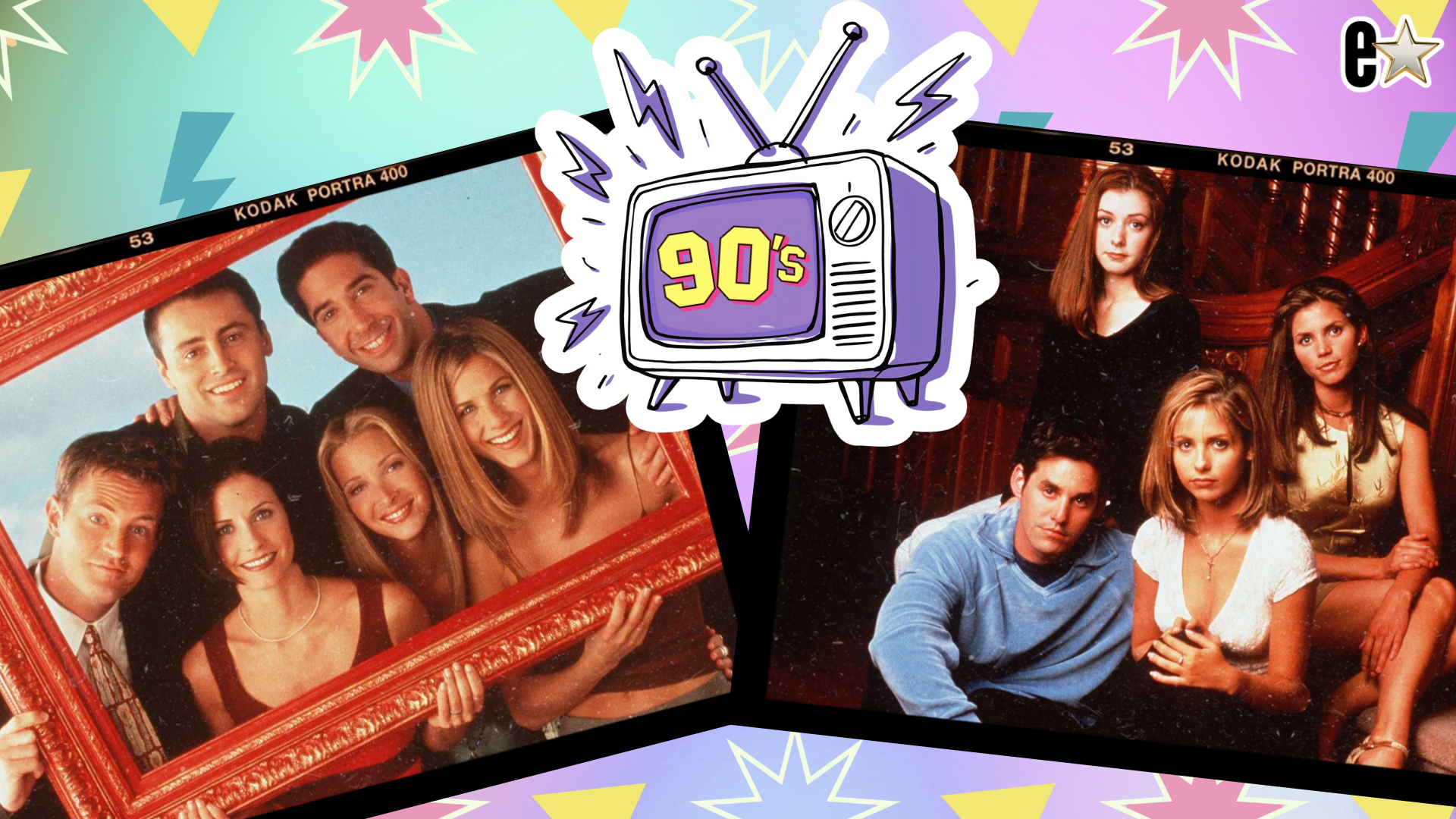
The ’90s were a golden age for television, a decade that fused sitcom charm with supernatural intrigue and coming‑of‑age grit. From the laugh‑out‑loud dynamics of Friends to the spell‑binding power of Charmed, audiences were treated to a kaleidoscope of stories that continue to resonate. The rise of streaming has turned the nostalgia wheel faster than ever, allowing new generations to experience these classics side‑by‑side with the original fan base. It’s a comfort that transcends age—whether you’re a former school‑yard geek or a millennial just discovering the magic of The Fresh Prince for the first time, there’s a character or plot twist waiting for you.
Beyond the headline‑making return of Aniston, the lineup of ’90s favorites now available on popular platforms is proof of how timeless these shows are. Whether it’s the martial arts choreography of Mighty Morphin Power Rangers, the witchcraft of Charmed, or the glossy teen drama of Beverly Hills, 90210, each series offers a distinct flavor of the decade’s cultural tapestry. For many, the digital age has made it easier than ever to revisit these narratives, with platforms offering instant access to entire seasons and bonus content that deepens the experience.
Background & Context
The decade’s television landscape was marked by a diversification of genres and storytelling techniques that expanded the horizons of what a sitcom or drama could accomplish. Friends, which premiered in 1994, pioneered the ensemble comedy format, focusing on the interpersonal dynamics of six friends navigating love, work, and the absurdities of city life. Over ten seasons, it introduced iconic catchphrases, unforgettable character arcs, and a sense of communal comfort that still feels relevant in today’s fragmented media environment. Its availability on HBO Max ensures that even after two decades, new audiences can sample the cultural touchstones that defined the era.
Simultaneously, The Fresh Prince of Bel‑Air introduced a comedic lens on class and cultural differences, with Will Smith’s witty commentary bridging the gap between West Philadelphia’s street smarts and Bel‑Air’s opulent lifestyle. Premiering in 1990, the show’s blend of humor and heart made it a staple of the era, and its migration to Hulu brings a fresh cohort of viewers into the fold. The early ’90s also saw a surge in fantasy and superhero content. Mighty Morphin Power Rangers, which debuted in 1993, combined martial arts, science fiction, and colorful costumes to create a franchise that not only dominated Saturday morning cartoons but also spurred a line of toys, comics, and a devoted fan base. Netflix’s hosting of the original series allows modern viewers to witness the genesis of a cultural phenomenon that persists in pop culture references.
In the same period, Charmed redefined the supernatural genre for television. Beginning in 1998, the show followed three sisters who discover they are powerful witches, a narrative that blended domestic drama with magical adventure. With eight seasons of complex relationships, villainous encounters, and the introduction of a fourth sister, Charmed cultivated a devoted following that persists in contemporary discussions of women’s representation in media. The show’s presence on multiple platforms—including Pluto TV, Peacock, Hulu, and Prime Video—provides a broad accessibility that keeps its legacy alive. Meanwhile, Beverly Hills, 90210, airing from 1990 to 2000, offered a glamorous yet gritty look at teenage life in a sun‑baked metropolis, tackling topics ranging from relationships to social issues that resonated with a broad audience. Its availability on various streaming services ensures that the drama and romance of the show remain within reach for those seeking to relive the era’s teen angst.
Beyond the listed series, other notable ’90s shows such as The X‑Files, Seinfeld, ER, Full House, The Simpsons, and 3rd Rock from the Sun also enjoy continued streaming popularity, illustrating the decade’s breadth. These titles span a range of styles—from science‑fiction conspiracies to sitcom humor—underscoring the diversity that defined the decade’s television output.
What People Are Saying
The digital conversation around these shows has been fueled largely by nostalgia and the fresh lens of contemporary social discourse. Fans on social media have taken to celebrating the “retro revival” that streaming has facilitated, sharing clips and trivia that remind them of the days when cable channels dictated the nightly ritual. Aniston’s Central Perk cameo, for instance, sparked a flood of fan art and memes, with many joking that the café had finally reached its full‑capacity “friends‑only” status. Comments on the official Friends fan page praised the authenticity of the set design and the chemistry among the cast, underscoring how the show’s core elements still feel “in‑date” in the best possible way.
Meanwhile, viewers of The Fresh Prince of Bel‑Air have highlighted the series’ relevance to current discussions on race and socioeconomic mobility. Social media threads often reference the show’s early portrayal of interracial family dynamics, with commenters noting how it provided a framework for understanding cultural friction and familial support. Likewise, Mighty Morphin Power Rangers has seen a resurgence among younger audiences, many of whom grew up watching the original series in the 90s and are now introducing it to their own children. Parents and kids alike have expressed delight in the show’s blend of action and moral lessons, citing it as a “timeless” source of family entertainment.
The supernatural appeal of Charmed has also reemerged in the public sphere, especially among viewers who appreciate the show’s early feminist themes and portrayal of sisterhood. Online forums dedicated to genre analysis have dissected the show’s narrative arcs, noting how it subverted typical supernatural tropes by focusing on the everyday struggles of its protagonists. Additionally, Beverly Hills, 90210 fans have debated its portrayal of teenage life and societal expectations, with many pointing to the show’s early depiction of issues such as addiction, abuse, and identity as progressive for its time.
Across the board, many viewers are discussing the “watch‑together” culture that streaming has reinvigorated. From organized viewing parties on Discord to coordinated binge‑sessions on Twitter, the social aspect of re‑watching these shows has become a shared ritual, blending communal nostalgia with the solitary act of streaming. These conversations highlight how the ’90s television library has transcended its original context, becoming a platform for intergenerational dialogue and cultural reflection.
What Happens Next
The continued momentum surrounding these series is set to grow as more platforms sign licensing agreements, and as new content emerges that pays homage to the ’90s aesthetic. Streaming services have been adding curated “retro” collections, and some have begun to commission reboots or spin‑offs that reimagine the original material for a modern audience. For example, there are reports of Friends‑style spin‑offs featuring the characters’ adult children, a concept that could blend the nostalgic charm of the original with contemporary storytelling.
Additionally, the industry is witnessing a surge in nostalgic marketing campaigns, with cross‑promotions between old series and contemporary media. Merchandise lines—ranging from re‑issued vintage apparel to limited‑edition collectibles—are tapping into the collective longing for the past while capitalizing on the current streaming wave. These products serve not only as revenue streams but also as cultural touchstones that keep the original series in public consciousness.
From a broader perspective, the success of ’90s shows in the streaming era signals a trend toward “evergreen” content that remains relevant long after its original broadcast. This has led to a renewed focus on developing series with layered storytelling, diverse characters, and universal themes that can withstand changing cultural landscapes. Producers and writers are looking back at the decade’s best practices—such as ensemble casts, serialized arcs, and genre blending—to craft narratives that resonate across generations.
Meanwhile, audience demand is pushing platforms to expand their libraries. Subscribers are requesting more depth, prompting services to seek out not only the flagship shows but also the hidden gems that defined the decade’s television. This could lead to a richer, more nuanced exploration of the ’90s, revealing lesser-known series that tackled issues such as mental health, LGBTQ+ representation, and socio‑economic disparities, all while maintaining entertainment value.
In short, the future of ’90s television in the streaming age is a vibrant blend of nostalgia and innovation. It offers a space where fans can revisit beloved memories while simultaneously discovering fresh interpretations that honor the legacy of the era.
---
The revival of ’90s television shows continues to demonstrate how a single, well‑crafted moment—like Aniston’s return to Central Perk—can ignite a cultural phenomenon that bridges generations and invites us all to sit down, press play, and enjoy the show.
The Bottom Line
At MyWorldPulse, we see Jennifer Aniston’s Central Perk return as a masterstroke that blends heart‑warming nostalgia with savvy media strategy. The moment captured a decade of cultural memory, reminding us that storytelling’s true power lies in its ability to connect across generations. By reinvigorating the beloved Friends set, the cameo has reignited conversations about the show’s themes—friendship, resilience, and the subtle humor of everyday life—that still resonate today. More importantly, it demonstrates how a single, well‑timed cultural touchstone can serve as a catalyst for broader platform initiatives, from curated retro collections to cross‑generational watch parties. This revival is a testament to the enduring appeal of authentic, character‑driven narratives, and it affirms that the past is not just a relic but a living, breathing reservoir of creative potential. MyWorldPulse will continue to spotlight these intersections of legacy and innovation, ensuring our readers appreciate both the memories they cherish and the fresh stories that await them.
Reference:
- Official Instagram post by Jennifer Aniston announcing her Central Perk cameo
Read more celebrity news at MyWorldPulse.