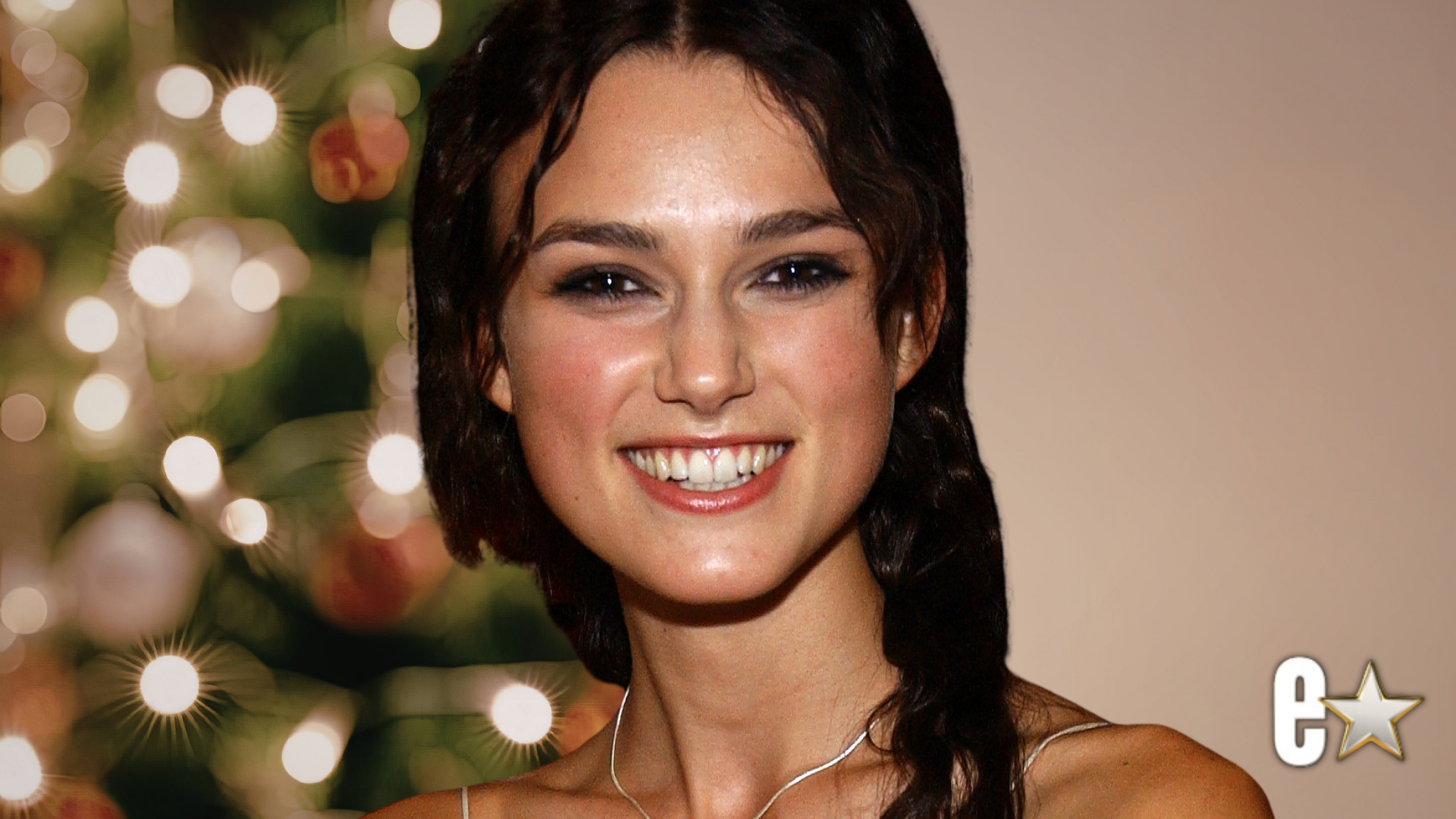
Keira Knightley, still a teenager in 2003, found herself caught between the playful demands of a romantic comedy set and the meticulous eye of director Richard Curtis. When the scene in which Andrew Lincoln’s character, Mark, delivers his love declaration with a series of giant cue cards needed a subtle shift, Curtis pulled her aside and asked her to change her expression—a request that sparked a chuckle and a memorable behind‑the‑scenes moment that fans now remember with affection.
The moment is more than a footnote in the film’s history; it illustrates how the early stages of a star’s career can hinge on small, seemingly insignificant directorial nudges. For an industry that often celebrates grand gestures, this anecdote underscores the craft that shapes a movie’s legacy—one director’s guidance can turn a scene from ordinary to iconic, resonating for generations.
As the holiday film continues to circulate in the streaming age, and Knightley now promotes a new Netflix series, the joke about a 17‑year‑old actress still forgetting her own lines takes on a bittersweet tone. It reminds audiences that even the most cherished scenes are born from fleeting, human moments behind the cameras.
Background & Context
“Love Actually” emerged in 2003 as a British romantic comedy that would soon become a staple of holiday viewing. Directed by Richard Curtis, the film is structured as an interlocking tapestry of love stories, with Keira Knightley playing Juliet, a young woman who finds herself the subject of a love‑letter from a stranger. For Knightley, the role represented an early stepping stone; she was 17 at the time and had just begun to find her footing in the competitive landscape of cinema.
The cue‑card sequence is arguably the film’s most iconic moment. Mark, played by Andrew Lincoln, stands outside Juliet’s apartment and, without words, conveys his affection through a series of large cards that spell out “I love you.” The scene is simple yet powerful, proof of the director’s understanding of visual storytelling. Yet, behind the camera, the performance required a nuanced emotional shift.
According to Knightley’s recollection, Curtis initially saw her looking at Lincoln as “creepy.” The director’s request was for her to soften her gaze, to let the scene breathe with genuine tenderness rather than an awkward intensity. Knightley’s humorous retort—“But it is quite creepy”—captures the youthful confidence of a 17‑year‑old who was already negotiating the demands of a professional set. The exchange, brief as it was, reveals how a director’s instincts can be as critical to the final cut as a well‑written script.
The broader significance of this exchange lies in its illustration of how early-career actors often become the vessels through which seasoned directors refine their vision. The production schedule for “Love Actually” was brisk; Knightley worked on the set for roughly a week. Such condensed timelines are common in romantic comedies, where the focus is on capturing natural chemistry rather than long‑term character arcs. Yet within that brief window, the director’s guidance and the actress’s willingness to adapt forged a moment that continues to resonate.
What People Are Saying
Fans of “Love Actually” have long celebrated the cue‑card scene for its charm and simplicity, but few were aware of the behind‑the‑scenes humor that birthed it. With the film’s popularity growing in the streaming era, the anecdote has become a part of the collective lore, shared on fan forums and social media. Knightley’s own mention of the story—while promoting her new series—has spurred renewed interest, especially as she is often quoted on lines from the film that she, humorously, does not always recognize.
The dialogue about the film’s enduring appeal also reflects a broader conversation among audiences: the balance between nostalgia and fresh interpretation. “Love Actually” has become a cultural touchstone, frequently referenced in holiday playlists and meme culture. Yet, as Knightley jokes about not watching it in years, there is an underlying tension between the film’s status as a holiday classic and the reality that the people behind it have moved on to new projects. Her admission that she last watched the movie at its premiere when she was 18 underscores how fleeting even a film’s significance can be for those who created it.
Industry observers note that the anecdote also speaks to the way early experiences shape an actor’s career trajectory. Knightley’s lightheartedness in recounting the scene indicates a professional maturity that has helped her navigate multiple film and television projects since “Love Actually.” For viewers who grew up with the movie, her reflection offers a humanizing lens into the craft—highlighting that even celebrated scenes begin with a director’s small, precise adjustments and an actor’s willingness to adapt.
The exchange also prompts discussion about the collaborative nature of filmmaking. Curtis’s insistence on changing Knightley’s expression underscores how directors often sculpt performances to serve a larger narrative goal. The success of the cue‑card scene demonstrates that subtlety can be the difference between a memorable moment and a forgettable one, reinforcing the idea that attention to detail remains paramount even in genre pieces like romantic comedies.
What Happens Next
With “Love Actually” now a streaming staple and Knightley heading a new Netflix series, the industry looks forward to how her career continues to evolve. The anecdote—though humorous—reminds audiences that even the most beloved moments are born from collaborative dialogue and small adjustments. For viewers, the story invites them to consider the unseen layers that contribute to the magic on screen.
As Knightley’s new work enters the spotlight, fans will likely revisit “Love Actually” to see the scene that sparked her laughter and to appreciate the evolution of her performance. Behind the curtain, the director’s guidance will remain a point of reference for aspiring filmmakers and actors. It illustrates that, regardless of age or experience, the willingness to adjust—whether to a director’s suggestion or a new role—remains a core component of artistic growth.
The cue‑card scene may well continue to be replayed on streaming platforms, but the narrative surrounding its creation adds a new layer of depth. For audiences and industry insiders alike, the story reminds us that the most enduring works often hinge on moments of simple, human interaction—a director’s request, an actor’s response, and the film’s final, seamless execution.
The Bottom Line
At MyWorldPulse, we celebrate the quiet craftsmanship that elevates a film from good to unforgettable. Keira Knightley's early-career moment with Richard Curtis exemplifies this ethos. A single, well‑timed instruction—soften the gaze—transformed an earnest but awkward cue‑card gesture into the affectionate, universally adored sequence that defines “Love Actually.” This narrative serves as a reminder that in an era where big‑budget blockbusters dominate headlines, the industry—and audiences—still crave authenticity. Directors who listen, actors who adapt, and the collaborative spirit that allows such small tweaks to thrive are the true architects of cinematic magic. As streaming platforms continually recycle classics, the story behind the scenes offers fresh relevance, inspiring both seasoned professionals and emerging filmmakers to cherish the incremental adjustments that can make a scene timeless. In a market saturated with polished perfection, it is these humble, human moments that resonate, proving that artistry thrives not on grandeur alone but on the intimate dialogue between creator and performer.
Reference:
- Keira Knightley’s Instagram post about the cue‑card scene
Read more celebrity news at MyWorldPulse.