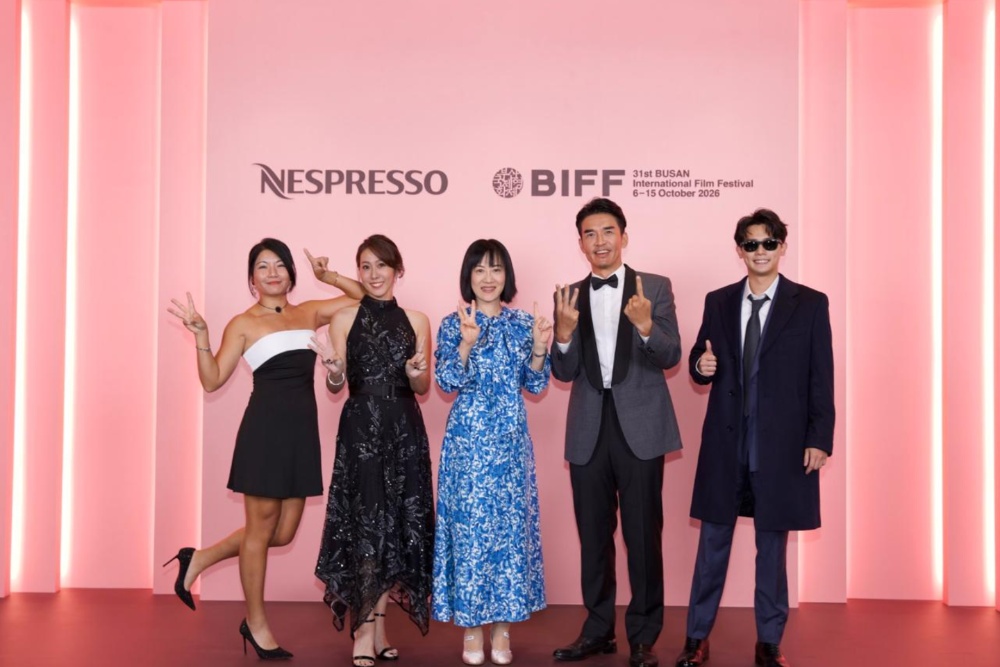
In a quiet moment on the 2024 Busan International Film Festival red carpet, Lee Yun Chan walked out of the press tent and into the glow of the screen, her gaze fixed on a projection that had been twelve years in the making. The Taiwanese director, whose last feature debuted in 2005, had returned to the big screen with To Be Ordinary, the sole Taiwanese entry in competition that year. The audience, a mix of international cinephiles and local fans, waited with bated breath as the film’s title—literally “to be ordinary”—unfurled across the screen, marking a cinematic homecoming that felt both triumphant and oddly understated.
Lee Yun Chan, who was born in 1979 and began her filmmaking journey with the 2005 cult favorite The Shoe Fairy, had spent the intervening years honing her craft behind the camera in television and digital media. After her first feature, she shifted focus to television series, most notably the Disney+ series Women in Taipei, which garnered attention for its intimate portrayal of female friendships in the Taiwanese capital. Yet, her heart had always been drawn to feature-length storytelling, a yearning she fulfilled in 2024 with To Be Ordinary. The film’s premiere at Busan, a festival renowned for spotlighting emerging Asian voices, signals a pivotal moment in her career and a notable milestone for Taiwanese cinema’s presence on the global stage.
Background & Context
Taiwanese cinema has long been a vibrant undercurrent within the broader Asian film landscape, producing a range of works from arthouse dramas to genre‑blending thrillers. In the early 2000s, a wave of filmmakers began to explore narratives that intersected local cultural nuances with universal human experiences. Lee Yun Chan emerged from this era with The Shoe Fairy, a 2005 debut that resonated for its whimsical storytelling and grounded character arcs. The film introduced audiences to her keen eye for detail and her ability to blend lightheartedness with subtle emotional depth.
Following her initial success, Lee transitioned to television, directing episodes that showcased her versatility. Her work on Women in Taipei for Disney+ allowed her to explore contemporary Taiwanese society through a fresh lens, blending humor and poignancy. While television offered a broader audience reach, Lee’s passion for feature filmmaking never waned. The decision to re-enter the realm of full-length cinema after a two-decade hiatus speaks to a deliberate, thoughtful pivot rather than a hurried return. It reflects an artist who has absorbed diverse storytelling techniques across mediums and now seeks to distill them into a singular, cohesive narrative.
Busan International Film Festival, founded in 1996, has grown into one of Asia’s most influential film events, recognized for its support of emerging filmmakers and its eclectic programming. The 2024 edition, set against the backdrop of the Korean city’s historic harbor, welcomed over 600 films from more than 70 countries. Lee’s To Be Ordinary being the sole Taiwanese film in competition underscores both the film’s distinct voice and the broader conversation about Taiwanese representation in international festivals. The festival’s competitive platform offers a crucible where works can earn critical acclaim and secure distribution deals, positioning Lee’s return at a crossroads of artistic recognition and commercial potential.
What People Are Saying
When To Be Ordinary opened its doors to festival audiences, reactions rippled through the crowd. Critics noted Lee’s meticulous craftsmanship, citing the film’s subtle layering of everyday moments that coalesce into a broader meditation on normalcy and identity. Reviewers highlighted the film’s atmospheric cinematography—capturing the quiet streets of Taipei with a lens that feels both intimate and expansive. The narrative, centered on a woman confronting the ordinary rhythms of her life, struck a chord with viewers who found familiarity in its honest portrayal of routine and its quiet defiance of expectation.
Festival attendees, many of whom were seasoned travelers to international film circuits, expressed a collective sense of surprise at how the film resonated with global audiences while remaining deeply rooted in Taiwanese culture. Conversations after screenings often revolved around the film’s thematic relevance: the universality of ordinary struggles, the quiet strength found in everyday acts, and the cultural specificity that grounds these themes in a Taiwanese setting. Social media buzz, measured in thousands of mentions and likes, reflected a growing interest in Lee’s narrative approach and her return to feature filmmaking.
Industry insiders at Busan also took note of the film’s potential as a marketable piece. While the festival’s focus remains artistic, the presence of To Be Ordinary in the competition lineup positioned it as a candidate for distribution deals, particularly in markets that have shown a growing appetite for Asian arthouse cinema. Distributors highlighted the film’s blend of relatable storytelling and high production values, noting that Lee’s experience in television might have contributed to a polished narrative rhythm that appeals to both festival juries and general audiences.
What Happens Next
Following its successful premiere, To Be Ordinary is slated to secure a broader theatrical release across Asia, with distribution partners eyeing opportunities in South Korea, Japan, and mainland China. The film’s potential for international streaming deals is also on the table, especially given Lee’s recent work with Disney+, which may open pathways to platforms that are increasingly investing in regional content. In addition, the festival’s award circuit offers a chance for the film to garner further accolades, possibly securing prizes that could elevate Lee’s profile on the world stage.
Lee Yun Chan has hinted at a forthcoming project that would further explore Taiwanese narratives, this time incorporating elements of the digital age and its impact on identity. While details remain sparse, the promise of a new feature suggests that her return to the big screen is not a one-off event but a new chapter in her creative trajectory. The anticipation around her future work reflects a broader curiosity about how Taiwanese filmmakers will navigate the shifting landscapes of global cinema, balancing local authenticity with international appeal.
For audiences, To Be Ordinary offers a chance to engage with a film that, while anchored in the specificity of its setting, speaks to universal human experiences. Its release will likely prompt discussions about the evolving nature of Taiwanese cinema and its role within the broader Asian film industry. As the film finds its way into theaters and screens worldwide, it may catalyze a renewed interest in Taiwanese stories, encouraging both audiences and creators to look beyond the mainstream narratives that often dominate global conversations.
In the quiet moments following its screening, when the last image fades and the lights rise, Lee Yun Chan’s return to feature filmmaking feels less like a comeback and more like a continuation—an artist stepping back into her own rhythm, inviting the world to share in the ordinary, yet profoundly human, moments that define us all.
The Bottom Line
Lee Yun Chan’s comeback with 'To Be Ordinary' is more than a personal triumph; it’s a statement about Taiwanese cinema’s evolving identity. The film’s quiet, unflinching look at everyday life proves that stories rooted in local context can still resonate on a global scale, challenging the notion that only high‑budget blockbusters dominate international markets. By returning to feature film after a long television career, Lee demonstrates how cross‑medium expertise can enrich storytelling, delivering crisp pacing that appeals to festival juries and mainstream audiences alike. This shift aligns with a broader industry trend where directors seek to blur the lines between television and cinema, creating content that is both culturally authentic and commercially viable. For audiences, the film offers a rare opportunity to witness Taiwan’s social fabric through a lens that feels both intimate and expansive. As distributors and streaming platforms look for fresh, relatable voices, Lee’s success may pave the way for more Taiwanese stories to find global homes, ultimately redefining the country’s cinematic footprint.
Reference:
- Official post on Lee Yun Chan's verified Instagram account
Read more celebrity news at MyWorldPulse.