The first glimmer of the festival’s buzz came when Todd Haynes, the celebrated auteur known for his off‑beat storytelling, stepped onto the Lyon stage and announced that his next feature, tentatively titled De Noche, would star Pedro Pascal. The announcement, delivered with Haynes’ trademark wry charm, set the tone for a night that would bring together international cinema’s most recognizable faces and offer a sharp commentary on the state of the film industry.
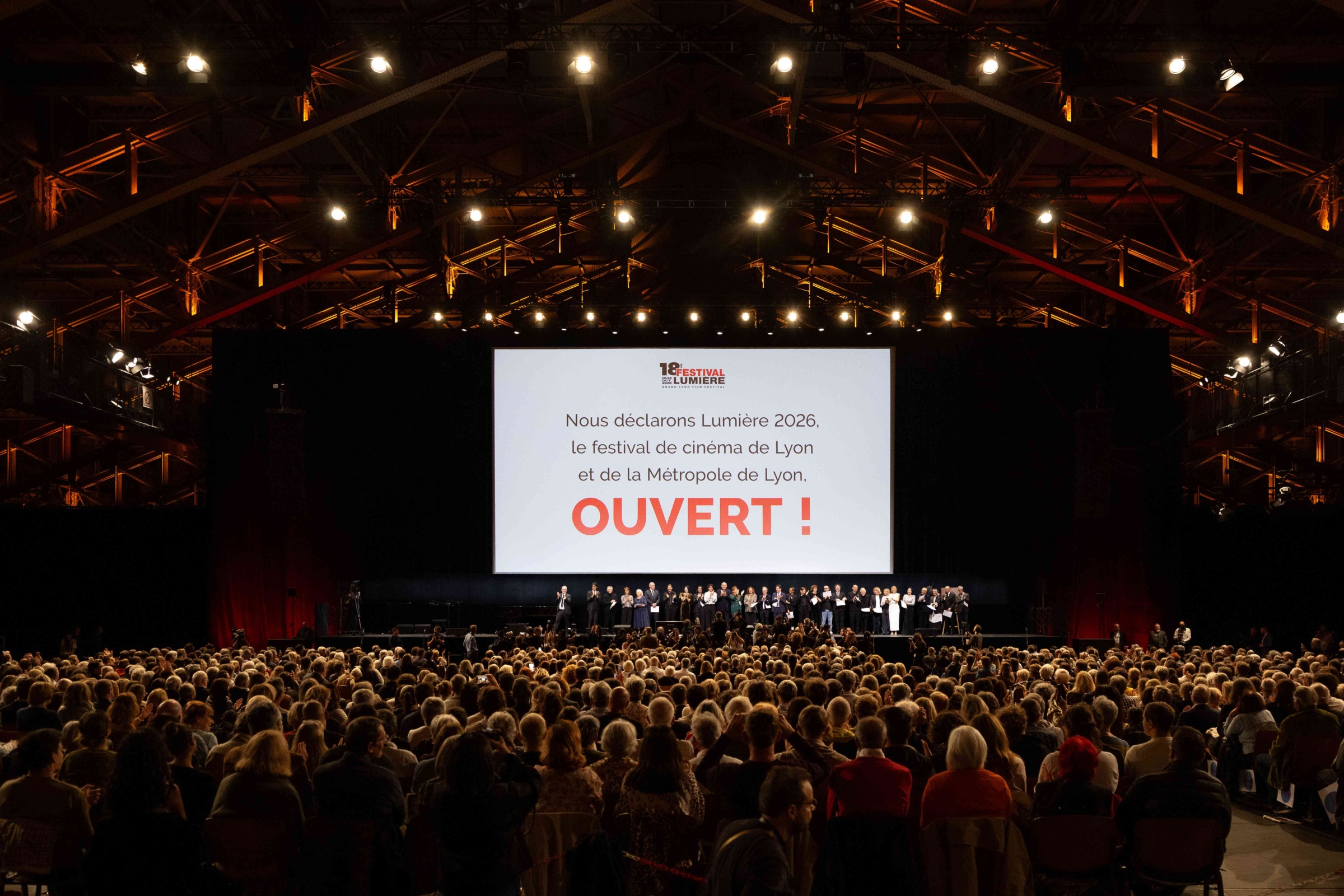
The gala took place at the historic Grand Théâtre in Lyon, a city that has long been a cradle for cinematic innovation. As the crowd settled into plush seats, the lights dimmed, and the marquee of the Lumière Festival—named after the pioneering Lumière brothers who first captured motion on film—flickered to life. Todd Haynes, flanked by Zhang Ziyi, the Hong‑Kong‑born actress celebrated for her nuanced roles, and Daniel Brühl, the German‑Spanish actor renowned for his performances in both independent cinema and Hollywood blockbusters, made the evening’s first headlines.
Behind the scenes, the presence of Tsui Hark, a legendary Hong‑Kong director who has directed a broad array of genres, and Andrey Zvyagintsev, the Russian filmmaker whose recent works have resonated across European art‑house circles, added an international flavor that echoed the festival’s mission: to celebrate cinema as a global language.
Background & Context
Lumière Festival has emerged over the past decade as a beacon for both emerging and established filmmakers, drawing from a diverse roster that ranges from up‑and‑coming auteurs to veteran stars. The festival’s founders aimed to create a platform that bridged the gap between French art‑house sensibilities and the broader international market. In its recent iterations, the festival has become a testing ground for projects that push cinematic boundaries while appealing to global audiences.
Todd Haynes, who first made waves with Velvet Goldmine and I'm Not There, has a reputation for crafting films that defy conventional storytelling. His work is frequently noted for its audacity and emotional depth, qualities that align perfectly with the festival’s ethos. The upcoming De Noche promises a blend of noir intrigue and atmospheric tension, with Pedro Pascal—known for his roles in The Last Duel and Narcos—leading the charge. Pascal’s involvement signals a merging of European and American star power, a dynamic that could broaden the film’s appeal across multiple markets.
Zhang Ziyi’s presence at the event was emblematic of the festival’s embrace of cross‑cultural talent. With a career spanning Crouching Tiger, Hidden Dragon, Memoirs of a Geisha, and more recent ventures into independent Chinese cinema, Zhang’s participation underscores the growing dialogue between Eastern and Western film industries. Daniel Brühl, who has worked on projects like Inglourious Basterds and The Grand Budapest Hotel, brings a European sensibility that has been pivotal in defining the festival’s identity.
The festival’s chief, Thierry Frémaux, who simultaneously steers the Cannes Film Festival, also took a moment to address broader industry concerns. His remarks, which resonated with many attendees, reflected a growing frustration among European filmmakers over perceived shifts in American film policy. While the specifics of his commentary were not fully disclosed, the reaction from the audience suggested that his words struck a chord with those who feel that cultural production is increasingly politicized on a global scale.
What People Are Saying
The night’s buzz quickly evolved into a tapestry of speculation and anticipation. After Haynes’s teaser, film enthusiasts and industry insiders alike began dissecting every possible element of De Noche. Discussions on social media platforms—particularly those focused on cinephile communities—quickly picked up, with users debating whether Pascal’s casting might indicate a broader trend of European actors bridging into Hollywood-led projects. The conversation was not limited to the casting; many commenters noted Haynes’s signature style and predicted a film that would weave narrative layers with stylistic boldness.
Zhang Ziyi’s appearance prompted a flurry of commentary regarding the future of Chinese actors in international cinema. A prominent online forum dedicated to global film showcased a thread in which participants explored how Zhang’s star power could influence film distribution agreements between Hollywood studios and Chinese production companies. The thread cited her past work in high‑profile films and argued that her involvement could bring new markets into the festival’s orbit.
Daniel Brühl’s role in the evening also sparked conversation. Fans of his work on both German and international productions noted how his career trajectory, which includes a mix of independent art‑house projects and mainstream blockbusters, exemplifies a growing trend of European actors gaining recognition across multiple cinematic traditions. Many participants on a niche film forum highlighted how his presence at Lumière signals a willingness to foster cross‑border collaborations that might shape the next generation of cinema.
In a subtle yet striking moment, Frémaux’s remarks were captured by a local news broadcast that emphasized the growing tension between European filmmakers and the United States. Critics who followed his speech echoed the sentiment that the festival was a platform not just for showcasing art but also for challenging policy decisions that could have long‑term ramifications for the global film ecosystem.
What Happens Next
With the festival’s momentum on a high note, the next few weeks will be crucial for both the film industry and the audience. Todd Haynes’ De Noche is slated for a limited theatrical release later this year, with plans to submit it for consideration at major festivals before its public debut. Industry insiders anticipate that the film’s release will be accompanied by a robust marketing campaign, focusing on the unique blend of Haynes’ avant‑garde sensibilities and Pascal’s star power.
Lumière Festival’s leadership is reportedly exploring partnership opportunities with major streaming platforms, following a trend that has emerged across the globe. These collaborations could offer wider accessibility for the festival’s films and broaden the reach of its star‑studied projects, including those featuring Zhang Ziyi and Daniel Brühl. The festival’s board has announced intentions to establish a dedicated grant program aimed at supporting filmmakers who explore cross‑cultural narratives, a move that would further cement its position as a champion of global cinema.
Meanwhile, the conversation sparked by Thierry Frémaux’s remarks is expected to continue across both European and American media outlets. As the film industry grapples with the balance between creative freedom and regulatory oversight, the dialogue will likely shape policy discussions in the upcoming months. The implications of these debates will reverberate through production houses, distributors, and the creative community at large.
For fans and critics, the next chapters of this story will be unfolding in real time. The anticipation surrounding De Noche is proof of the power of cinema to bridge cultural divides, while the festival’s commitment to fostering dialogue across borders promises to influence the trajectory of the industry for years to come.
The night at Lyon will linger in the memory of those who witnessed the convergence of talent and ideology. As the final credits rolled on the opening gala, the stage was set for a season that would see cinema’s most compelling voices, both in front of and behind the camera, pushing the boundaries of storytelling and industry practice alike.
The Bottom Line
MyWorldPulse sees the 2024 Lumière Festival as a turning point for how cinema negotiates identity in an era of cross‑border commerce and geopolitical tension. Todd Haynes’ bold announcement—pairing Pedro Pascal with a daring noir vision—reveals a strategic move to fuse auteur storytelling with mass‑market appeal, a recipe that could redefine blockbuster economics. The simultaneous inclusion of Zhang Ziyi and Daniel Brühl underscores the imperative of genuine cultural exchange, ensuring that the narrative tapestry reflects the global community rather than a Euro‑centric narrative. Meanwhile, Thierry Frémaux’s candid critique of U.S. film policy reminds us that the industry cannot remain insulated from political currents. By championing these conversations, MyWorldPulse believes that the festival is not just a platform for premieres but a crucible for shaping a more inclusive, resilient film economy. Our view: If Hollywood, the West, and emerging film markets truly want to thrive, they must embrace the hybrid model that Lumière is championing, turning diverse voices into commercial and artistic gold.
Reference:
- Official post on Todd Haynes’s verified Instagram
- Official Lumière Festival press release announcing De Noche
Read more celebrity news at MyWorldPulse.