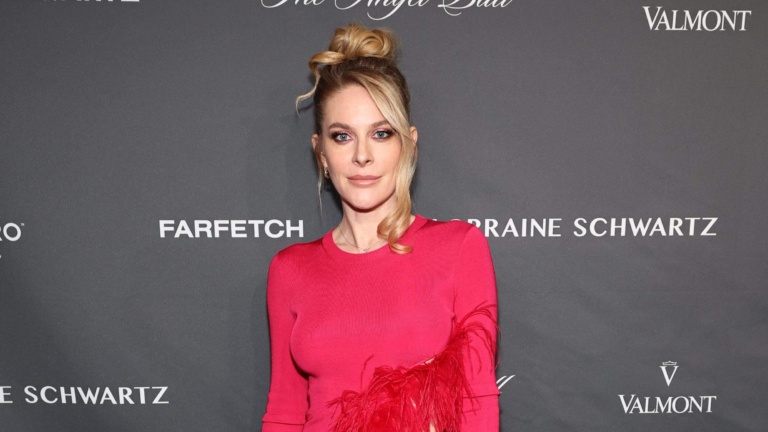
In a glittering ballroom that echoed the roar of an NFL stadium, Maura Higgins swept the floor in a fiery tango, yet the season’s beloved duo was the one to leave the dance floor for the last time. The 35th season of the dance competition, which had just celebrated its first “Super Bowl Night,” ended with the elimination of a fan‑favorite pairing—shattering expectations and reshaping the trajectory of televised dance battles.
The episode, broadcast on October 13, became a pivotal moment for reality dance as it fused the high‑energy spectacle of a Super Bowl halftime show with the meticulous choreography of the competition. Eighty‑four judges’ scores, combined with instant text and online votes that closed right after the final performance, determined the bottom two couples. While veteran pro Mark Ballas and Irish celebrity Maura Higgins dazzled the audience with a tango that earned a 33‑point score from a panel that included sportscaster Joe Buck, the votes ultimately tipped the scale against the fan favorite, who had enjoyed a steady climb of popularity since the season’s start.
Background & Context
“Dancing With the Stars” launched in 2005, and its 35th season, airing in 2026, has been a barometer of pop culture and audience engagement. Historically, each week introduced a distinct theme—whether “Broadway Night” or “Music Legends” —to keep both contestants and viewers on their toes. This week’s “Super Bowl Night” was a first for the franchise, marking the first time the show had celebrated the most-watched sporting event in the United States by thematically aligning its performances with past Super Bowl halftime shows. Songs from Shakira, Lady Gaga, Jennifer Lopez, Bad Bunny, and others provided a nostalgic backdrop, while also offering a wide range of musical styles for the contestants to showcase.
The decision to delay the night sparked speculation that the show might be positioning itself to announce the next Super Bowl’s halftime performer, a move that would intertwine the realms of dance and sports entertainment. Though no official reveal followed, the episode’s premiere drew a surge in live viewership, suggesting that the crossover appeal was a significant draw.
The format of the show blends the objective scoring of the judges with the subjective passion of the audience. Each performance is evaluated on a 40‑point scale by the four judges—sportscaster Joe Buck, former ballroom champion Carrie Ann Inaba, professional dancer Derek Hough, and veteran choreographer Bruno Tonioli. Their scores are then combined with real‑time fan votes, which close immediately after the final dance. This hybrid system ensures that the competition remains unpredictable; a technically perfect routine can still falter if it fails to resonate with viewers.
What People Are Saying
The audience’s reaction was electric. Social media buzz erupted as fans debated the merits of each couple’s performance. Fans of Maura Higgins lauded the duo’s synchronization and the “thrilling” energy that echoed a real dance hall, while some commentators critiqued Jackson Olson’s salsa, noting that his movements remained “jagged” despite showing improvement. Amber Glenn and her professional, Pasha Pashkov, received praise for their samba, with several viewers noting how Glenn’s confidence carried the routine. Across the board, the judges delivered candid feedback—Joe Buck’s comment that Higgins’ posture made him “proud to be Irish” and Bruno Tonioli’s affirmation that the tango “looked easy” were widely shared.
The elimination of the fan‑favorite couple—whose identity was kept under a tight lid for the night—sent shockwaves through the fandom. Longtime followers had watched the pair’s journey, noting their growth from hesitant beginners to a partnership that seemed poised for the finale. Many fans expressed disappointment, citing the couple’s consistent fan base as proof of the show’s democratic voting system. The moment also highlighted a tension that exists on such programs: the delicate balance between technical merit, entertainment value, and the power of narrative arcs that keep audiences invested.
In contrast, some viewers celebrated the outcome, pointing out that the competition’s unpredictability is what keeps it fresh. By removing a fan‑favorite, the show underscores its commitment to keeping the stakes high and preventing complacency. Meanwhile, the presence of sportscaster Joe Buck on the judging panel added a layer of sports‑centric credibility to the show, further cementing its crossover appeal with NFL audiences.
What Happens Next
The removal of the fan‑favorite pair narrows the field to ten couples, heightening the intensity for the remaining weeks. Viewers can expect each subsequent episode to feature escalating choreography, with the contestants tackling increasingly complex dance styles while navigating the emotional pressure of possible elimination. The next weeks will likely see the introduction of “Music Legends” or “Dance Fusion” themes, allowing the dancers to diversify their skill sets and appeal to a broader audience.
The judges will continue to evaluate based on technical execution, while fans will have the opportunity to influence outcomes through text and online voting. This dual mechanism means that even a technically flawless routine may falter if it lacks the public’s heart. Conversely, a crowd‑pleaser with minor technical missteps can thrive, keeping the competition dynamic.
Looking ahead, the show’s producers have hinted at possible future collaborations beyond sports. The success of “Super Bowl Night” could pave the way for themed nights that partner with other major events—be it the NBA Finals, the Oscars, or even major music award shows—expanding the franchise’s footprint. Moreover, the unexpected buzz surrounding the night’s possible halftime performer announcement indicates that “Dancing With the Stars” may evolve into a platform for launching or promoting high‑profile entertainment ventures, leveraging its vast viewership to amplify cultural moments.
For the contestants, the road to the finale will be both physically demanding and emotionally taxing. The professional dancers—such as Ezra Sosa, who has forged deep connections with fellow competitors like JoJo Siwa—will continue to refine their routines, balancing their artistry with the commercial appeal necessary to captivate voters. These bonds, often formed backstage, can influence performance dynamics, as the camaraderie among pros can lead to creative collaborations or supportive mentorship.
As the season progresses, the narrative will shift toward a tighter, more dramatic climax. The audience will be drawn into a storyline that intertwines dance excellence, personal growth, and the unpredictability of public sentiment. Each elimination will feel like a turning point, reshaping the composition of the competition and ensuring that the ultimate winner is one who has survived both the technical gauntlet and the collective gaze of the viewers.
In the weeks to follow, the stakes will rise, the choreography will intensify, and the audience will keep voting, ensuring that “Dancing With the Stars” remains a cultural touchstone that reflects the ever‑shifting dance of fame, skill, and the collective heartbeat of its fans.
The Bottom Line
The unexpected elimination of a fan‑favorite at a Super Bowl‑themed episode signals that Dancing With the Stars is no longer merely a dance contest—it is a high‑stakes entertainment drama that thrives on emotional shock and viewer participation. While the 33‑point judges’ score for Maura Higgins and Mark Ballas demonstrates undeniable technical prowess, the instant text and online votes that toppled them reveal that the show’s appeal now hinges on narrative momentum more than choreography alone. For the industry, this is a double‑edged sword: on one hand, the unpredictability keeps audiences glued, fueling shares, debates, and live viewership spikes; on the other, it risks alienating long‑time fans who expect a merit‑based progression. MyWorldPulse believes that shows must find a better equilibrium—perhaps by weighting judges’ scores higher or by transparently communicating how votes are tallied—to preserve the integrity of dance while still offering the dramatic twists that define reality TV. Until then, the risk remains that the show’s credibility will erode under the weight of its own spectacle.
—MyWorldPulse Editorial
Reference:
- Maura Higgins’ official Instagram post announcing her exit
Read more celebrity news at MyWorldPulse.