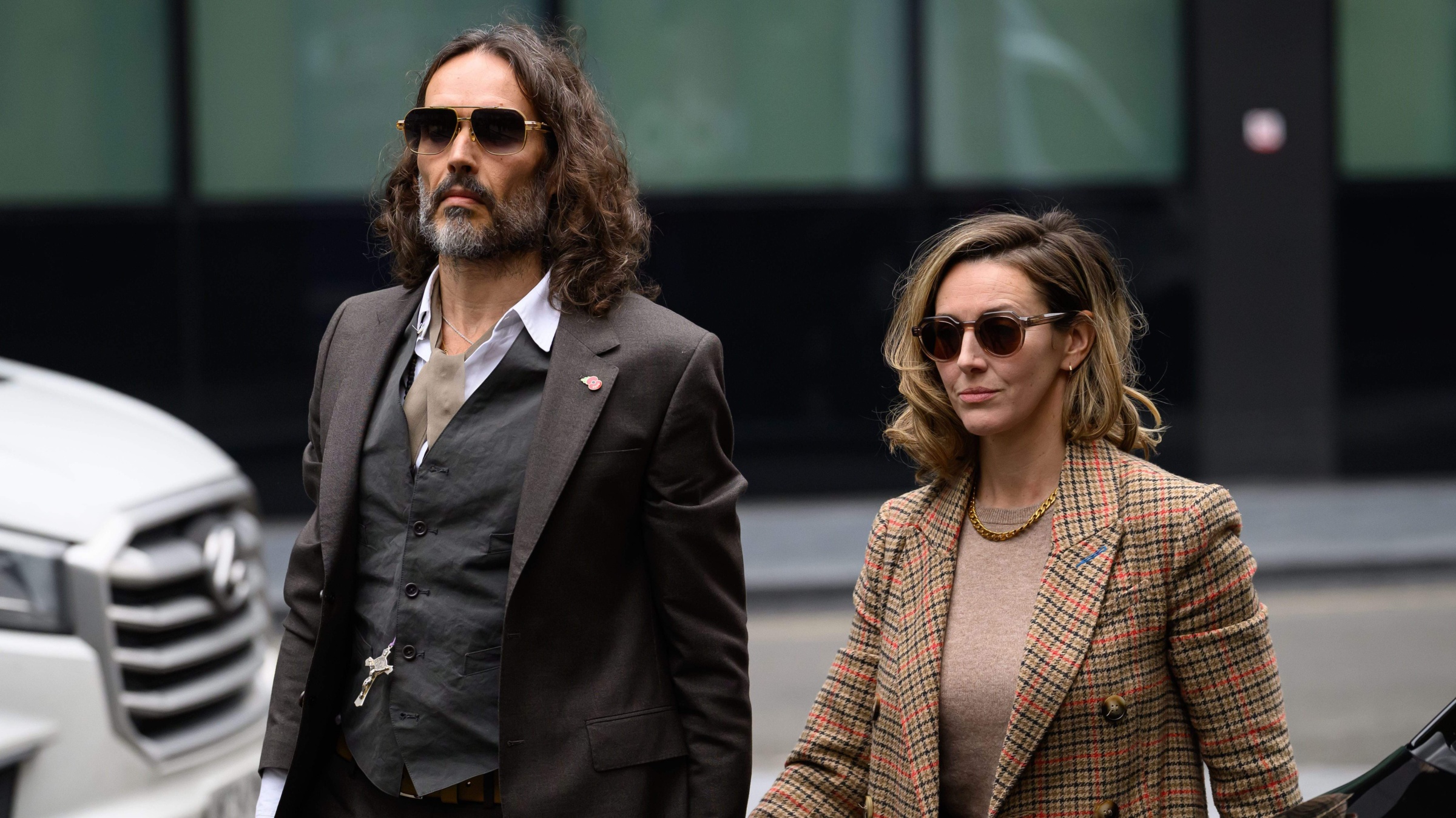
In a quiet, low‑key video that rolled out on his YouTube channel, Russell Brand—now 51—asserts his innocence while behind bars. His wife, Laura Brand, delivers the message in the wake of a 10‑year, six‑month sentence for rape and sexual assault. The clip, set against the backdrop of a Sunday morning spiritual series, presents a stark contrast between a public figure in crisis and a partner offering a personal plea for understanding.
The clip unfolds as Laura welcomes viewers to an “unused episode” of their “Sunday Service” show, a weekly Bible‑focused broadcast she has been hosting since the couple’s wedding. As she speaks to the camera, she tells audiences that Russell is “okay” and “praying,” and that she is continuing the show in his absence. She frames his declaration of innocence as “not guilty for the offences I have been jailed for,” while the record shows he was convicted of multiple sexual assault charges in a London trial earlier this month.
The significance lies in the convergence of two worlds: the public eye and the intimate space of a shared faith practice. In a time when the entertainment industry is scrutinizing accountability, this episode signals an attempt to control the narrative from the inside, offering a different lens on a scandal that has dominated headlines and social media alike.
Background & Context
Russell Brand’s fall from grace began long before the criminal court docket. The former comedian and television host rose to prominence in the early 2000s with his sharp wit and candid interviews. By the late 2010s, he had become a prominent media figure, hosting shows, authoring best‑sellers, and launching a health and wellness brand. Yet behind the public persona, a darker undercurrent emerged. A series of accusations, dating back to the 1990s, were brought to light in 2023 by investigative journalists from the Sunday Times and The Times, who uncovered a pattern of alleged sexual misconduct. These reports, coupled with a police investigation, led to a series of arrests and a highly publicized trial.
In November, a court in London convicted Brand of raping one woman and sexually assaulting three others, sentencing him to 10 years and six months in prison. The conviction was based on a combination of testimonies, forensic evidence, and recorded admissions. The sentencing, delivered on the 9th of November, was followed by a brief appeal that has yet to overturn the verdict. While the legal process has been exhaustive, the public debate surrounding Brand’s actions has only intensified.
Simultaneously, a Netflix documentary titled “Russell Brand: Open Secret” premiered on the 13th of November, offering a deeper look at the accusations and the media’s role in bringing them to light. Directed by Olivia Isaacs, the film weaves archival footage with interviews, aiming to present a broader context for Brand’s career and the circumstances that delayed exposure of the allegations. The documentary arrives as Brand faces a future behind bars, and as his personal narrative begins to shift from entertainer to prisoner.
What People Are Saying
The release of Laura Brand’s video sparked an immediate wave of reactions across digital platforms. Some viewers expressed bewilderment at the contrast between the calm tone of the message and the severity of the allegations. Others noted that the couple’s continued spiritual dialogue could be seen as an attempt to maintain a sense of normalcy amid legal turmoil. The message’s emphasis on prayer and the statement that Russell is “okay” resonated with a segment of the audience that views the case through a lens of faith and redemption.
On the other hand, many expressed frustration at what they perceived as a minimization of the victims’ experiences. Comments highlighted the tension between the notion of “innocence” presented by Brand and the legal finding that he had committed crimes. Some commentators pointed out that the documentary’s release was a key moment for the public to understand the full scope of the allegations, suggesting that it offers a more nuanced perspective than the courtroom proceedings alone.
Laura Brand’s role has been both criticized and defended. While some accuse her of shielding her husband, others praise her candidness and view her as a partner trying to support her spouse through an unprecedented ordeal. The image of a married couple continuing a shared weekly program—despite the husband being in prison—has become a focal point for debates about loyalty, accountability, and the impact of public scandal on private life.
What Happens Next
Legally, Brand’s appeal is still on the table, though the likelihood of overturning a conviction that was built on substantial evidence remains uncertain. The next stage will involve a review of the appellate court’s decision, which could extend the timeline before the sentence is fully enforced. In the meantime, Brand will be housed in Littlehey Prison, a facility known for housing men with serious convictions. Whether he will receive any early release through compassionate or parole provisions remains to be seen.
Meanwhile, Laura Brand has indicated that the “Sunday Service” show will continue as a weekly occurrence, with her providing spiritual guidance and hosting other guests in Russell’s absence. Her statements suggest a desire to maintain a semblance of continuity, both for her family and for viewers who have come to rely on the program’s moral and religious content.
The upcoming months will also see the release of “Russell Brand: Open Secret” on streaming platforms. The documentary is expected to influence public perception by providing deeper insight into the timeline of accusations, the investigation, and the broader context of Brand’s public life. As viewers digest both the film and the legal proceedings, conversations about accountability in the entertainment industry are likely to intensify.
In the broader cultural landscape, Brand’s situation serves as a case study in how public figures navigate legal and moral accountability. The intersection of faith, media, and the criminal justice system presents a complex tapestry that will continue to evolve as new information surfaces and as society grapples with the implications of celebrity misconduct.
The story remains alive, and the next chapter will likely unfold in the courtroom, in the prison cell, and perhaps again on the small screen of a YouTube channel.
The Bottom Line
—The MyWorldPulse Editorial Team
In a world where public figures can rebrand themselves in minutes, Russell Brand’s wife’s YouTube video feels like a desperate bid to reclaim a narrative that has long since been seized by the court and the press. The clip is a stark reminder that accountability is not merely about the legal outcome but also about the stories we choose to believe. While Laura Brand’s words may resonate with viewers who see faith as a path to redemption, they risk trivializing the trauma experienced by the victims and perpetuating a culture that excuses criminal behavior under the guise of personal faith. The juxtaposition of a Sunday Service broadcast with a 10‑year prison sentence highlights the uncomfortable duality many audiences face when they must reconcile the image of a beloved entertainer with the harsh reality of his actions. For MyWorldPulse readers, this is not just a headline; it is a call to critically assess how the entertainment industry markets morality, how the media frames justice, and how audiences can separate a person’s work from their wrongdoing. We urge our readers to look beyond the surface, demand transparency, and hold public figures—and the platforms that amplify them—to the highest ethical standards.
—The MyWorldPulse Editorial Team
Reference:
- Laura Brand's YouTube video statement
- Russell Brand's official social media post confirming his conviction
Read more celebrity news at MyWorldPulse.