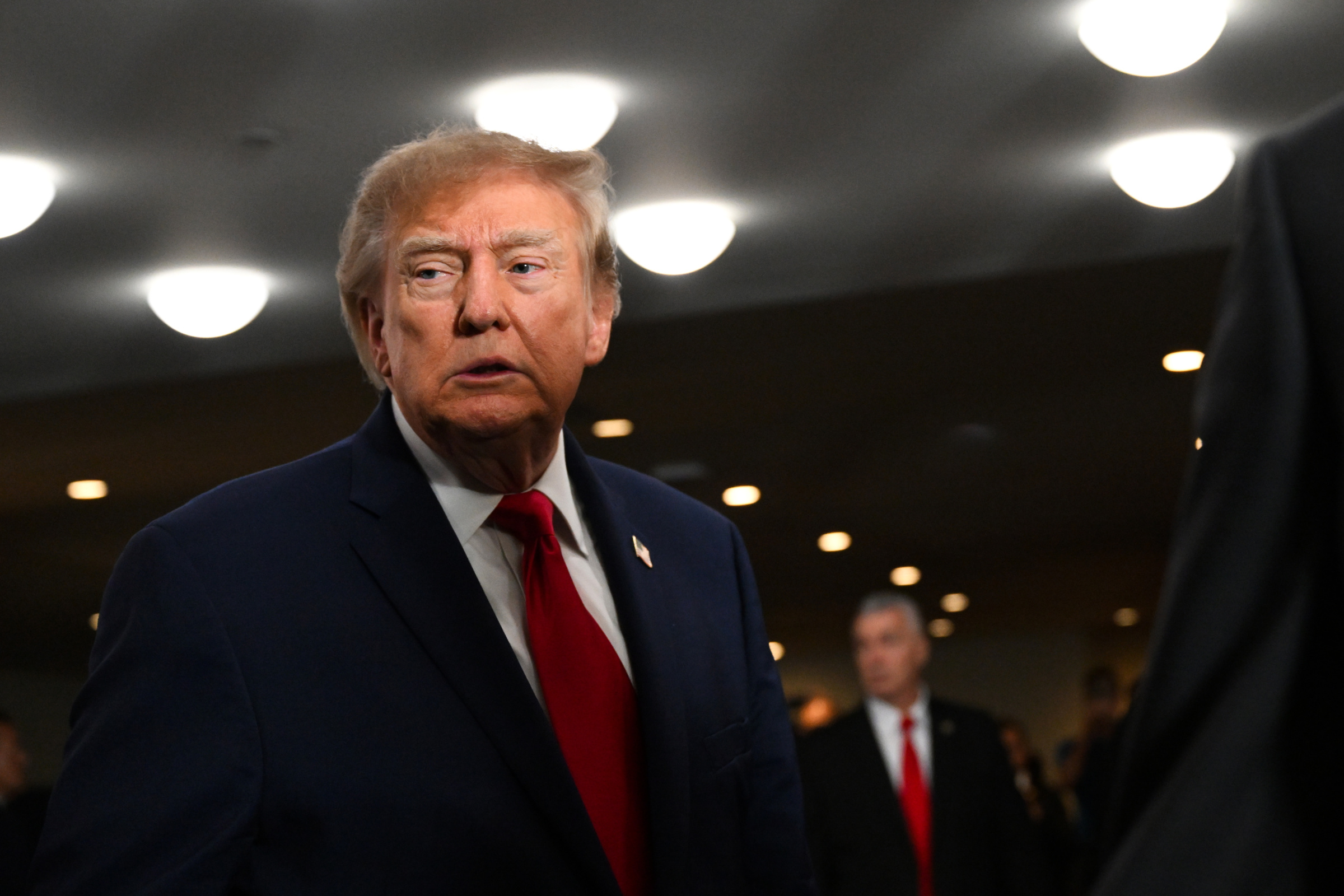
A flurry of emojis and a brief caption on Truth Social sent the nation into a frenzy this past Monday, as the former president made an unprecedented vow to shoulder the cost of his own campaign advertisements. The move, announced by a post that read simply “The Radical Left is upset with the fact that I am taking Ads, which I consider,” ignited a firestorm of criticism across the political spectrum. In a single swipe, Trump said that MAGA Inc., the super PAC he founded, would cover the expense of television spots that the White House had previously bought with taxpayer dollars.
The decision came after a growing chorus of complaints about the government’s use of public funds to promote the sitting president. For years, members of the Trump administration had purchased airtime to broadcast endorsements, policy messages, and calls to action, all paid for by the U.S. Treasury. Critics argued that the public should not shoulder the financial burden of political advertising, while supporters countered that the ads were a legitimate means of communicating policy priorities. The latest announcement, however, seems to suggest that Trump is now taking full responsibility, but at a cost that could reshape the political landscape.
In the age of instant media, a single Truth Social post can ripple through every platform, turning a policy shift into a national spectacle. Trump’s declaration has already sparked a tidal wave of reactions—from the staunchest defenders to the most vehement detractors—each accusing the other of hypocrisy, opportunism, or betrayal. The former president’s move has raised questions about the future of campaign financing, the role of taxpayer money in politics, and the very nature of political accountability.
Background & Context
The use of taxpayer money to fund presidential advertising dates back to the early 2000s, when the federal government began purchasing spots to inform the public about executive actions. The practice intensified during the Trump administration, which saw the White House buying large blocks of television airtime to promote a wide array of messages: from “Keep America Great” slogans to specific policy initiatives. The total cost of these purchases exceeded $30 million, a figure that was quietly absorbed by the federal budget.
Trump’s decision to shift the financial burden to his own super PAC marks a significant departure from previous practice. MAGA Inc., created in 2018, has long served as a conduit for funding Trump’s political activities, amassing millions of dollars from donors who want to support his brand. By tapping into those resources, the former president claims that he can avoid further burdening the public purse while still reaching a broad audience. This pivot also reflects a broader trend among conservatives who argue that campaign spending should be privately funded, free from the scrutiny that accompanies taxpayer-funded initiatives.
Yet the timing of the announcement—on the anniversary of the first public broadcast of a presidential message that cost the Treasury—has not gone unnoticed. The post was published at 8:04 p.m. local time, a strategic moment when the evening news cycle was primed to pick up the story. Within minutes, political commentators and pundits dissected the implications, and the conversation shifted from mere cost-cutting to a deeper debate about the ethics of public funds in advertising.
What People Are Saying
The political backlash was almost instantaneous. Democratic lawmakers called the move “an act of defiance against democratic norms” and accused Trump of “manipulating the system for personal gain.” In a statement, a prominent senator criticized the former president’s reliance on private donors, emphasizing that “public money should never be used to promote partisan messaging.” The senator’s words struck a chord among progressives, who fear that the new arrangement will allow the former president to continue wielding influence without accountability.
Meanwhile, Trump’s own ranks erupted with mixed responses. Some staunch supporters praised the shift as a “bold step toward restoring America’s voice,” arguing that the new funding model would reduce the perception of corruption. Others, including several moderate Republicans, expressed discomfort. A senior adviser in a Republican office noted that the new policy could alienate donors who are wary of funding political messaging, potentially impacting future campaign finances.
The public reaction was equally polarized. Social media lit up with a flurry of memes, with users sharing clips of Trump’s post, adding their own commentary, and challenging his claims. A handful of political analysts warned that the move could set a precedent for future administrations, encouraging a “private-political advertising” model that might blur the lines between public service and partisan advocacy.
In contrast, some commentators argued that Trump’s willingness to shoulder the cost shows a willingness to make amends for past missteps. They pointed out that the decision could be interpreted as an attempt to defuse further criticism by demonstrating a commitment to fiscal responsibility. Still, the broader conversation remains steeped in skepticism, as many question whether the new arrangement truly eliminates the influence of taxpayer money on political messaging.
What Happens Next
The practical implications of this announcement are already unfolding. First, the federal government will need to amend its procurement procedures to reflect the change in funding source. The Department of Defense, which traditionally oversees large media purchases for the White House, will be instructed to accept invoices from MAGA Inc. This administrative shift will likely trigger an internal audit, as agencies must ensure compliance with federal spending regulations.
Second, the political ramifications will reverberate across the upcoming midterm elections. If Trump’s model gains traction, other candidates may follow suit, potentially leading to a wave of privately funded advertising that could outpace public spending. Political strategists will be watching closely, analyzing how this could influence voter outreach, message framing, and ultimately, election outcomes.
Finally, the legal landscape remains uncertain. Critics have already hinted at potential investigations into whether the new arrangement violates federal law. While no immediate legal action has been announced, the possibility of an inquiry into the legality of using private money for political advertising is a real threat. Should such a probe begin, it would set a precedent for future scrutiny of campaign financing and could reshape the legal framework governing political advertising.
The former president’s decision also opens the door for further political maneuvering. By announcing that he will fund patriotic ads himself, Trump has positioned himself as a champion of private enterprise and fiscal prudence—an angle that may resonate with his core base. It remains to be seen whether this rhetoric will translate into real political capital or simply fuel further polarization.
In a world where every tweet, post, and press release carries weight, Trump’s latest move is a reminder that the intersection of money, media, and politics is never static. Whether this shift heralds a new era of privately funded political advertising or merely serves as a temporary flash in the pan remains a question that the nation will be asking for months, if not years, to come.
The Bottom Line
—MyWorldPulse.com
The decision to have Trump’s MAGA Inc. foot the $30 million of TV advertising costs marks a deliberate attempt to reframe the narrative around public spending and partisan influence. While the former president frames it as a bold step toward fiscal responsibility, the optics are jarring: a private PAC now serves as the surrogate for a public service announcement, effectively turning taxpayer‑funded messaging into a campaign tool. This is a dangerous precedent that normalizes private money in the realm of official communication and dilutes the safeguards designed to keep political messaging separate from governmental endorsement. The move also undermines the public’s trust in transparent use of funds, as the line between policy communication and political persuasion becomes increasingly opaque. As the political fallout grows, we expect regulatory bodies to intensify scrutiny and possibly institute new oversight mechanisms. Until then, the electorate must remain vigilant about the source of the messages that shape public opinion, demanding clarity and accountability from both the executive branch and the political operatives it allies with.
Reference:
- Official post on Trump's verified Truth Social account
Read more celebrity news at MyWorldPulse.