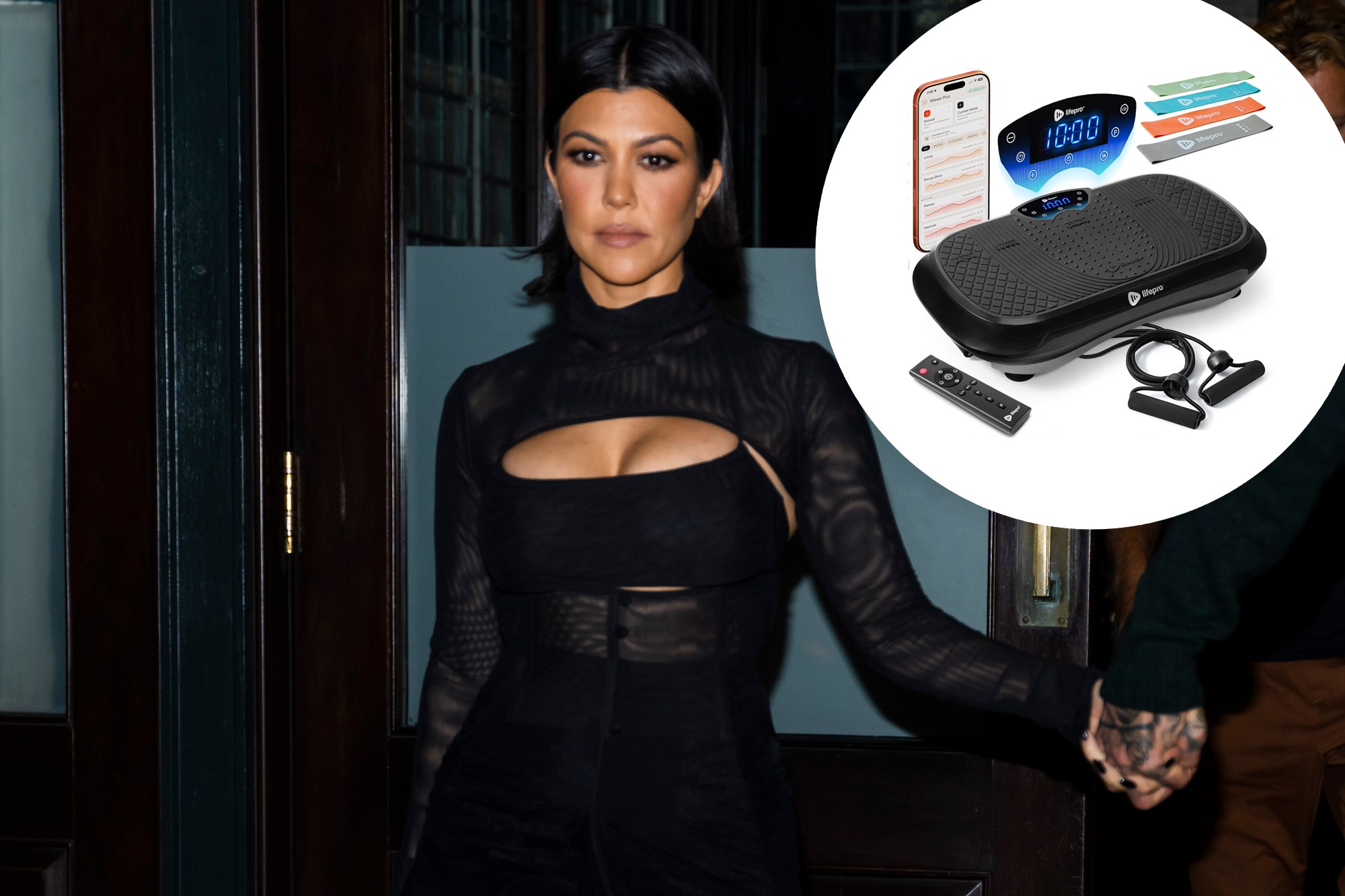
The buzz that erupted when Kourtney Kardashian’s Poosh gift guide slipped into inboxes on Black Friday was immediate and electric. Amid the flurry of “doorbuster” tech and fashion deals, a sleek, humming machine stole the spotlight— a vibration plate that promises a full‑body workout in a fraction of the time it takes to hit the gym. The price, originally hovering between $350 and $400, dropped to a jaw‑dropping $50 savings, turning a premium wellness gadget into an almost everyday accessory.
At the same time, Audible, the audiobook titan, announced a headline‑grabbing offer: a $12.99 monthly subscription trimmed to a single dollar for the holiday season. The move, timed for the digital shopping wave that culminates in Cyber Week, signals a shift in how media companies are courting casual listeners and loyal audiophiles alike.
These two promotions, though rooted in different sectors—fitness equipment and audio streaming—mirror a broader trend where influencer credibility and aggressive pricing converge to accelerate consumer adoption. In the weeks that follow, both brands will be measured not just by sales but by how they reshape customer habits and industry standards.
Background & Context
Vibration plates have evolved from niche gym equipment to mainstream household gadgets over the past decade. Initially championed by high‑profile athletes for post‑workout recovery, the technology harnesses rapid oscillations to induce muscle contractions, mimicking the effects of resistance training without heavy weights. By 2022, the market had exploded with models ranging from budget handheld units to sleek, home‑ready platforms with programmable settings. The Poosh‑featured plate—touted as a “compact powerhouse”—offers up to 50 intensity levels, Bluetooth connectivity, and a minimalist design that blends into modern living spaces.
Kourtney Kardashian’s endorsement is significant because Poosh, her wellness brand, has built a reputation for marrying celebrity influence with evidence‑based health advice. Her praise for the vibration plate—highlighting its versatility for “strength, flexibility, and recovery” routines—resonates with a generation that prioritizes quick, efficient workouts. The $50 discount, announced as part of a Black Friday “gift guide” launch, arrives at a moment when retailers are vying for consumer attention in a saturated digital marketplace.
On the audio front, Audible has long been a leader in the audiobook and podcast realm. The company’s subscription model—tiered by monthly or annual plans—has successfully tapped into the on‑the‑go consumption pattern that modern listeners demand. The single‑dollar promotion represents a strategic push to lower the barrier to entry for a broader audience. Historically, subscription platforms have used similar tactics during holiday periods: for instance, Spotify’s “Free for 30 days” trial and Apple Music’s $1/month offer during Black Friday 2021. These limited‑time deals often generate a surge in sign‑ups that, if retained, translate into long‑term revenue.
The convergence of influencer‑driven product placements and subscription pricing experiments underscores a shift in retail and media dynamics. Consumers increasingly equate celebrity endorsements with authenticity, while platforms look for creative ways to disrupt subscription fatigue. Black Friday, which began as a way for retailers to clear inventory in the 1960s, has transformed into a global digital phenomenon where the first two weeks of December see 30% of e‑commerce sales. The timing of these offers taps into that consumer psychology: urgency, perceived value, and the social proof of a celebrity or a well‑known platform.
What People Are Saying
The internet erupted within hours of the announcements. Instagram reels featuring the vibration plate showcase people standing on the platform, eyes closed, while upbeat music plays. Caption threads often echo Kourtney’s words: “I love how many different ways you can use this.” Users highlight workouts ranging from core strengthening to joint mobility drills, often pairing the device with home‑gym setups. Threads on Reddit’s r/Fitness have debated the efficacy of vibration training, with some users citing studies that support benefits like increased muscle activation and improved circulation. The $50 discount was quickly branded as a “steal” by community members who had been eyeing the device for months.
Meanwhile, Audible’s single‑dollar deal sparked a parallel wave of excitement across Twitter and Facebook. Subscribers posted screenshots of their new monthly plan, while podcasters expressed optimism about a potential influx of listeners during the holiday season. A notable conversation unfolded on the podcasting subreddit, where creators discussed how a lower price point might increase exposure for indie shows. Industry analysts on LinkedIn weighed in, noting that Audible’s move could accelerate the platform’s transition from a premium niche player to a mass‑market audio brand.
Both sets of reactions reveal a common sentiment: consumers appreciate a tangible, credible endorsement paired with a meaningful price cut. In the case of the vibration plate, the allure lies in the promise of professional‑grade training at a fraction of the cost. For Audible, the appeal is in the democratization of access to a vast library of audio content for just a dollar a month. Social media chatter also highlighted practical considerations—such as shipping time and customer support—factors that often decide whether a Black Friday bargain turns into a long‑term purchase.
Beyond the individual fan base, influencers and brand ambassadors began to incorporate the vibration plate into their own content, posting workout challenges that encouraged followers to try it for themselves. Audible’s promotion, in turn, led to a surge of “first‑time” listeners posting about their discovery of hidden gems within the platform. The resulting organic traffic amplified both brands’ visibility, underscoring the symbiotic nature of influencer marketing and price‑driven campaigns.
What Happens Next
Both offers are designed to be fleeting, a tactic that leverages scarcity and urgency to prompt immediate action. The vibration plate discount expires at the end of the Black Friday weekend. Manufacturers and Poosh have urged shoppers to act fast, citing limited inventory and the risk of supply chain bottlenecks that have plagued the industry during peak holiday periods. Retailers like Amazon, Best Buy, and direct brand sites have highlighted “last chance” alerts to capitalize on the rush.
Audible’s single‑dollar subscription runs through the first week of Cyber Week, after which the price reverts to the standard $12.99 monthly fee (or the annual rate, depending on user preference). Audible’s strategy likely hinges on converting trial users into paying subscribers once the promotional period concludes. The company will track engagement metrics—such as average listening time, number of chapters read, and repeat downloads—to gauge retention. If the data supports sustained engagement, Audible may extend a similar offer or roll out targeted discounts to new users in subsequent months.
From a broader industry perspective, these deals set a benchmark for cross‑sector promotional tactics. Fitness equipment brands may look to replicate the influencer‑driven, limited‑time discount model, while audio platforms may test more aggressive entry‑price experiments. Retail analysts anticipate that such collaborations will become increasingly prevalent as brands seek to differentiate themselves in a crowded holiday market. For consumers, the path forward is simple: the vibration plate can be purchased through major e‑commerce sites, where Poosh offers instructional videos and user guides. Audible subscribers can access the app on iOS, Android, and web, choosing a plan that best suits their listening habits after the introductory period.
The long‑term implications could include a shift toward “try before you buy” purchasing strategies, not only for hardware but also for subscription services. Brands may invest more heavily in real‑world demonstrations, leveraging user‑generated content to bolster authenticity. In the fitness space, the success of the vibration plate may prompt more manufacturers to partner with wellness influencers to create “home‑gym” ecosystems that marry technology and lifestyle branding. In the media realm, Audible’s experiment may influence competitors to rethink their pricing structures, potentially leading to a broader democratization of premium content access.
In the whirlwind of holiday shopping, these two promotions stand out as emblematic of how celebrity endorsement and strategic pricing can coalesce to create a win‑win for brands, platforms, and consumers alike. As the season ends, industry watchers will be watching closely to see if the temporary price cuts translate into lasting customer relationships and new standards for seasonal deals.
Read more celebrity news at MyWorldPulse.