33‑year‑old Tinashe’s Popstar Signals Bold Shift, Says She’s Self‑Assured
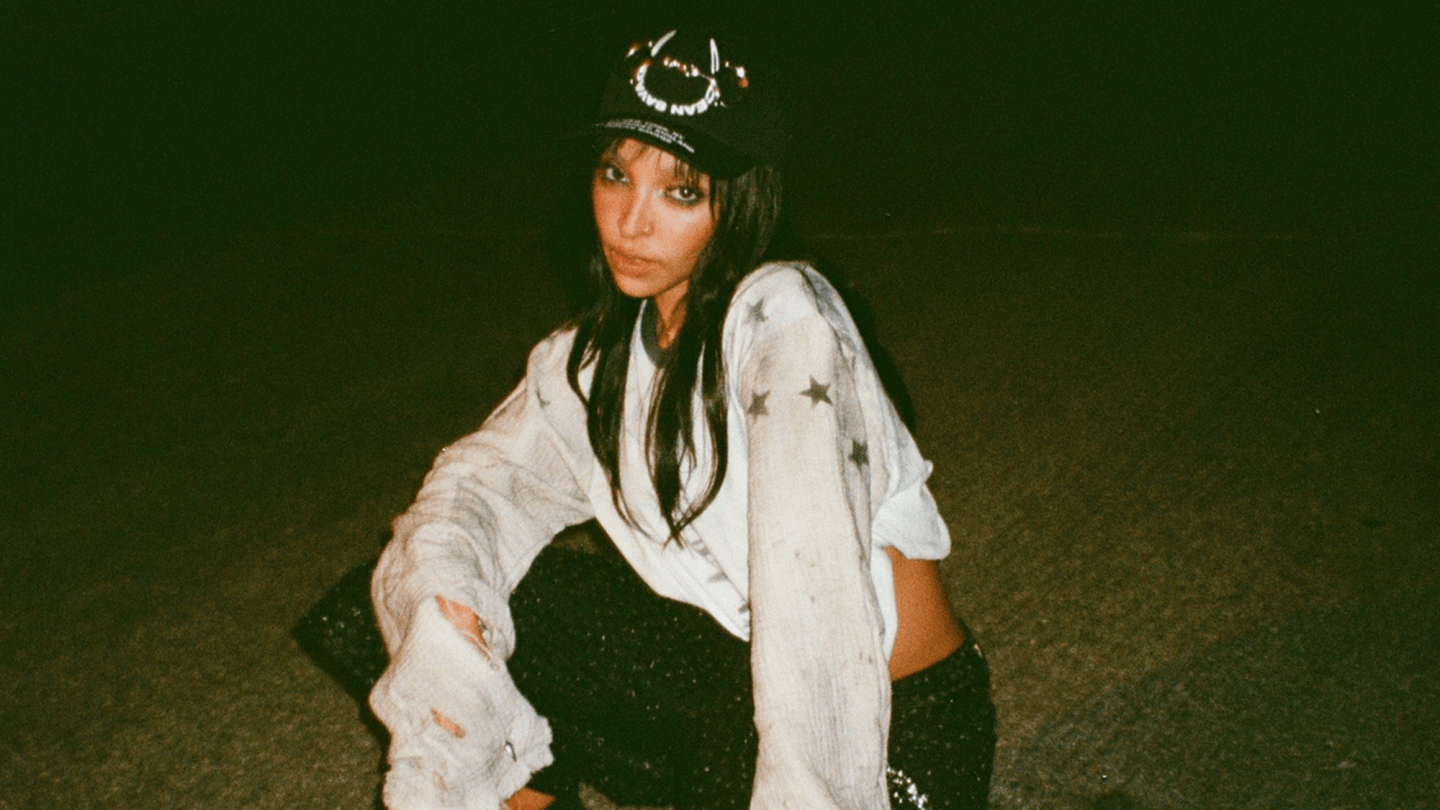
In a quiet announcement that reverberates across the music scene, 33‑year‑old Tinashe declared that her upcoming album, Popstar, marks a decisive turn in her artistic journey. The R&B‑pop veteran, whose career has been defined by inventive collaborations and a penchant for blending styles, described the new project as a moment of unshakable confidence. “I feel very self‑assured and confident,” she said, underscoring a confidence that has, for years, driven her to question the boundaries of pop and reinvent herself within it.
The impact of Tinashe’s announcement extends beyond the release of a new record. It signals a broader movement in the music industry where artists are increasingly redefining the meaning of “pop” for themselves, stepping away from the rigid genre classifications that once dictated their commercial strategy. In a climate where the lines between R&B, hip‑hop, pop, and electronic music blur, Tinashe’s candid embrace of her own identity as a “Popstar” may inspire other artists to prioritize authenticity over label‑prescribed imagery.
The anticipation around Popstar is fueled not only by the star’s storied past but also by her recent history of reinvention. After a six‑year hiatus that saw her shift focus to writing, fashion, and her own label, Tinashe’s return feels like a homecoming for a performer who has consistently challenged the status quo. In a market that increasingly values cross‑genre innovation, her new album may become a blueprint for artists seeking to break free from the constraints of industry expectations.
Background & Context
Tinashe Sampaio first burst onto the scene as a teenage dancer in a Beyoncé music video, quickly transitioning into a solo career that blended hip‑hop swagger with pop sensibilities. Her debut studio effort, Afrodisiac (2014), delivered a sound that was simultaneously infectious and experimental, with tracks like “2 On” showcasing her vocal agility and a penchant for sonic layering. That early work earned her a reputation as an “underdog” who could push musical boundaries while still appealing to mainstream audiences.
Following Afrodisiac, Tinashe released Hyperion in 2017, a project that leaned heavily into trap and R&B while retaining pop hooks. The record, though critically noted for its ambition, suffered from mixed commercial performance—a common challenge for artists who resist easy categorization. In the years that followed, she collaborated with a diverse roster of musicians, from Jhené Aiko to the late Pharrell, and took a step back from recording to focus on songwriting for other artists and building her own record label, 30th Century Records.
The industry landscape during Tinashe’s hiatus has undergone a seismic shift. Streaming platforms have democratized distribution, allowing niche artists to reach global audiences without label support. Simultaneously, social media has amplified the importance of personal branding, forcing artists to cultivate an authentic narrative that resonates with listeners on a deeper level. It is against this backdrop that Tinashe’s statement about feeling “self‑assured” takes on added significance: she appears poised to align her personal identity with her artistic output, a move that may resonate strongly in an era where the authenticity of the artist is as marketable as the music itself.
Her previous releases, notably the single “We Can’t Move On” (2019) and the 2021 EP Honeysuckle, showcased her willingness to experiment with minimalism and introspective lyricism—an approach that has now culminated in Popstar. By framing the album within her own narrative rather than a corporate framework, Tinashe is positioning herself as a curator of her own legacy.
What People Are Saying
Industry insiders have noted that Tinashe’s shift away from the conventional “pop star” label reflects a growing trend among artists who seek to own their narrative. Some commentators point to her candidness as a blueprint for creative autonomy in an environment that often commodifies identity. The music community has responded with a mixture of excitement and skepticism, as fans who remember her earlier work anticipate a return to her signature style while also hoping for fresh sonic experiments.
Among the online community, the conversation has gravitated toward Tinashe’s past collaborations with prominent names. Fans of her work with Beyoncé, for instance, recall how the pop star’s presence in a high‑profile video served as a launchpad for a career built on experimentation. Others point to her songwriting for artists such as R. Kelly and Ariana Grande, illustrating a versatility that has allowed her to navigate various sub‑genres while retaining a core musical identity. The dialogue extends to the broader conversation about how artists in the current era can navigate between staying relevant and remaining true to themselves.
The critical community has weighed in with a nuanced perspective, praising Tinashe’s willingness to challenge genre conventions. Reviewers have highlighted the album’s potential to bridge the gap between mainstream pop sensibilities and the edgier, more autonomous side of contemporary R&B. Some critics have expressed concern that a self‑assertive label could alienate listeners who appreciate the fluidity of her earlier work. Yet, even as debates continue, the consensus acknowledges that Tinashe’s approach exemplifies a broader movement in which artists are reimagining what it means to be a pop star in a world that prizes authenticity over marketability.
Moreover, industry analysts see Tinashe’s new direction as a strategic maneuver. With streaming metrics suggesting that listeners increasingly favor genre‑less playlists, her emphasis on personal brand could translate into increased engagement. By positioning herself as the architect of her own sound and image, she is better equipped to negotiate licensing deals, cross‑promotions, and partnerships that align with her values, rather than with a label’s commercial agenda.
What Happens Next
As the release of Popstar approaches, the next steps for Tinashe involve a careful orchestration of promotion that honors both her artistic integrity and the commercial realities of the music industry. A series of teaser clips, behind‑the‑scenes footage, and lyric videos are expected to build anticipation, while her presence on podcasts and streaming platforms will allow her to elaborate on the creative process behind the album.
The album’s marketing strategy will likely integrate both conventional and unconventional channels. Tinashe has already demonstrated a knack for collaborating with visual artists and designers, suggesting that the rollout may include striking visual content that aligns with her brand. Partnerships with streaming services—especially exclusive listening parties or curated playlists—could amplify reach, capitalizing on the current trend of platform‑centric promotion.
From a tour perspective, it is plausible that Tinashe will plan a selective concert series that focuses on intimate venues or select large‑scale festivals. Such a model would allow her to maintain the personal connection she has cultivated with her audience while ensuring logistical feasibility. If Popstar succeeds commercially, a broader tour may follow, further solidifying her position as a versatile performer capable of drawing crowds across genres.
The long‑term impact of Tinashe’s bold repositioning may also extend to her work behind the scenes. Having established her own label, she may use Popstar as a platform to showcase emerging artists who share her ethos of genre fluidity. By leveraging her credibility and experience, she could influence the next generation of musicians, fostering a community that values artistic autonomy over label directives.
In the broader context of the music business, Tinashe’s announcement could trigger a ripple effect. Artists who have historically felt constrained by the “pop star” label might find inspiration in her confidence, prompting a wave of self‑definition that reshapes how the industry categorizes talent. The industry may respond by adjusting marketing strategies, allowing for more artist‑driven narratives and fostering environments where musicians can experiment without the pressure to fit a predefined mold.
Ultimately, Popstar represents more than a new record; it is a statement of identity that challenges long‑standing industry norms. Whether the album’s reception confirms Tinashe’s confidence remains to be seen, but the conversation it has already sparked points toward a future where authenticity and innovation hold equal weight in the music business.
As the world turns its attention to the next chapter of Tinashe’s career, one thing is clear: she has set a precedent that the concept of a pop star can evolve—anchored not by a label’s vision but by an artist’s unwavering self‑confidence.
The Bottom Line
At MyWorldPulse.com, we see Tinashe’s bold pivot as a watershed moment for artists and industry alike. By declaring Popstar a self‑assured venture, she challenges the antiquated notion that pop must fit a preset mold. This move encourages artists to reclaim ownership of their sound, image, and narrative—an imperative that aligns with today’s consumer appetite for authenticity. Labels that continue to rely on cookie‑cutter pop formulas risk alienating a generation that values genuine expression. Conversely, those who adapt to this new paradigm will find richer, more sustainable engagement with audiences. Tinashe’s path illustrates that confidence, not conformity, can be the greatest asset in an era where music transcends genre boundaries and connects directly with listeners’ identities. We applaud her courage and anticipate that Popstar will inspire a wave of musicians to redefine what it means to be a pop star in the 21st century.
—MyWorldPulse.com Editorial Team
Reference:
- Official post on Tinashe's verified Instagram account
Read more celebrity news at MyWorldPulse.