When a comedian’s opening joke lands on a network’s prime‑time stage and sparks an overnight storm, the ripple hits everyone from writers to viewers, proving that the line between satire and shock is thinner than a razor blade and thicker than the ego that sits on top of it.
Background & Context
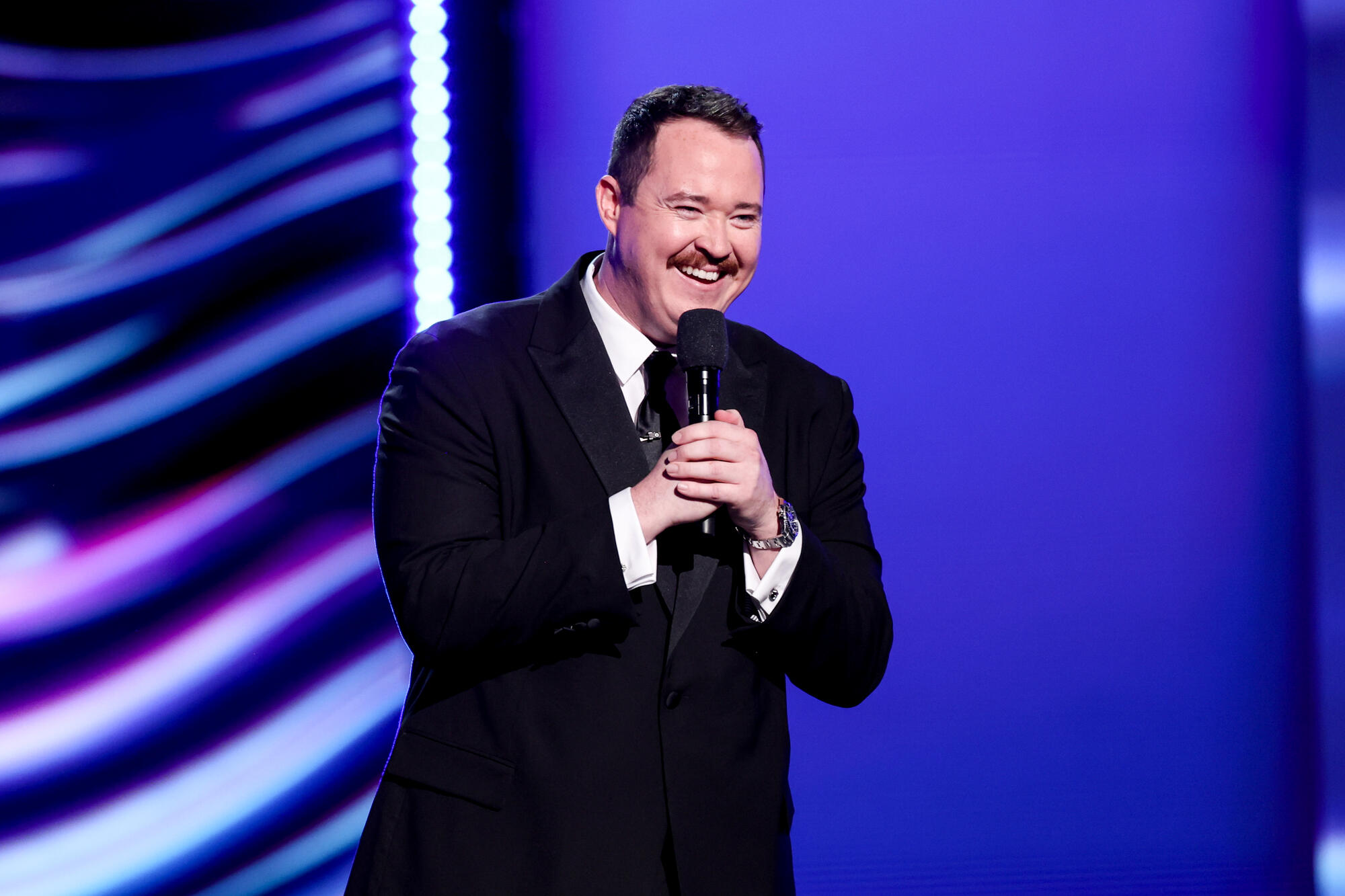
On the evening of October 10, the long‑running sketch‑show delivered a fresh face in its hosting roster: comedian Shane Gillis, who made a name on stand‑up stages across the country. His monologue opened with a reference to women’s gym attire, describing it in a way that many listeners interpreted as misogynistic. Within hours, the internet erupted, hashtags and screenshots populating feeds that ran the gamut from “uncomfortable” to “unacceptable.” While the show’s producers and network executives have, in the past, handled controversy with a mix of swift apologies and public defenses, Gillis’s comments forced a conversation about the very gatekeeping mechanisms that decide what gets on air.
SNL, whose legacy rests on its ability to riff on culture, also relies on a rigorous approval process. Scripts are written, refined, and sent through a chain of producers, writers, and network executives before a performer can read them live. This system is designed to catch the worst, but the very fact that Gillis’s monologue slipped through shows that even seasoned platforms can misfire. In a recent interview on a popular podcast, the comedian remarked that he didn’t write the set with the network’s approval in mind, explaining that “you don’t write your set and give it to them unless you’re not a comedian.” The punchline: the show’s standard filters did not catch a line that would later incite backlash.
The incident also reflects a broader shift in how audiences now interact with broadcast content. In an era where a single tweet can turn a joke into a viral controversy, the pressure on live comedy to remain “safe” or “inclusive” is higher than ever. Meanwhile, the comedy community still fights for the freedom to explore darker or more provocative material, which sometimes clashes with mainstream expectations.
What People Are Saying
The reaction from the online community was swift. Twitter, Reddit, and Instagram users flooded their feeds with screenshots of the offending joke, paired with call‑outs that ranged from mild rebuke to outright condemnation. Some fans defended Gillis, pointing out the age of satire and its historical context; others argued that the joke perpetuated a harmful stereotype about women in fitness environments.
Industry observers noted that the backlash, while intense, was not unprecedented. SNL has historically hosted controversial monologues—think of the infamous 2004 “Shower” sketch with Jay Leno, or the 2013 “The Dark Knight” reference that made headlines. What set the Gillis episode apart was the speed and scale of the response. The show’s social media team responded with a brief statement that the monologue was “not intended to offend.” Critics, however, argued that the response was too soft, lacking a substantive apology or a plan to prevent future missteps.
Gillis himself reflected on the episode in a November 13 interview on a popular podcast. He admitted being “surprised” by the backlash, but clarified that he “doesn’t have a problem” with how women dress at the gym. He emphasized that his intention was to mock a broader cultural phenomenon rather than target a specific demographic. In the same conversation, he explained that he had given the monologue a “solid C minus” rating—a candid self‑assessment that suggested the joke was neither a masterstroke nor a total disaster, but somewhere in between.
Comedy insiders point out that Gillis’s approach illustrates a recurring tension between a comedian’s creative voice and the network’s brand. When a joke goes over the line, the network must weigh the potential loss of viewership against the risk of alienating a core fan base. In the age of streaming, audiences can leave a show instantly, making the stakes higher than they were in the 1990s.
What Happens Next
In the days following the backlash, SNL’s production team pulled back to review the monologue’s approval process. While no public announcement details specific policy changes, insiders suggest that the writers’ room will conduct a “full review” of all upcoming scripts. This could mean tighter guidelines for content that touches on gender or other sensitive topics. Some producers are reportedly exploring a more collaborative approach, where comedians and writers meet early to discuss potential risks before the script is finalized.
Shane Gillis has already begun to shape his next move. Reports say he is in talks with other networks and streaming platforms, where the standards for content are different. He also hinted at a forthcoming stand‑up special that would address the incident directly, acknowledging the misstep but promising to deliver more nuanced humor.
From an industry perspective, the incident underscores the fragility of live television in a digital age. Even seasoned shows like SNL must constantly adapt to an audience that can scrutinize a joke in real time. That means expanding oversight mechanisms, embracing more diverse voices in the writers’ room, and perhaps most importantly, recognizing that a single line can alter a show’s trajectory.
The backlash also signals a shift in how comedy is being measured—not just by ratings or critical acclaim, but by how it navigates the social media landscape. Audience sentiment now travels at lightning speed, making it essential for networks to be as quick in response as they are in production.
In the broader context, the episode serves as a micro‑study of the evolving relationship between comedians and the platforms that broadcast them. As comedy continues to push boundaries, the risk of backlash will grow. But with it comes the opportunity for platforms to refine their policies, for comedians to learn the fine line between provocation and offence, and for audiences to engage more thoughtfully with the content they consume.
The next monologue, whatever it may be, will likely carry the weight of this lesson. Whether the industry will learn to protect its creative talent while respecting the sensibilities of a digital‑first audience remains to be seen. For now, the only thing certain is that comedy will keep its mirrors in the spotlight—sometimes cracked, always reflective.
The Bottom Line
MyWorldPulse.com View: The Shane Gillis episode is a wake‑up call for every comedy platform that still operates under the assumption that humor is a free‑for‑all playground. The backlash reveals a disconnect between a writer’s intent and a network’s brand guardianship. While comedians thrive on pushing boundaries, the modern audience is not only more sensitive but also more vocal—every joke that touches on identity politics or gender can be amplified by millions of tweets in seconds. This is not a call for censorship, but for better communication between writers, performers, and executives. Networks need to embed cultural‑competence checks into their approval processes, ensuring that jokes, even if meant as satire, are vetted for unintended harm. Simultaneously, comedians must be willing to engage with the audience’s concerns and refine their craft without diluting their voice. Only by striking this balance can comedy continue to be both provocative and respectful, keeping the spotlight on the art itself rather than on defensive PR stunts.
Reference:
- Shane Gillis’ official Twitter post announcing his next stand‑up special
- SNL’s official Facebook post stating the monologue was ‘not intended to offend’
Read more celebrity news at MyWorldPulse.