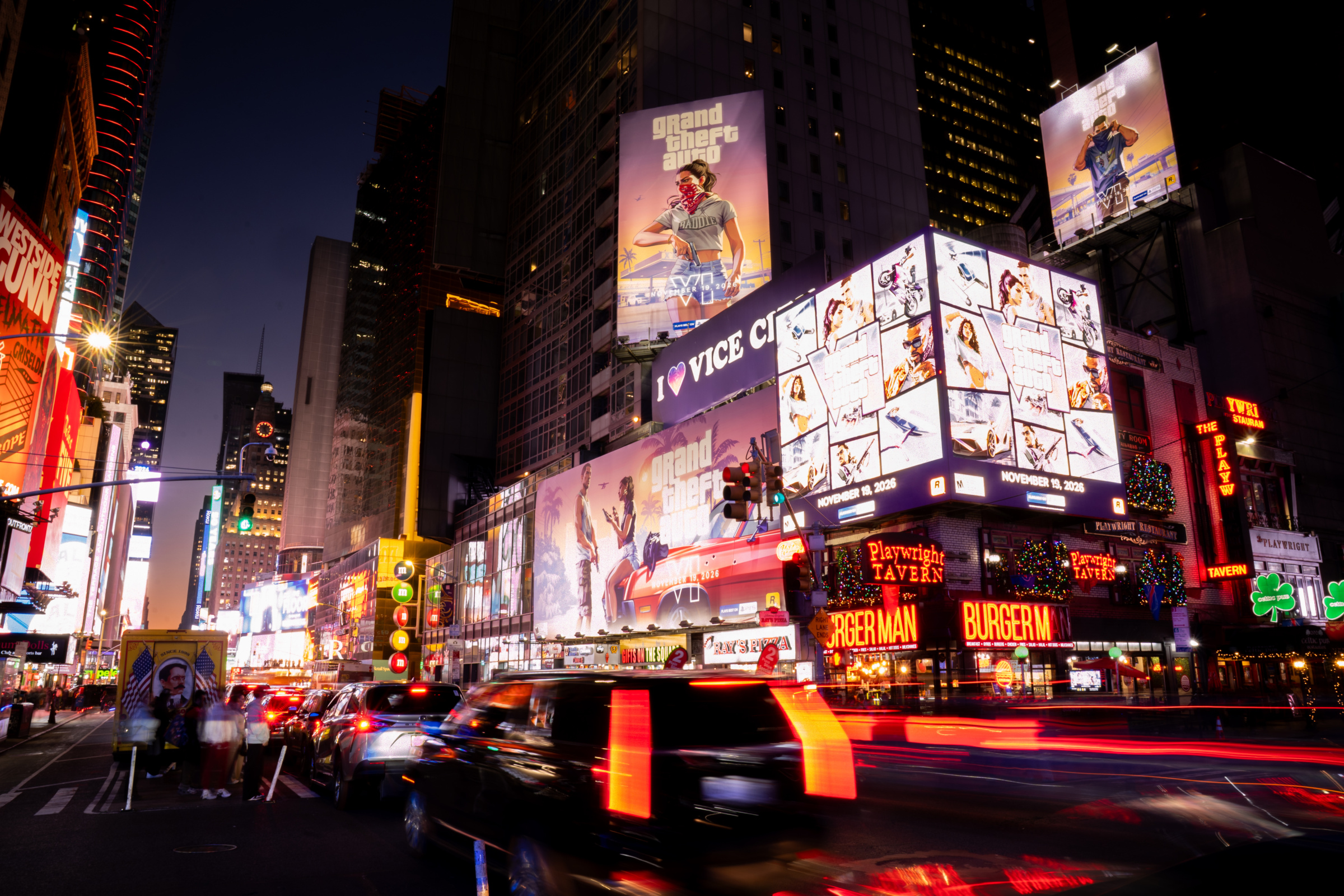
The roar of engines in Vice City is louder than the murmur of a Broadway stage that, in the same span of a day, was forced to swallow its own reflection after a contentious job advertisement slipped past its filters.
When the latest installment of the Grand Theft Auto series opened its digital gates at midnight, the world was ready to pay for the next chapter of a franchise that has defined the open‑world genre for over two decades. Within the first twenty‑four hours, the game pushed the $2 billion sales threshold, a figure that speaks both to the brand’s enduring pull and the relentless appetite of its fan base for fresh, immersive storytelling.
At the same time, the theatrical community woke to a different kind of alarm. Playbill, long known as the pulse of Broadway, issued an apology after a job listing for “comedic singers” to perform in a production titled “George Floyd The Musical” was mistakenly approved and posted. The label behind the production, Busted Broadway, is celebrated for its avant‑garde approach, but the listing struck a nerve, exposing cracks in the vetting process of a platform that many rely on for professional opportunities.
Background & Context
Grand Theft Auto VI is the most hyped release since its predecessor debuted in 2013. After a second delay, Rockstar Games has spent years teasing new locations, a revamped physics engine, and a deeper narrative. The game’s launch in a stylized Florida setting, echoing the infamous Vice City, was accompanied by an aggressive marketing push that leveraged social media, celebrity endorsements, and a series of short films that teased the storyline. The $2 billion milestone comes not just from retail sales but also from a robust digital ecosystem that includes downloadable content, micro‑transactions, and a subscription tier that grants early access to future updates.
In contrast, Playbill’s job board has long served as a marketplace where unions, theatres, and independent producers post casting calls and behind‑the‑scenes vacancies. The platform charges $39.95 for standard listings, with an additional $10 for specialized categories. The listing in question was posted by Busted Broadway, an independent label founded in 2025 by composer Kevin Lynch, known for its “too ridiculous” approach to musical theatre. The organization’s aim to “lift up this community with empathy, consideration, and respect” is undermined by the inappropriate content of the job post, which called for performers in a musical that critics said played into divisive themes without sufficient context.
Both events highlight the friction that can arise when creative industries confront the demands of mass consumption and evolving cultural sensibilities. While the video game industry operates on a massive global scale with billions of dollars at stake, the theatre world is more intimate, and any misstep can feel personal to the community it serves.
What People Are Saying
Gamers flooded online forums, streaming platforms, and social media with praise for the game’s detail and narrative ambition. Even seasoned critics who had previously questioned Rockstar’s reliance on nostalgia remarked on the fresh voice GTA VI brings, noting that the gameplay and economic model still deliver the chaotic fun that made the series iconic. The $2 billion figure has become a benchmark, sparking speculation about how long the momentum will last and whether future titles can sustain such high expectations.
Meanwhile, the theatrical community expressed a mix of disappointment and concern. Many praised Playbill’s swift removal of the listing and its commitment to revamping approval processes, but others argued that the platform’s filtering mechanism was fundamentally flawed. Some fans pointed to similar controversies in the past, highlighting the need for a deeper cultural competency review in job postings. A thread on a popular theatre forum compared the situation to the rise of off‑Broadway productions that push the envelope, noting that the backlash over “George Floyd The Musical” is a reminder of the fine line between artistic freedom and sensitivity.
The two reactions, while distinct, both underline the evolving expectations placed on large entertainment platforms. Whether it is the digital marketplace of a blockbuster video game or the more traditional, yet rapidly modernizing, job board for theatre, audiences now demand transparency, accountability, and a consistent standard that respects both creative vision and cultural context.
What Happens Next
In the weeks following the launch, Rockstar Games is poised to roll out its first major downloadable content package, a move that is expected to bolster sales further and keep the community engaged. Analysts predict that the initial surge may gradually taper, but the company’s marketing team plans a multi‑tiered approach that includes live‑action events, cross‑promotions with other media, and an early‑access subscription that could push the total revenue for the first year well beyond $3 billion.
Playbill, on the other hand, has announced an overhaul of its job posting review workflow. The organization will introduce a two‑stage approval process involving a dedicated compliance team, an automated flagging system for content that references sensitive topics, and a mandatory review by a diversity and inclusion officer before any listing goes live. The platform will also provide additional resources and guidelines for employers seeking to post roles, emphasizing respectful language and cultural awareness. Busted Broadway has pledged to work with Playbill to ensure that future collaborations meet the revised standards.
Both entities are learning from the day’s events. Rockstar’s success underscores the power of well‑timed, high‑quality releases, while Playbill’s misstep highlights the importance of institutional vigilance in an industry that increasingly values inclusivity. The two stories, though seemingly unrelated, serve as a reminder that in entertainment, every decision—from a line of code to a single job post—resonates across millions of eyes, ears, and hearts.
The next chapter for GTA VI is likely to be another financial triumph, while for Playbill, it will be a careful reconstruction of trust, ensuring that the stage—whether virtual or physical—remains a safe and welcoming space for all performers and audiences alike.
The Bottom Line
Our view is that the entertainment ecosystem must reconcile its appetite for speed with a culture of accountability. Rockstar’s $2 billion launch is a masterclass in marketing, but it also underscores the importance of sustained quality and thoughtful engagement with fans beyond the hype cycle. Conversely, Playbill’s mistake is a stark reminder that even trusted gatekeepers can falter when their review processes lag behind industry expectations. The fallout is not merely a brand‑image incident; it signals a broader shift toward expectation of social responsibility across all content platforms. In a world where a single tweet can ignite widespread conversation, the responsibility to vet, verify, and verify again has become non‑negotiable. MyWorldPulse believes that embracing comprehensive compliance frameworks—integrating automated checks with human oversight—will be the differentiator for those who wish to maintain credibility and loyalty in the modern age of instant entertainment.
Reference:
- Official post on Rockstar Games verified Twitter account announcing GTA VI launch
- Official apology post on Playbill verified Twitter account regarding the ‘George Floyd The Musical’ job listing
Read more celebrity news at MyWorldPulse.