Last Saturday, the iconic SNL stage welcomed back a comedian who had once been pulled from the show, and this time it was a quiet, almost understated affair. Shane Gillis stepped onto the stage for the third time as host, with a musical guest in the form of Spanish pop sensation Rosalía, whose Latin‑flavored set offered a bright counterpoint to the more grounded humor that filled the night. Gillis’ performance was a mix of self‑deprecation, everyday observations, and a few sketch moments that leaned heavily on his trademark every‑man wit, but it avoided the sensational, meme‑ready gags that have marked some of the show’s most talked‑about hosts.
The episode opened with a monologue that felt like a conversation with an old friend. Gillis joked about his own awkwardness, the fleeting nature of fame, and the peculiarities of living in a city where the subway is both a lifeline and a maze. His tone was conversational, almost apologetic, a deliberate shift from the brash stand‑up style that earned him notoriety in 2019. When the audience laughed at the jokes about “trying to find a parking spot in a city that thinks parking is a myth,” it was a sign that the comedian was staying true to the relatable humor that had earned him a dedicated following.
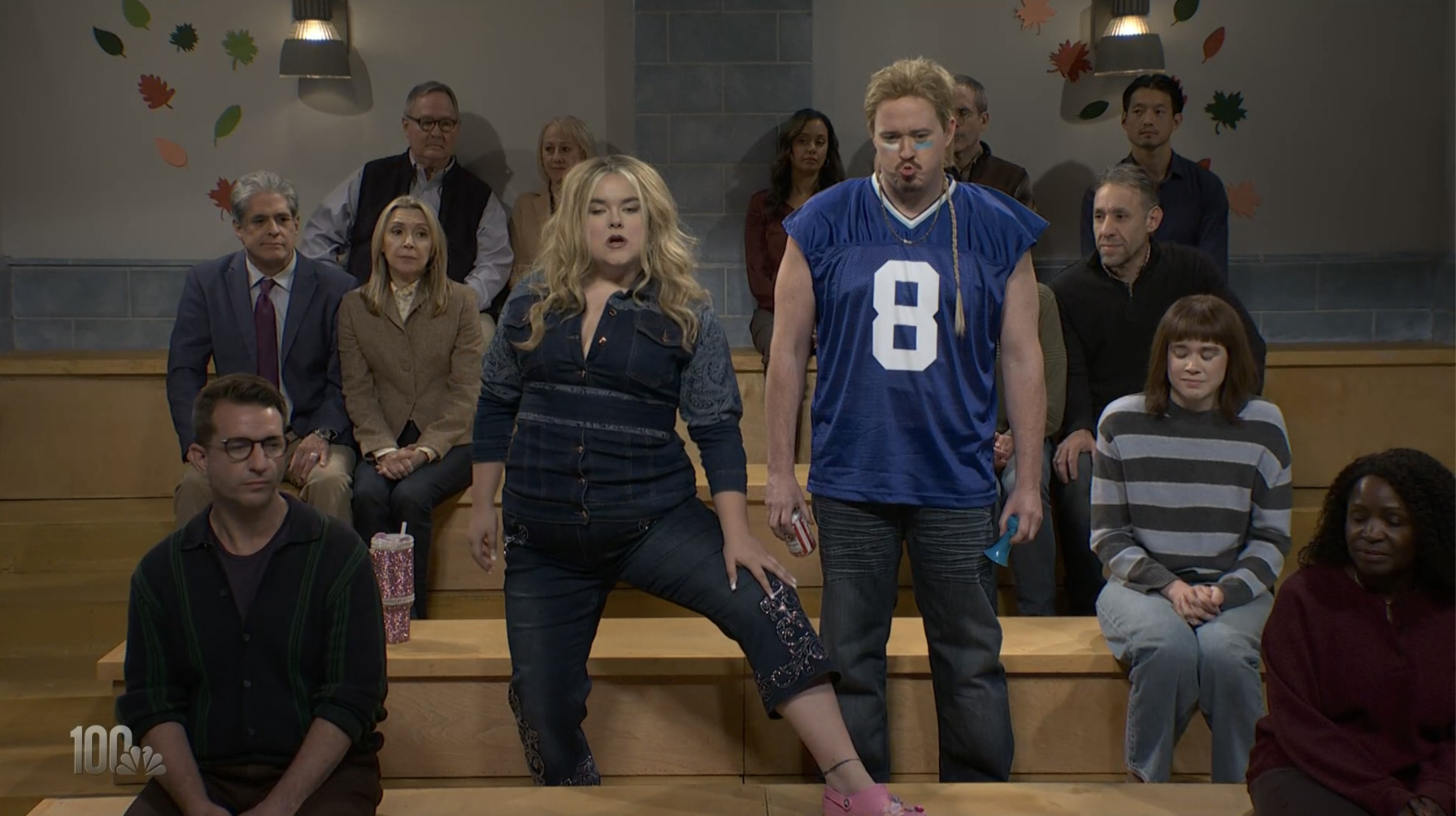
The highlight of the night was the juxtaposition of his sketch work with the musical act. While the live musical number brought an infectious energy to the stage, Gillis’ sketches—such as the awkward family dinner and the “pet name” routine that drew on inside jokes from his podcast world—remained grounded and familiar. In the end, the episode was proof of the power of a steady voice in a show that often rewards shock value.
Background & Context
Shane Gillis’ path to the SNL stage has been anything but linear. He first hosted the show in 2018, a period that saw him quickly rise from club comedy circuits to the national spotlight. However, his career hit a sudden snag in 2019 when a series of recorded jokes—referred to in the public eye as “slurs and jokes about various ethnic groups”—came to light. The backlash was swift; SNL cut ties with him, and the comedian retreated to stand‑up tours and his own podcast, “Shane’s Open Mic.”
His return to the program in February 2023 was not just a simple redemption narrative; it was a carefully negotiated re‑entry that required the confidence of the show's producers and the willingness of a diverse, modern audience to forgive a past mistake. For context, the SNL franchise has a storied history of giving comedians a second chance. Think of Kevin Hart’s 2014 hosting stint after a brief hiatus; or the case of Chris Rock, who was asked to host in 1997 after a controversial episode on race. The show has always balanced the desire to push boundaries with the necessity of maintaining a family‑friendly environment, and Gillis’ return sits squarely at that intersection.
In terms of comedy tradition, Gillis’ brand of humor—centered on relatable mishaps, the absurdities of everyday life, and a conversational tone—remains distinct from the more aggressive, edgy styles that often dominate headlines. When the show decided to give him a third hosting gig, it seemed to be a statement: SNL can accommodate a wide spectrum of comedic voices, as long as they can navigate the fine line between risk and respect.
What People Are Saying
Social media buzz around the episode was noticeably muted compared to other hosts who generate viral clips. The lack of an obvious “water‑cooler” moment meant fewer meme threads, but it also produced a different kind of conversation—one that focused on the authenticity and steadiness of the performance. Fans who followed Gillis on Twitter and Instagram praised the “grounded” nature of the monologue, citing the jokes about small‑town bureaucracy and the “real‑world” perspective that set him apart from hosts who lean heavily on celebrity references.
One Instagram thread highlighted the “gas station egg” joke—a nod to a nickname from a fellow podcaster, Pete Hegseth—that resonated with a dedicated community of comedy enthusiasts. The comment thread included references to “the best joke we ever had on the show,” suggesting that the inside joke landed with those familiar with Gillis’ earlier work. Meanwhile, some audience members on Reddit noted that Gillis’ attempt to keep the humor light, especially in the “pet name” sketch, was a refreshing departure from the more aggressive comedic tropes that sometimes dominate the show.
Critics echoed a similar sentiment. A review in the online entertainment column of a weekly magazine noted that Gillis “played to his strengths: everyday observations and a relaxed delivery.” The reviewer pointed out that the episode’s focus on small‑town humor—something many viewers find familiar—created a sense of camaraderie with the audience. In contrast, the musical act from Rosalía, who delivered a bilingual set that mixed pop and flamenco elements, provided a vibrant, international flavor that broadened the episode’s appeal.
There were, of course, skeptics who still weighed the 2019 controversy in their mind. A handful of tweets highlighted the importance of continued scrutiny and accountability. However, most commenters concluded that Gillis’ consistent, quality performance could, at the very least, open a dialogue about forgiveness, growth, and the possibility of moving past a single mistake.
What Happens Next
The most immediate question after the episode is whether SNL will keep Gillis in mind for a permanent role. While a single hosting gig rarely guarantees a cast seat, the production team’s willingness to bring him back for a third time speaks to a cautious faith in his growth and a broader willingness to allow a comedian to earn a second chance. The show’s history suggests that if a host can consistently deliver a positive experience—free of incendiary moments and filled with authentic humor—there’s always a path to further opportunities.
Beyond the show itself, Gillis’ performance is likely to influence his booking schedule for stand‑up festivals, tours, and podcast specials. As comedy clubs and festivals increasingly emphasize inclusivity and social responsibility, having a proven track record of delivering quality content without crossing lines could be a valuable asset. The episode may also serve as a case study for other comedians who have faced backlash. In an industry that is still grappling with how to handle past transgressions, Gillis’ return demonstrates that redemption is possible through consistent, respectful work and clear communication with audiences.
From a broader industry perspective, SNL’s host selection process may shift further toward favoring comedians who can maintain a reliable, crowd‑pleasing presence while avoiding the pitfalls of over‑extreme material. The show has always been a laboratory for testing new comedic talent, and the public’s response to this episode indicates a growing appetite for hosts who bring humor that is both relatable and respectful of a diverse viewership.
In short, this episode has quietly cemented the idea that comedians can evolve, learn, and re‑enter the spotlight if they remain true to their craft and remain mindful of their audience. Whether Gillis will host again remains an open question, but the conversation surrounding his return—both on and off the stage—has already reshaped how the industry views redemption and second chances.
The next season’s lineup will reveal whether SNL continues to prioritize bold shock value or embraces a steadier, more inclusive approach. In either case, Shane Gillis’ third stint reminds us that comedy, like any art form, is a conversation that can always be reset.
The Bottom Line
While Shane Gillis’s return may appear risky given the lingering shadows of his 2019 controversy, it ultimately delivers a potent reminder that comedy can be both forgiving and forward‑looking. By eschewing the high‑octane, meme‑ready antics that once defined his brand, Gillis demonstrates that a performer can evolve without sacrificing authenticity. The SNL audience, increasingly attuned to nuance, rewarded his grounded monologue and sketches, proving that thoughtful humor still resonates in a media landscape saturated with clickbait. For the entertainment industry, this episode signals a pivotal shift: talent that acknowledges past missteps while consistently delivering respectful, relatable material is not only acceptable but desirable. As networks grapple with balancing edginess and inclusivity, Gillis’s example provides a blueprint for navigating public redemption without compromising creative integrity. We at MyWorldPulse celebrate this calculated comeback and applaud the show's commitment to providing a platform where growth is recognized and rewarded.
—The MyWorldPulse Editorial Team
Reference:
- Shane Gillis announces SNL hosting return on Twitter
- SNL announces Shane Gillis’ third hosting stint on Twitter
Read more celebrity news at MyWorldPulse.