Dan Levy’s voice cracked the usual Sunday silence when he posted a terse Instagram reel, “Men need to be standing up…complacency has created the environment…Men need to be defending women more.” The clip, a blistering rebuttal to a late‑night monologue, caught the attention of the country’s streaming screens and, for a brief moment, the focus shifted from comedy to a broader cultural conversation about responsibility and solidarity.
That conversation echoes, in a different arena, the tension inside the studio where The Voice Season 30 has just opened its Battle round. In the polished loft of ABC’s soundstage, twelve seasoned performers, each having won a coveted spot on one of the four teams, now face the harshest test of all: a side‑by‑side showdown where only one can survive. The stakes are high, the stakes are personal, and the stakes are amplified by the presence of an unlikely lifeline: each coach holds a single “steal,” a lifeline that can turn a loss into a second chance.
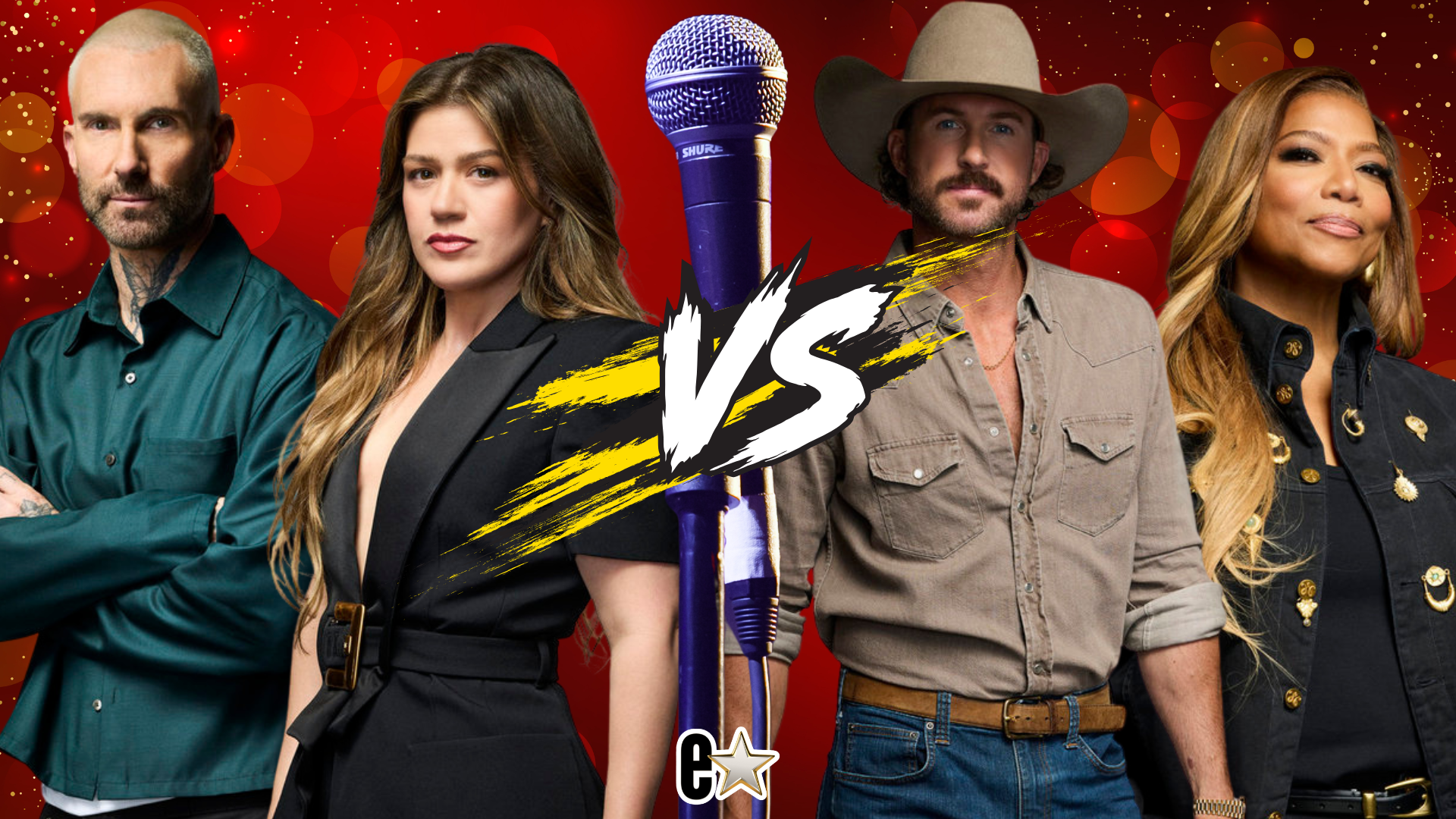
The coaches—Adam Levine, Kelly Clarkson, Queen Latifah, and Riley Green—are accompanied by celebrity advisors who guide their teams through the emotional rollercoaster: Ariana DeBose for Kelly, Patti LaBelle for Queen, Carly Pearce for Riley, and Alex Warren for Adam. These advisors bring fresh perspectives, but ultimately, the decision rests on the coaches’ gut, the judges’ instincts, and the performers’ ability to deliver under pressure. In this season, the Battles are being filmed in a format that traditionally lasts about thirty minutes, a brief window that demands immediacy and authenticity from the contestants.
---
Background & Context
The Battle round is a long‑standing pillar of The Voice franchise, designed to test not only vocal prowess but also adaptability and teamwork. Since the show’s debut in 2011, the concept has evolved: earlier seasons paired contestants from opposing teams, while the current format pits teammates against each other. This shift turns the competition into an intimate duel, where trust and rivalry collide in the same room. The introduction of a single steal per coach adds a strategic layer—if a contestant loses, there is still hope if another coach sees potential worth investing in.
The four coaches each bring distinct musical philosophies that influence the direction of their teams. Adam Levine, a pop icon, favors contemporary sounds and polished performances. Kelly Clarkson’s team often leans toward raw pop and powerful vocal runs. Queen Latifah, a soul‑savvy veteran, seeks depth and versatility, while Riley Green, a country star, looks for storytelling and authenticity. These varied tastes mean that the same song can become a battlefield of styles, turning each Battle into a microcosm of the music industry’s diverse currents.
The celebrity advisors, themselves seasoned artists, serve as the coaches’ right hands during rehearsals. Ariana DeBose’s theatrical flair, Patti LaBelle’s powerhouse experience, Carly Pearce’s country authenticity, and Alex Warren’s pop sensibility each shape the contestants’ performances in subtle, sometimes decisive ways. Their involvement underscores a broader industry trend: collaboration across generations and genres to elevate emerging talent.
---
What People Are Saying
Live reaction from fans on social media has been a mixed bag of praise, shock, and speculation. The sudden surge of hashtags, such as #TheVoiceBattles and #StealTheVoice, has flooded the platform, reflecting viewers’ anxiety over who might survive the brutal one‑on‑one format. Comments often juxtapose the intensity of the Battles with the broader cultural discourse sparked by Dan Levy’s outburst, as viewers ponder whether the entertainment world is truly paying heed to calls for solidarity.
Within the studio, the coaches' demeanor provides a window into the competition’s gravity. Adam Levine’s calm but sharp appraisal of his contestants’ vocal dynamics signals the level of scrutiny the performers endure. Kelly Clarkson, visibly protective, often praises the courage required to face a teammate, hinting at the emotional toll each Battle can take. Queen Latifah’s seasoned composure offers a sense of mentorship, while Riley Green’s focus on the authenticity of the narrative showcases how the show goes beyond mere performance.
In the back‑stage corridors, the contestants’ nervous energy is palpable. A few have posted brief, heartfelt clips—shaking hands with fellow competitors, rehearsing in dim rooms, or quietly studying each other's vocal styles. These snippets illustrate a common thread: each artist sees the battle as both a chance to advance and a test of humility. The anticipation of the steal adds an extra layer of tension—whether they will be sent home or rescued by a rival coach will shape their future on the show.
The public’s engagement is further amplified by the show’s use of social media challenges and live polling. Viewers are invited to vote for their favorite performances, and these metrics occasionally influence the coaches’ final decisions. The intersection of digital interaction and live television has become a staple of The Voice’s modern identity, ensuring that fans are more than passive observers; they are active participants in shaping the competition’s narrative.
---
What Happens Next
The immediate next step for the contestants is the decision of their respective coaches. After each Battle, a coach must choose between the two performers, a choice that will determine who remains on the team and who may either be eliminated or offered a steal. The coaches will consult with their advisors, weigh vocal strengths, stage presence, and the strategic value each contestant brings to the long‑term composition of the team.
Simultaneously, the remaining coaches will monitor the outcomes of other Battles. The single steal per coach forces a critical evaluation: is a losing contestant more valuable than any remaining player on their own team? This calculation could lead to dramatic last‑minute decisions, often revealed in real time during the episode. If a coach chooses not to use their steal, the losing contestant faces immediate elimination, adding a final layer of drama to the episode.
Beyond the studio, the network is gearing up to keep audiences engaged through behind‑the‑scenes footage, contestant interviews, and in‑depth analysis of the performances. The next few weeks will see the Battles give way to the Knockout rounds, where the stakes will rise further as teams are narrowed and individual styles are highlighted. Contestants who survive the Battles will have the opportunity to showcase their versatility in a format that pits them against all other contestants on their team.
The show’s producers are also planning to release additional content on streaming platforms, allowing fans to revisit pivotal moments, hear extended rehearsal footage, and gain insights into the coaches’ decision‑making processes. This multi‑platform approach ensures that even those who missed the live episode can catch up on the tension and drama that defined the Battles.
---
As The Voice Season 30 progresses, the echo of Dan Levy’s urgent call for solidarity reverberates in a different arena—where artists compete, coaches strategize, and viewers participate in real time. The Battle round’s fierce competitiveness mirrors the broader cultural push for accountability and mutual support. In a world where entertainment often becomes a battleground of its own, the studio’s quiet conversations and high‑stakes decisions remind us that every performance carries the weight of intention, responsibility, and hope for a better tomorrow.
The Bottom Line
MyWorldPulse.com sees The Voice’s Battle round as a prime example of how entertainment can serve as a platform for urgent societal messages. Dan Levy’s 1‑minute Instagram outburst forced the show’s coaches into a moment of moral reckoning: should they uphold their teams or demonstrate solidarity by using their single steal? In an era where audiences demand authenticity, the decision to highlight the steal as a tangible act of support aligns the competition with the very principles Levy championed. This isn’t merely a strategic twist—it’s a statement that talent shows can influence discourse, not just mirror it. The Voice’s choice to integrate audience polls and real‑time sentiment shows a keen understanding of participatory culture. By turning the studio into a civic forum, the show invites viewers to become co‑creators of narrative. As entertainment continues to blur the lines between spectacle and activism, MyWorldPulse.com applauds The Voice’s bold integration of social commentary, reminding creators that the most compelling stories are those that challenge both performers and audiences to step up.
Reference:
- Dan Levy's verified Instagram post
- The Voice Season 30 Instagram announcement
Read more celebrity news at MyWorldPulse.