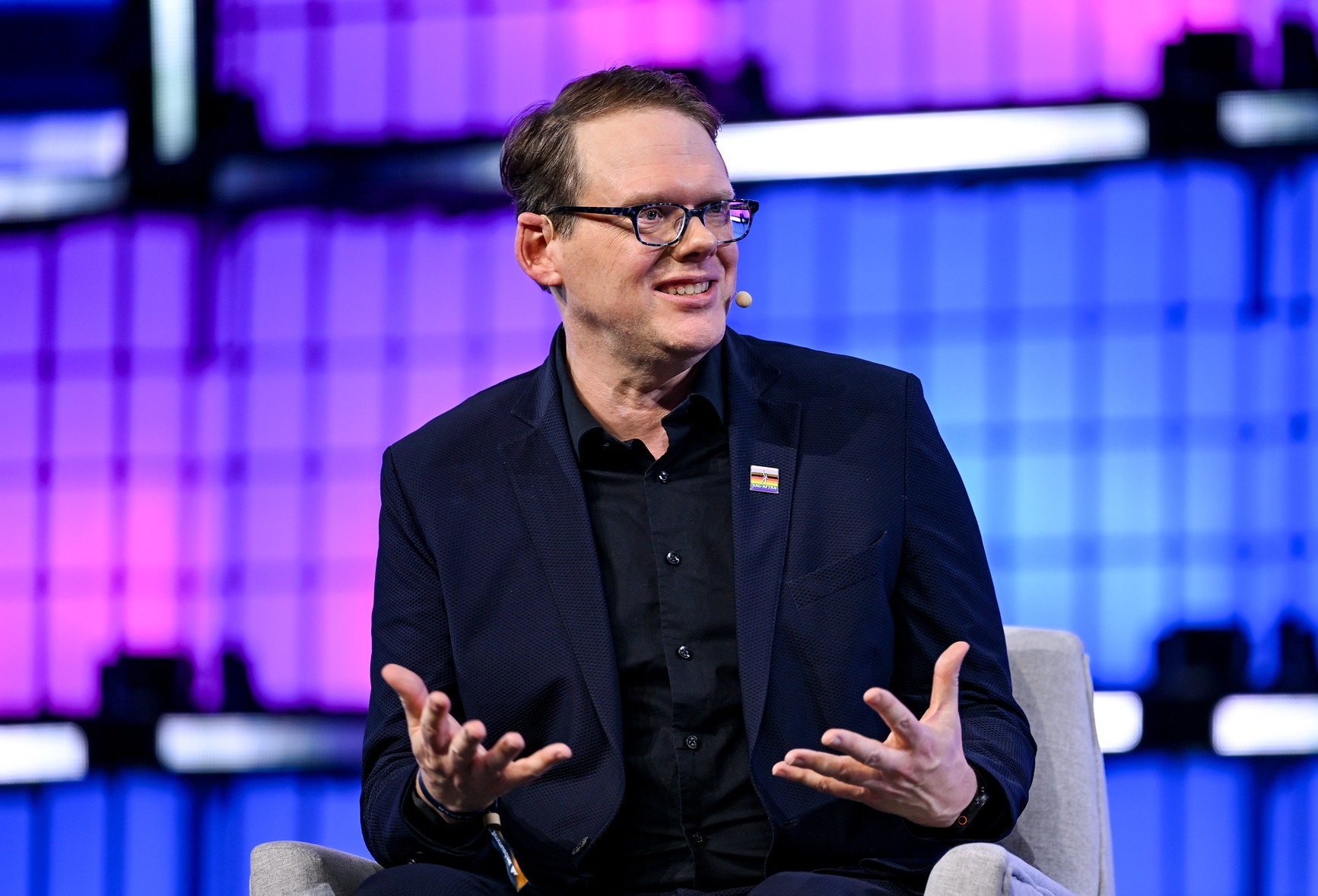
Duncan Crabtree‑Ireland said 90‑plus percent of actors demand takedowns. A voice from the front lines of Hollywood, he spoke at Lisbon’s Web Summit, putting a stark figure in front of the global stage: actors are far more concerned with the removal of digital impersonations than with the monetary claims that follow. In a brief but striking address, he made clear that the urgency of safeguarding a performer’s image now outpaces the fight for damages.
The comments came from Duncan Crabtree‑Ireland, the chief executive of SAG‑AFTRA, the union that represents more than 160,000 actors, writers, and other creatives. As the industry faces an uptick in AI‑generated content that can splice a star’s face onto a stranger’s body, the union’s leadership is forced to pivot. Crabtree‑Ireland’s statement signals a shift in priorities, emphasizing immediate content removal over the lengthy legal avenues traditionally pursued.
While the union’s stance is a direct response to the rising prevalence of deepfakes, it also reflects a broader trend of performers grappling with the erosion of control over their likenesses. For many actors, the damage to reputation can be swift and irreversible, even if the legal remedies lag behind. Crabtree‑Ireland’s declaration points to a collective desire for proactive safeguards, rather than reactive compensation.
---
Background & Context
SAG‑AFTRA’s focus on deepfakes has deep roots in the industry’s historical struggles with intellectual property and image rights. Since the 1990s, the union has negotiated protections for actors’ likenesses, ensuring that any use of a performer’s face, voice, or mannerisms requires clear consent and proper remuneration. In recent years, however, advances in machine learning have made it possible for anyone with a computer to create convincing digital impersonations, bypassing traditional licensing frameworks.
The Web Summit address comes on the heels of several high-profile incidents where actors’ images were used in advertisements and media without permission. One notable case involved a well‑known comedian whose face was animated to endorse a commercial, sparking a swift online backlash. While legal actions were initiated, the damage to the performer’s brand was already done. These events have prompted unions, advocacy groups, and technology companies to reevaluate the existing legal structures and explore faster takedown mechanisms.
In a parallel cultural thread, writer‑director Dylan Stephen Levers made waves with his debut feature, Pop Pop. Premiering at the Tallinn Film Festival, the film offers a raw, cinematic parable that dives into radicalization and male fragility in the digital age. Levers, a former indie filmmaker, crafted the narrative by weaving scenes shot at alt‑right marches with an array of memes and an unmistakable indie aesthetic. The result is a stark meditation on how men can be drawn into extremist circles, and how digital platforms can both enable and expose this radicalization.
Levers’ film arrives at a moment when the entertainment industry is increasingly aware of how rapidly content can go viral, sometimes with harmful implications. Pop Pop not only critiques the political climate but also echoes the concerns about digital misuse that have dominated the conversation at Web Summit. The film’s timing underscores how creative output and industry policy can intersect, reflecting shared anxieties about the future of online representation.
---
What People Are Saying
During his address, Crabtree‑Ireland refrained from naming specific cases, instead offering a sweeping overview: “I would say the vast majority, 90‑plus percent of the time, that’s what it’s about,” he told the crowd, emphasizing the predominance of takedown requests over damage claims. His words struck a chord with performers who have experienced the quick spread of unauthorized content across social media platforms. Industry insiders noted that his statement signals a strategic pivot toward collaborative takedown protocols with major tech firms, hoping to curb the spread before it harms a performer’s brand.
Levers, in interviews following Pop Pop’s premiere, described the film as “more topical every day.” He cited the increasing radicalization he had observed in fringe communities and how memes have become a tool for both mobilization and, sometimes, deconstruction. The film’s blend of real footage from marches and fictional narrative has prompted discussion among festival audiences and critics alike. Some praise the boldness of shooting at alt‑right rallies, arguing that the juxtaposition forces viewers to confront uncomfortable realities. Others caution that the film’s raw depiction could inadvertently lend visibility to extremist ideologies.
The union’s focus on takedowns has also sparked debate among performers who believe that compensation is still a vital tool. Some argue that while removal is essential, the legal and financial recourse ensures that rights holders are fairly remunerated for their likenesses. Meanwhile, a growing number of actors are voicing support for a dual approach: immediate removal coupled with a robust damages framework that can be activated if the union’s proactive measures fail.
Industry analysts note that the intersection of Crabtree‑Ireland’s union strategy and Levers’ artistic exploration highlights a broader cultural reckoning. Both reflect a society grappling with how digital manipulation—whether through AI or online discourse—can influence identity, reputation, and politics. The conversations sparked by these two figures are likely to shape policy, creative practice, and public awareness in the months ahead.
---
What Happens Next
SAG‑AFTRA has announced plans to collaborate with leading tech companies to develop a streamlined takedown system that can be activated quickly when a performer’s likeness is used without authorization. The union is working on a set of guidelines that would outline the criteria for removal, the documentation required, and the timeline for action. The proposed framework will also include educational outreach to performers, teaching them how to recognize potential misuse and report it promptly.
Meanwhile, Pop Pop is set to make its domestic run in limited theaters before rolling out to streaming platforms. Distributors are eyeing a partnership that could allow the film to reach a broader audience, potentially sparking conversations about radicalization and the role of memes in shaping public perception. The film’s distributor is also exploring interactive components that would let viewers engage with the content in a more immersive way, possibly echoing the union’s push for rapid response to digital content.
On the legal front, SAG‑AFTRA is preparing to lobby for updated legislation that would strengthen actors’ rights in the digital era. The union’s leadership, including Crabtree‑Ireland, has scheduled meetings with lawmakers to discuss potential bills that would codify takedown procedures and ensure timely compensation for misuse. The proposed legislation would aim to close loopholes that currently allow AI-generated content to skirt existing intellectual property laws.
In the weeks to come, the entertainment community will watch closely as the union’s new takedown strategy unfolds and as Pop Pop expands its reach. Both developments underscore a shift toward proactive protection of personal image and a critical examination of how digital platforms can both enable and challenge extremist narratives. The dialogue between policy, creative expression, and public perception will shape the next chapter of how we navigate the intersection of technology and identity.
---
The Bottom Line
MyWorldPulse believes that the move toward instant takedowns is not just a tactical adjustment—it’s a necessary evolution of the industry’s ethical framework. In a world where a single algorithmic error can launch a damaging deepfake, the traditional model of waiting for a lawsuit is simply too slow to protect the careers of actors and the integrity of the arts. By partnering with tech giants, SAG‑AFTRA is forging a proactive front line, turning the tide against unauthorized use before it takes root. Yet the union’s strategy must not abandon the pursuit of fair compensation; a dual approach that couples rapid removal with a robust damages system will ensure both immediate protection and long‑term justice. Meanwhile, filmmakers like Dylan Stephen Levers remind us that the creative sector can—and should—confront these challenges head‑on, using narrative to expose and critique the very systems that enable exploitation. As consumers, we must hold both creators and corporations accountable, demanding transparency and accountability from the platforms that shape our digital experience. MyWorldPulse sees this intersection of policy and art as a crucial moment: one where collective action and cultural reflection can redefine how we safeguard identity in the digital age. — MyWorldPulse
Reference:
- Official LinkedIn post by Duncan Crabtree‑Ireland
Read more celebrity news at MyWorldPulse.