The echo of a fist landing on a fellow actor’s chest reverberated far beyond the set of a 1992 courtroom drama, reminding Hollywood of its fragile human side and sparking fresh conversations about on‑set safety and the relentless pursuit of authenticity. When Tom Cruise, then a rising star, struck Jack Nicholson during a tense scene for A Few Good Men, the incident became a flashpoint that resonated through the industry’s long‑standing culture of camaraderie and competitiveness. While the episode was never formally investigated, the footage that surfaced later has since fueled discussions on how the pressure to deliver powerful performances can blur professional boundaries.
Shortly afterward, a different kind of pain echoed on the same set, this time from a younger generation. Ray Nicholson, the son of the legendary Jack, was recovering from a serious knee injury that required surgery just hours after a key rehearsal for the upcoming film The Mosquito Bowl. His decision to return to work the following day, despite a limp and a full operation, highlighted a generation’s dedication to the craft and the evolving expectations placed on actors in high‑stakes productions. Together, these two narratives illuminate the complex tapestry of risk, resilience, and the relentless drive that define contemporary filmmaking.
Background & Context
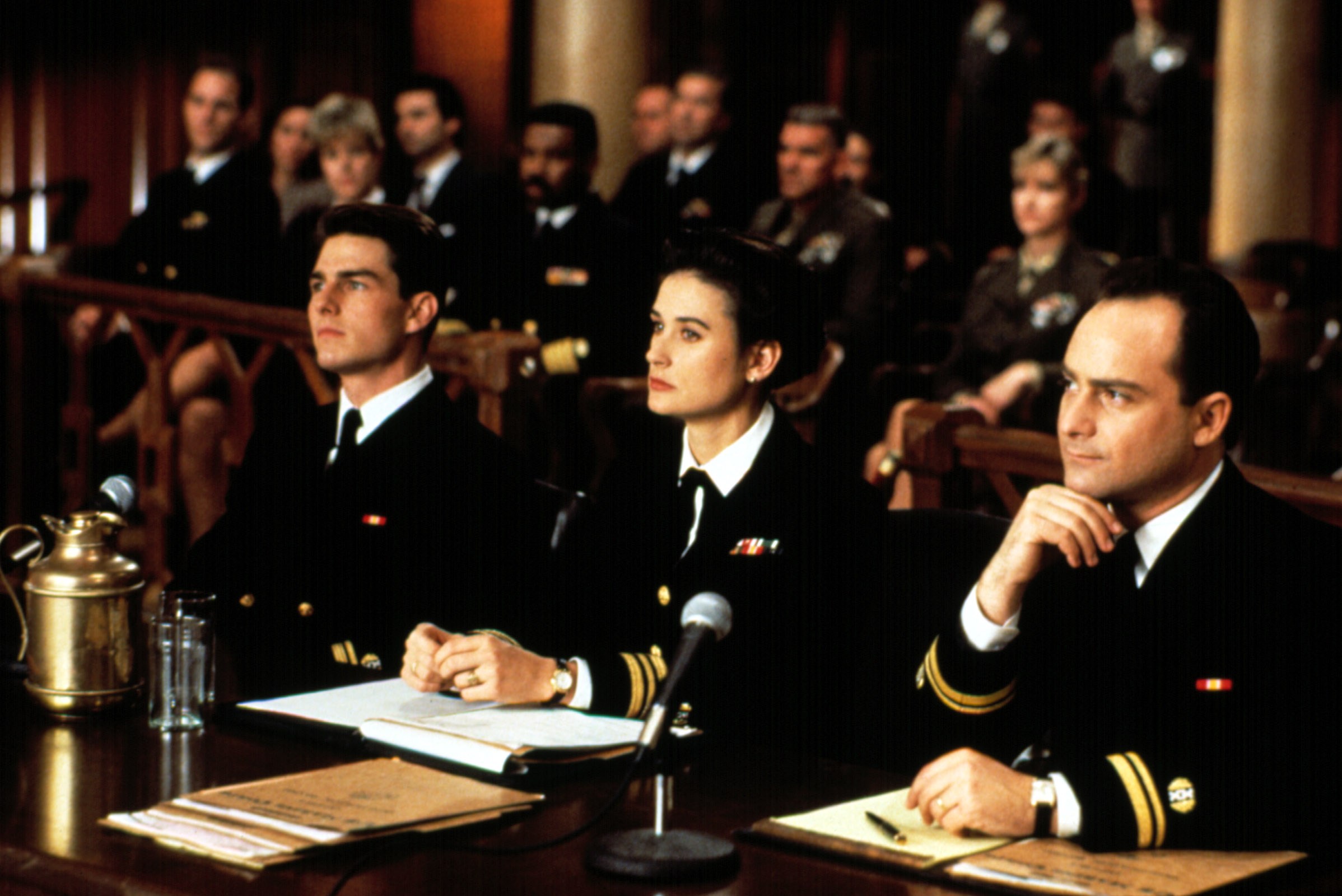
A Few Good Men—directed by Rob Reiner and released in 1992—boasted an ensemble that included a young Tom Cruise and veteran Jack Nicholson. The film’s climactic courtroom sequence required a palpable tension between the two men, with the script demanding intense, believable confrontations. Reports from the set suggest that the actors rehearsed the moment several times, each iteration raising the stakes for authenticity. During one such take, a moment of frustration led Cruise to punch Nicholson, a gesture that was captured by a production camera and later shared by both parties. The incident was not a scripted stunt; it was an unscripted act born from the heat of performance.
Across the industry, the culture surrounding on‑set safety had historically been informal. While safety protocols existed for stunts and hazardous scenes, physical altercations between cast members were rarely documented or addressed formally. The Punch incident exposed a gap in the industry’s approach to protecting actors beyond the confines of stunt coordination. It also raised questions about how directors and producers manage on‑set tension, especially when the line between performance and real emotion can blur.
Meanwhile, Ray Nicholson’s journey was unfolding on a different set. In 2026, the young actor was filming The Mosquito Bowl, a period drama about college football players who enlist in the Marines during the Vietnam era. The film, directed by Peter Berg, features a cast that includes Nicholas Galitzine, Bill Skarsgård, and Tom Francis. The production demanded rigorous physical preparation, with actors training alongside professional athletes and real Marines. Ray, who has already carved a niche with roles in Smile 2 and Novocaine, faced a severe knee injury during a critical shoot day. A sudden numbness and a visible crater on his knee prompted immediate surgical intervention—an operation that included cleaning out damaged tissue and ensuring he could resume filming promptly.
What People Are Saying
The industry’s reaction to the Cruise–Nicholson confrontation has been measured but far from silent. Many veteran actors recalled how on‑set camaraderie often veers into a fine line between camaraderie and confrontation. Some expressed concern that the lack of formal protocols could leave actors vulnerable, while others highlighted the spontaneous nature of the incident and the unspoken understanding that the act was part of the drama’s intensity. Within the director’s circle, Rob Reiner has been cited as someone who would likely have intervened had he been present, underscoring the importance of leadership in managing on‑set dynamics.
Ray Nicholson’s decision to return to filming after surgery sparked admiration across the younger generation of actors and fans alike. By describing his experience in interviews, Ray conveyed the weight of responsibility he felt, citing that missing a key scene could jeopardize the entire narrative. His comments—"We’re actors. It’s not war. The least we can do is show up for our job and not complain"—reflected a professional ethos that prioritizes the story above personal comfort. This sentiment resonates with contemporary expectations that actors should be resilient, especially when their roles demand physical authenticity. Fans of Ray expressed a mix of support and concern, with social media conversations ranging from praise for his dedication to calls for better medical support on set.
Industry insiders also noted the broader conversation about the physical demands of acting, especially in action or period pieces. The production of The Mosquito Bowl required actors to undergo rigorous training, mirroring the real experiences of the film’s characters. This approach has become more common, as filmmakers strive for verisimilitude, but it also intensifies the risk of injury. The incident with Ray Nicholson has prompted several production companies to re‑evaluate their health and safety protocols, ensuring that actors receive timely medical care and have clear pathways for recovery without compromising the shooting schedule.
What Happens Next
In the aftermath of the punch, there has been a slow but noticeable shift toward formalizing on‑set safety guidelines. Several studios have begun to mandate clearer definitions of acceptable behavior during rehearsals, with safety officers now routinely present during high‑tension scenes. While the incident itself was not followed by legal action, the conversation it sparked has pushed studios to develop written agreements that outline boundaries and dispute resolution mechanisms. Directors are now more inclined to discuss potential emotional triggers before filming, aiming to preemptively address situations that could lead to physical altercations.
For Ray Nicholson, the surgical procedure and swift return to filming set a new precedent for actor health management. Post‑operatively, he has been involved in a broader discussion with his production team regarding mandatory rest periods and the allocation of medical resources on set. The production of The Mosquito Bowl has announced a partnership with a sports medicine specialist to oversee the well‑being of the cast throughout the shoot. This partnership will provide actors with routine check‑ups and immediate access to care should injuries arise.
In terms of career trajectory, Ray’s experience is expected to resonate with casting directors who value resilience and a strong work ethic. His ability to navigate injury while maintaining the integrity of the film may position him for more demanding roles, potentially opening doors to projects that require rigorous physical preparation. Meanwhile, the incident involving Tom Cruise serves as a cautionary tale that may influence future casting decisions, particularly when a director’s vision includes intense interpersonal scenes. The film industry is likely to continue adapting its practices, balancing the desire for authentic storytelling with the imperative to safeguard its talent.
The industry’s response to both incidents underscores a growing recognition that performance art is not a detached craft but an arena where physical and emotional boundaries intersect. As Hollywood evolves, the lessons from these events will inform new standards that prioritize safety without stifling artistic expression.
The conversation, born from a punch on a 1992 set and a knee that needed surgery in 2026, reminds us that every frame carries the weight of human experience—and that the stories we tell depend on the people who bring them to life.
The Bottom Line
At MyWorldPulse.com we believe that the artistry of film should never eclipse the safety of its makers. The Tom Cruise–Jack Nicholson incident was a wake‑up call that Hollywood’s informal safety culture was unsustainable. The fact that it took a physical altercation—and decades to notice—speaks to a systemic oversight. The subsequent rise in formal safety protocols is encouraging, yet the rapid return of Ray Nicholson after knee surgery reveals that the industry still lags in protecting actors’ health. A production’s commitment to authenticity must be matched by a concrete commitment to care. If studios cannot ensure that performers can recover without jeopardizing schedules, they risk not only physical harm but also the erosion of trust. The industry must adopt robust, enforceable standards—clear communication, medical oversight, and restorative pathways—to safeguard the people who bring stories to life. Only then can Hollywood continue to deliver compelling narratives without compromising the well‑being of its talent.
—MyWorldPulse.com
Reference:
- Official post by Ray Nicholson on Instagram
- Official post by Tom Cruise on Twitter
Read more celebrity news at MyWorldPulse.