Victoria’s Secret’s 2026 fashion show marked a pivotal moment for the brand, reintroducing the dazzling $50 million Fantasy Bra while spotlighting fresh performers and sparking conversation over the absence of long‑time Angels. The event, held on Sunday, October 18 in Culver City, California, unfolded against a backdrop of glitter, high‑energy music, and a roster that blended established faces with new talent. Its impact rippled beyond the runway, prompting industry analysts to rethink the brand’s legacy strategy and the broader conversation about celebrity influence in fashion.
The spectacle began with a triumphant return for Kylie Jenner, who stepped onto the catwalk wearing the meticulously crafted Fantasy Bra—a piece that weighs four pounds, houses 4,410 natural diamonds, and commands a price of $50 million. In tandem, new‑mom Barbara Palvin showcased resilience, striding the runway only six weeks after giving birth. Megan Thee Stallion and country star Megan Moroney amplified the show’s sonic dimension with electrifying performances that echoed the brand’s “fandomonium” theme, a concept meant to heighten the collective experience of viewers worldwide. While the lineup dazzled, the absence of former Angels Romee Strijd, Taylor Hill, and Lais Ribeiro ignited a wave of online debate, reflecting shifting priorities and a possible new direction for Victoria’s Secret.
Beyond the runway, the event’s legacy extends to the brand’s broader product line, including a collection of cult‑favorite lip balms that have become staples for many consumers, with several options available for under $5. This synergy between high‑fashion spectacle and everyday beauty offerings underscores the company’s strategy of blending luxury moments with accessible products. The 2026 show, therefore, serves as both a statement of intent and a test of the brand’s evolving market positioning.
Background & Context
Victoria’s Secret has long been synonymous with an iconic runway show that showcases the allure of its Angel ambassadors. In the past decade, figures such as Romee Strijd became emblematic of the brand’s aesthetic, their vlogs and public appearances amplifying the show's reach. The 2026 show, however, signals a deliberate shift: it reintroduced the extravagant Fantasy Bra—a centerpiece first launched in 2015 and revived in 2024—after a brief hiatus, demonstrating the brand’s continued commitment to opulent spectacle. The Bra’s design, featuring 4,410 natural diamonds and a 75.54‑carat Fancy Vivid yellow diamond, was created by JACOB & CO., marking the first time a luxury jewelry house partnered with Victoria’s Secret for such a high‑profile piece.
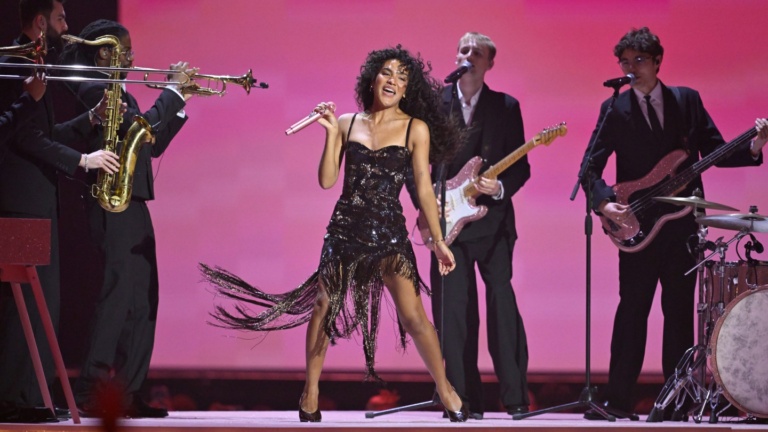
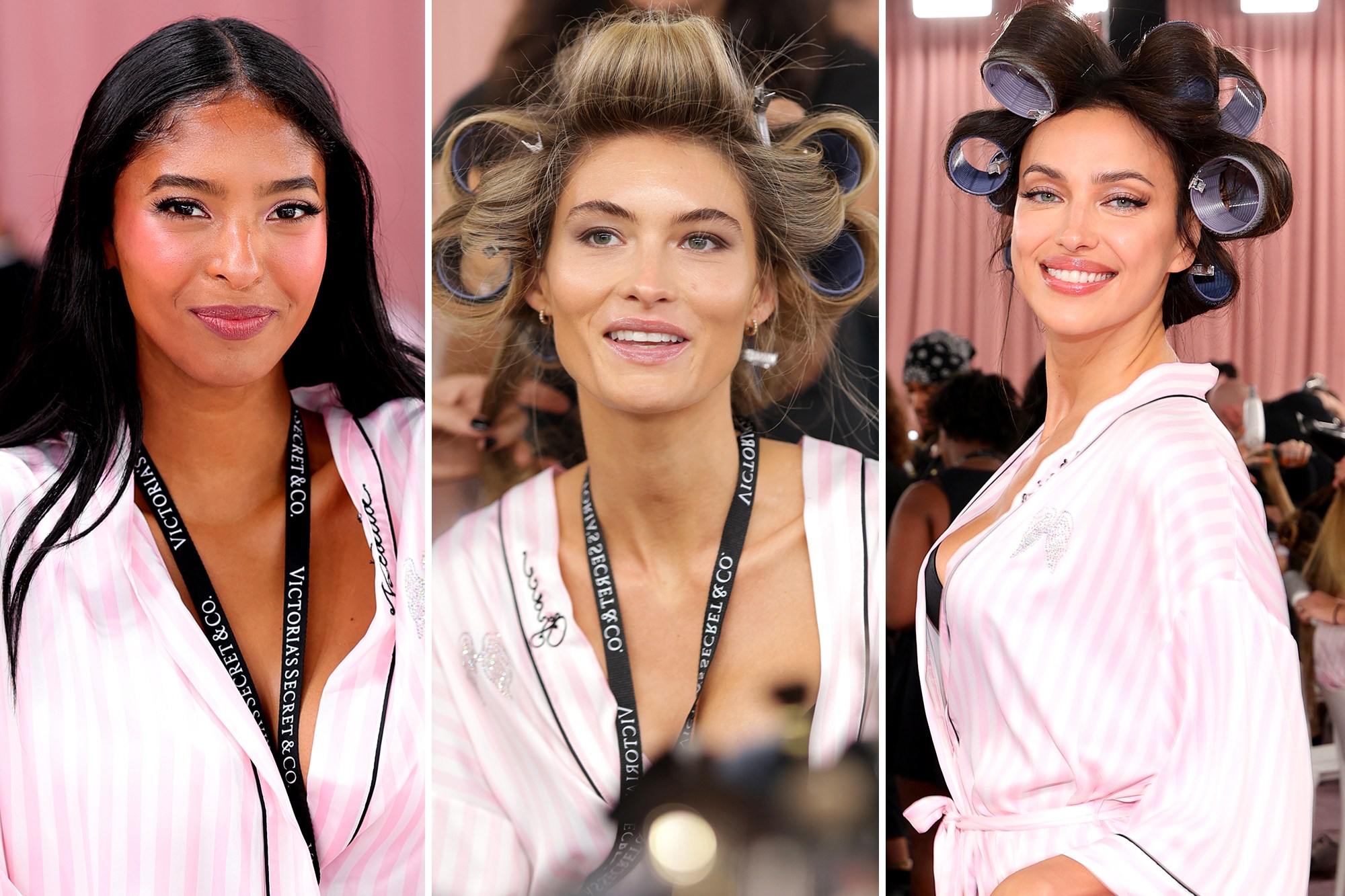
The show’s ensemble of models also highlighted the brand’s attempt to bridge legacy and innovation. Veterans like Alessandra Ambrosio and newcomers such as He Cong and Grace Elizabeth share the catwalk, creating a diverse visual narrative. Simultaneously, the inclusion of performers Megan Thee Stallion and Megan Moroney—both of whom brought their distinct musical styles to the runway—underscored a strategy to broaden audience appeal through cross‑genre collaboration. Meanwhile, the brand’s decision to spotlight the cult‑favorite lip balm line, offering several items for under $5, suggests a marketing approach that pairs high‑fashion moments with everyday consumer products.
This blend of opulence, music, and accessible beauty marks a turning point for Victoria’s Secret. Historically reliant on a steady lineup of Angels, the brand now appears to pivot toward a more inclusive, multimedia presentation that blends celebrity performances, product showcases, and a re‑emphasis on its most extravagant accessories.
What People Are Saying
The 2026 show provoked a spectrum of reactions online. Fans and industry observers praised the return of the $50 million Fantasy Bra, celebrating the craftsmanship and the brand’s continued willingness to invest in large‑scale spectacles. Many viewers highlighted Kylie Jenner’s performance as a highlight, noting how the combination of the bra’s sheer grandeur and her confident runway presence captivated audiences. In contrast, the absence of iconic Angels Romee Strijd, Taylor Hill, and Lais Ribeiro left a noticeable void for some loyal fans. Strijd’s own TikTok videos, in which she revealed her exclusion after a summer of training, resonated with a younger audience, sparking a surge of commentary that emphasized a perceived shift away from the 2010s aesthetic.
Within the broader conversation, there was a sense that the brand’s current strategy may be redefining what it means to be an Angel. The inclusion of performers like Megan Thee Stallion, who delivered both fashion and music, suggested a broader definition of star power. Viewers on social platforms noted the performance’s energetic choreography and noted that the show had become a cross‑platform event, blending runway with music videos and behind‑the‑scenes glimpses. The enthusiastic engagement around Megan Moroney’s “Cloud 9” set, complete with fuzzy pink wings and a studded corset, further highlighted the brand’s willingness to experiment with new styles and audiences.
Critics also pointed to the brand’s strategic alignment with luxury jewelry houses, noting how the partnership with JACOB & CO. signals a move to elevate the Fantasy Bra beyond a marketing gimmick into a collectible piece. The conversation was not limited to spectacle; many online voices expressed interest in the brand’s everyday product line, praising the cult‑favorite lip balms for being both affordable and high quality. This dual focus on high‑end runway moments and accessible product offerings has sparked debate about Victoria’s Secret’s identity and future direction.
What Happens Next
Looking ahead, Victoria’s Secret appears poised to expand on the elements that resonated during the 2026 show. The brand’s upcoming calendar may feature a series of special events that integrate live performances with runway presentations, aiming to attract a broader demographic. The partnership with JACOB & CO. could extend beyond a single Fantasy Bra, potentially leading to a line of collaborative jewelry pieces that marry fashion and luxury. In the product sphere, the continued promotion of the lip balm collection—particularly items priced under $5—suggests an effort to maintain a steady connection with everyday consumers while leveraging the hype generated by the runway.
Meanwhile, the absence of certain Angels may prompt the brand to reconsider its roster. New models such as He Cong and Grace Elizabeth have already begun to occupy the spotlight, and their presence indicates a deliberate shift toward diversity and global representation. Industry insiders anticipate that Victoria’s Secret might launch a program to cultivate new talent, possibly through digital platforms that allow aspiring models to showcase their skills to a wider audience. The brand’s social media strategy could also evolve to feature more behind‑the‑scenes content, giving fans deeper insight into the creative process and further building loyalty.
Finally, the next major event—potentially the 2027 fashion show—may integrate the insights gleaned from 2026. Whether the brand will continue to lean on a high‑budget Fantasy Bra, broaden its musical collaborations, or reintegrate the classic Angels remains to be seen. What is clear, however, is that Victoria’s Secret’s recent show has sparked a dialogue that will influence its direction for years to come.
In the end, the 2026 Victoria’s Secret fashion show served as both a dazzling display and a catalyst for change, reminding industry observers that even a brand steeped in tradition can reinvent itself to resonate with a new generation.
The Bottom Line
From our perspective, Victoria’s Secret’s 2026 spectacle isn’t just a fashion show; it’s a manifesto for what legacy brands must do in a hyper‑connected age. By re‑introducing the $50 million Fantasy Bra, the house sent a clear signal: luxury still demands shock value. Yet, pairing that extravagance with a new‑mom icon and genre‑blending performers shows a daring willingness to diversify the narrative beyond the glossy Angel persona. The absence of Romee Strijd, Taylor Hill, and Lais Ribeiro is less a snub than a strategic recalibration—freeing the brand to experiment with a wider, more inclusive roster and to leverage cross‑media formats. For consumers, the blend of high‑end spectacle and everyday products like the under‑$5 lip balms offers a more accessible entry point into the brand’s ecosystem. For industry watchers, this hybrid approach demonstrates a viable path: keep the headline‑making moments that capture headlines, but anchor them in authenticity, diversity, and multi‑channel engagement. If Victoria’s Secret can sustain this balance, it will set a new standard for how iconic labels evolve without losing the wow factor that keeps headlines humming.
Reference:
- Kylie Jenner Instagram Post
- Barbara Palvin Instagram Post
Read more celebrity news at MyWorldPulse.